Snowmobiling demands boots that stay warm, dry, and secure across varying trails and weather. This guide highlights five top women’s winter boots that balance insulation, waterproofing, and fit. Each pick comes from trusted brands and includes practical features like water protection, snug lacing systems, and durable outsoles designed for snow and ice.
| Product | Brand | Key Features |
|---|---|---|
| KLIM Aurora GTX BOA Winter Snowmobile Boots (8) | KLIM | GORE-TEX, 800G Thinsulate, BOA fit system |
| KLIM Aurora GTX BOA Winter Snowmobile Boots (9) | KLIM | GORE-TEX, 800G Thinsulate, BOA fit system |
| Castle X Force 2 Boot (Gray – 8) | Castle X | Layered construction, speed lace, padded collar |
| Castle X Barrier 2 Boot (White – 9) | Castle X | Layered construction, Quick Connect buckle, molded toe |
| Kamik Greenbay 4 Waterproof Boot (Black – 8) | Kamik | Waterproof shell, removable insulated liner, adjustable fit |
Below are detailed profiles for five boots chosen for warm feet, reliable grip, and lasting comfort on long days on the trail. Each section includes an image and a direct link to the product page for quick reference.
KLIM Aurora GTX BOA Winter Boot (8)

The KLIM Aurora GTX BOA boots are designed for serious winter conditions, blending high-performance waterproofing with a precise BOA fit system. GORE-TEX protects insulation from the elements while 800G of 3M Thinsulate delivers warmth without bulk. The BOA system ensures a fast, secure fit that stays consistent in cold weather, helping maintain control and comfort on long rides.
KLIM Aurora GTX BOA Winter Boot (9)

The women’s size 9 version mirrors the size 8 in protection and performance. GORE-TEX keeps feet dry in wet snow, while the 800G Thinsulate insulation resists cold conducted through the sole. The BOA fit system provides a snug, adjustable wrap that supports ankle stability during aggressive maneuvers or uneven terrain.
Castle X Force 2 Boot (Gray – 8)

Castle X Force 2 integrates a unique layered construction for a comfortable fit. It includes a molded high-abrasion toe for durability and a Castle Speed Lace system with an articulated padded collar. Size guidance suggests ordering the actual shoe size, with consideration for half sizes to achieve the proper fit, making it a practical choice for riders who value precise sizing.
Castle X Barrier 2 Boot (White – 9)

Castle X Barrier 2 shares the same layered construction approach with a molded high-abrasion toe for protection in rugged environments. It features a Quick Connect buckle system for fast adjustments on the fly and a supportive, articulated padded collar designed to reduce fatigue during long days on the trail. As with other Castle X boots, it emphasizes fit accuracy—order your actual size or adjust with careful sizing decisions.
Kamik Greenbay 4 Waterproof Boot (Black – 8)
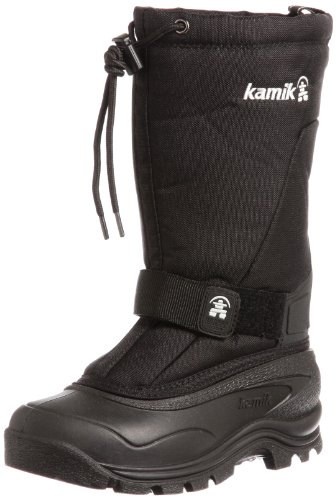
Kamik’s Greenbay 4 is built for wet and cold conditions, featuring a rugged synthetic shell and a waterproof seal to keep snow and slush out. A removable 8 mm thermal liner provides warmth in extreme cold, while an adjustable bungee lace and strap system offers a secure, customized fit. The boot prioritizes practical performance with a focus on durability and ease of use in variable winter conditions.
Buying Guide
Key purchase considerations help buyers choose the best boot for their riding style, climate, and foot shape. The following perspectives cover waterproofing, insulation, fit, and grip to support a well-informed decision.
- Waterproofing and weather resistance: Look for boots with GORE-TEX or equivalent waterproof membranes, sealed seams, and durable shells to keep feet dry in slushy or snowy conditions.
- Insulation level and warmth: Insulation ratings like 800G Thinsulate provide warmth without excessive bulk. Consider climate and average winter temperatures when choosing insulation density.
- Fit and adjustability: BOA systems, lacing, and bungee straps influence a secure, comfortable fit. Consider half sizes and user feedback on toe box room and midfoot support.
- Protection and durability: Reinforced toes, abrasion-resistant uppers, and protective toe caps help withstand impact and off-trail terrain.
- Traction and outsole design: Deep lugs, rubber compounds, and lug pattern contribute to grip on ice and packed snow; test on varied surfaces if possible.
- Warmth vs. mobility: Heavier insulation adds warmth but may reduce flexibility. Balance warmth with the need for precise control during acceleration and braking.
- Value and warranty: Higher-end boots may offer longer warranties and better responsiveness to cold weather use. Consider brand reputation and customer support access.
When choosing, assess your typical riding conditions, such as temperature range, terrain roughness, and whether you ride in slushy snow or dry powder. For frequent cold-weather trips, prioritizing waterproofing, insulation, and secure fit pays off in comfort and performance. If you ride in variable conditions, a boot with easy adjustability and strong traction is ideal. Lastly, ensure your boot size aligns with your normal street shoe size, consulting the brand’s sizing guidance for the best fit.