Wide feet require weightlifting footwear that balances a broad fit with a stable base. The right pair can improve balance, foot alignment, and power transfer during squats, deadlifts, and Olympic lifts. Below is a curated guide focused on wide-foot friendly options, drawing from models designed for stability, a roomy toe box, and supportive builds. Each pick is evaluated for fit, materials, grip, and overall practicality for diverse lifters in the American gym scene.
| Product | Brand | Key Fit/Feature |
|---|---|---|
| MANUEKLEAR Strong Anti-Slip Deadlift Lifting Shoes | MANUEKLEAR | Wider chassis feel, reinforced stability, breathable interior |
| CASTIRON LIFT Weightlifting Shoes | CASTIRON LIFT | Wide toe box, non-slip sole, elevated heel |
| Osterland Weightlifting Shoes | Osterland | 1.3-inch heel, double-strap design, slip resistance |
| Nordic Lifting MEGIN Deadlift Shoes | Nordic Lifting | Elevated heel for depth, solid traction |
| WHITIN Men’s Extra Wide Width Barefoot Sneakers | WHITIN | Extra wide toe box, zero drop, natural foot splay |
MANUEKLEAR Strong Anti-Slip Deadlift Shoes

The MANUEKLEARStrong Anti-Slip Deadlift Lifting Shoes prioritize stability for heavy lifts. Built with a combination of TPU, rubber, and Oxford cloth, these shoes emphasize durability and moisture resistance. The design couples laces with magic tape straps to lock the foot in place, a feature that reduces mid-workout movement. The interior lining is thick yet breathable, helping manage sweat for longer sessions. This model aims to deliver a secure fit that lifters can feel during squats and deadlifts, especially when lifting near maximal loads.
Key features include a reinforced chassis and a widened, heightened heel for increased ground contact and balance. The heel geometry supports a more rigid posture, potentially improving form under heavy loads. The outsole is designed to reduce slippage, contributing to steadier pulls and precise steps in the rack. Users seeking a more eco-conscious build will appreciate the sustainable materials involved. The overall package targets lifters who want stability without sacrificing comfort during extended training blocks.
Fit considerations emphasize a snug but forgiving midfoot and a secure lockdown with both laces and strap adjustments. As with most weightlifting builds, true width preference varies by foot shape, but the broad design helps accommodate a range of widths. Lifters should consider sizing up slightly if they are in between sizes and plan to wear thicker socks for extra cushioning. This model is appropriate for those prioritizing stability in squats and deadlifts over ultra-lightweight comfort for cardio sessions.
CASTIRON LIFT Weightlifting Shoes
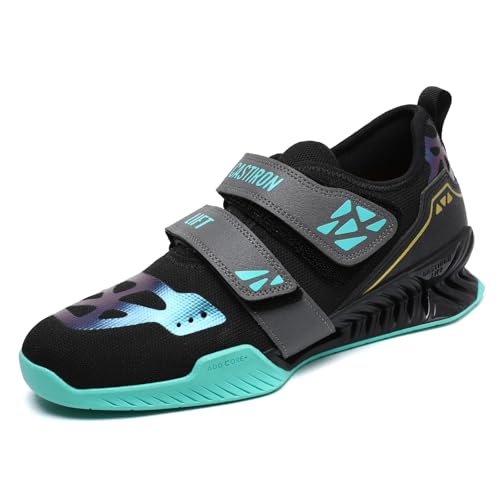
CASTIRON LIFT Weightlifting Shoes emphasize safety and durability with a durable rubber outsole and a secure, slip-resistant grip. The design features a double nylon velcro-tape closure for quick, reliable lockdown, making it easy to tighten during sets and loosen afterward. An elevated 1.2-inch heel paired with a front and rear bump sole design supports stable posture and good ankle alignment during heavy lifts. The upper uses premium microfiber and fabric, ensuring breathability and long-lasting wear.
The shoe’s wide toe area aims to accommodate broader feet while maintaining a compact overall silhouette. This allows lifters with wider forefeet to spread their toes naturally, which can improve balance and lift mechanics. The combination of a robust sole, secure closure, and breathable upper makes CASTIRON LIFT a practical option for wide-foot lifters who perform squats, deadlifts, and powerlifting movements on a regular basis.
Consider sizing carefully: the double-strap setup provides adjustability, but the overall fit can vary by width, so trying on or checking return policies is advisable. The shoe prioritizes stability over featherweight speed, positioning itself as a reliable training partner for heavy lifting days when ankle and foot stability are paramount.
Osterland Weightlifting Shoes

OSTERLAND Weightlifting Shoes are designed for heavy lifting with a focus on slip resistance and stable posture. They feature a 1.3-inch high heel and a raised front-to-back sole design to encourage solid lifting mechanics. The shoe uses a dual-strap system (double-layer nylon Velcro) to secure the foot firmly, promoting stability during squats and deadlifts. The upper materials combine durability with breathability, helping feet stay comfortable during long workouts.
For lifters with wider feet, the overall footprint and toe box play a critical role in comfort and performance. The raised heel geometry supports deeper squats and better knee alignment, while the secure closure system helps minimize foot movement inside the shoe. This model aims to provide a balance between support, security, and practicality for daily lifting sessions, with focus on safety and consistent performance across lifts.
Nordic Lifting MEGIN Deadlift Shoes

Nordic Lifting MEGIN Deadlift Shoes offer a stability-forward design for serious lifters. They feature an elevated 1.4-inch heel to optimize squat depth and posture, with durable non-slip soles designed to grip gym surfaces under heavy loads. The base is engineered to be solid and dependable, helping lifters anchor their stance during Olympic lifts, squats, and powerlifting movements. Traction is a key emphasis, ensuring the lifter remains planted when pulling from the floor.
The MEGIN model is built with a balance of stiffness and support, enabling efficient force transfer from foot to bar. For wide-foot users, the shoe’s footprint and heel-to-toe geometry can accommodate broader forefeet while maintaining a compact feel through the midsole. As with all high-stability footwear, this option favors lifters who need consistent contact with the ground and reliable postural cues during lifts.
WHITIN Men’s Extra Wide Width Barefoot Sneakers

WHITIN’s Extra Wide Width Barefoot Sneakers adopt a minimalist approach with a zero-drop sole and a wide toe box. The zero-drop design encourages a natural foot position, potentially benefiting those who prefer a more natural stance during lifting and training. The extra width accommodates broader feet without constriction, while the minimalist upper helps maintain proprioception and foot flexibility. These shoes are suitable for lifters who want a more grounded feel and active toe splay during workouts.
For weightlifters with wide feet who still engage in technical lifts, WHITIN provides a different experience compared to traditional weightlifting shoes. While not always the first pick for maximal weights, they can be a solid transitional option or a companion for mobility-focused sessions. The design emphasizes natural alignment, balance, and a barefoot-like experience, which some lifters may prefer for mobility work or hybrid training days.
Buying Guide: Key Purchase Considerations For Wide-Feet Lifters
Fit and width: Start with models explicitly marketed as wide or with a roomy toe box. Measure your foot length and consider if you need extra room in the forefoot or a broader midfoot. If possible, try on in person or choose retailers with generous return policies.
Heel height and stability: Higher heels can help with depth, but too high a heel may compromise comfort for some lifters. Look for a stable, non-slip outsole and a reinforced chassis to reduce wobble during heavy lifts.
Closure system: Velcro straps, laces, or a combination can influence lockdown. For wide feet, ensure the closure system allows a secure fit without pinching the midfoot. Double-strap designs can offer enhanced stability during lifts.
Materials and breathability: Durable uppers with breathable linings help keep feet dry and comfortable during long workouts. Consider moisture resistance in the upper and a robust outsole that can handle gym surfaces.
Weight and flex: Heavier shoes can provide stability but may feel stiffer. Seek a balance between rigidity for lifting and enough flexibility for natural foot movement during transitions.
Durability and maintenance: Shoes built with reinforced outsoles and stitched uppers tend to last longer under heavy use. Review care instructions to extend life, especially if you train across different environments.
Intended lift profile: Some shoes are optimized for squats and deadlifts, while others cater to general weightlifting or hybrid training. Align the product with your primary lifting focus and training style to maximize benefits.
Return policy and sizing guidance: Given variance in width and fit across brands, select products with friendly return policies and clear sizing guidance. If you’re between sizes, consider half sizes or adjustable closures to achieve the best lockdown.
In summary, for wide-foot lifters, prioritize models that offer a broad forefoot footprint, dependable lockdown, and a stable heel. The right choice can depend on your lifting style, foot anatomy, and comfort preferences, but the options listed above provide a solid starting point for a safe, powerful, and comfortable lifting experience.