For many Americans, daily steps should support health—not aggravate back or knee pain. This guide highlights five walking shoes and insoles designed to ease discomfort, improve alignment, and encourage safer, more comfortable activity. Each option below emphasizes arch support, cushioning, and stability to help mitigate muscle-induced joint strain. Read on to compare features and find the best fit for your needs.
| Product | Brand | Key Benefit |
|---|---|---|
| Dr. Scholl’s Prevent Pain Insoles | Dr. Scholl’s | Tri-Protect System; full-foot cushioning; impact absorption |
| Spesoul Wide Walking Shoes | Spesoul | Wide toe box; adjustable strap; breathable knit upper |
| Brooks Ghost Max 2 | Brooks | High-cushioning; stable ride; wide base; APMA acknowledged |
| OrthoComfoot Orthopedic Sneakers | OrthoComfoot | Wide toe box; easy slip-on; strong arch support |
| ONEMIX Arthritis Comfort Walking Shoes | ONEMIX | Vacuum foam midsole; arch support; energy return |
Dr. Scholl’s Prevent Pain Insoles

These insoles are designed to reduce lower body pain by addressing muscle-induced joint stiffness and strain. The TRI-PROTECT SYSTEM is highlighted as a key feature, aiming to prevent pain before it starts. They provide a comprehensive approach by delivering full-foot cushioning, support, and shock absorption. The cushioning distributes pressure evenly, which helps lessen pain across the foot, ankle, knee, and lower back during walking. While insoles alone can help alignment, pairing with supportive shoes can maximize benefits for back and knee comfort.
Spesoul Wide Walking Shoes

Designed with a wide toe box and adjustable strap, these shoes accommodate wider feet and reduce pressure points that can worsen foot and knee discomfort. The breathable knit upper keeps feet dry, while the wide width and flexible fit help maintain proper foot positioning during walks. The design targets several conditions commonly linked to pain—diabetes, neuropathy, edema, and arthritis—by offering a forgiving fit and toe freedom that supports a natural stride and reduced impact on joints.
Brooks Ghost Max 2

The Ghost Max 2 emphasizes a protective, cushioned ride with a broad base that enhances stability for walkers and runners alike. A nitrogen-infused DNA Loft v3 midsole delivers soft landings and responsive support, helping to minimize knee and lower-back shock during gait. The shoe’s design also focuses on a secure fit with raised sidewalls, providing stability without restricting natural movement. Certified as a Diabetic shoe and bearing an APMA seal, it offers a trusted blend of cushioning and support for pain-prone joints.
OrthoComfoot Orthopedic Sneakers (Wide)

These orthopedic sneakers prioritize a wide toe box and convenient slip-on design, reducing friction and allowing for easy wear. They include strong arch support and a roomy fit that accommodates wider feet and conditions such as diabetes or plantar fasciitis. The combination of an elastic cuff and a supportive insole aims to promote better posture and alignment, which can help alleviate heel and arch pain that may radiate to the knees and lower back during walking.
ONEMIX Arthritis Comfort Walking Shoes
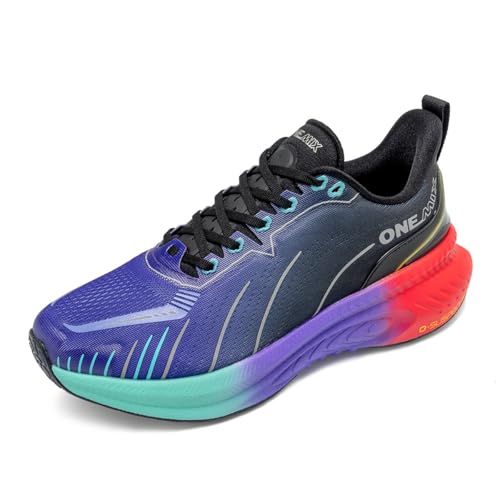
ONEMIX focuses on easing knee stress with a vacuum foam midsole that delivers energy return and a quick stride. The combination of a breathable upper and arch-supporting midsole aims to reduce impact forces, supporting a more comfortable walking experience for people with bad knees or back pain. The design supports longer wear without overheating, making them suitable for daily walks or light exercise while minimizing joint strain.
Buying Guide: Key Purchase Considerations
To select shoes that best support a bad back or bad knees, consider fit, cushioning, and stability. Look for a wide toe box if you have swelling or wider feet to avoid pinching, which can alter gait and increase knee strain. A well-cushioned midsole helps absorb impact, reducing shock traveling up the leg and spine. Stability features, such as a broad base or supportive overlays, promote balanced strides, which is essential for people with back pain. If diabetes or neuropathy is a concern, breathable materials and easy-to-clean designs improve long-term wearability.
Insoles can complement footwear by providing targeted arch support or heel cushioning. For users already experiencing muscle-induced joint stiffness, insoles with umproved pressure distribution (like Dr. Scholl’s Tri-Protect system) may offer additional relief when used with supportive shoes.
Style and ease of use matter too. Slip-on designs and adjustable straps can reduce strain when putting on or removing footwear, which is helpful after long days of activity. Prioritize shoes with breathable uppers to keep feet cool, supporting more comfortable walking sessions.
Durability and warranty are practical considerations. Look for reliable brands with known support features and check for warranties that cover wear-related support degradation. Finally, if you have specific conditions such as plantar fasciitis, flat feet, or diabetic neuropathy, consult a medical professional or a podiatrist for personalized recommendations and to ensure compatibility with any prescribed orthotics.