Choosing the right wetsuit can impact buoyancy, mobility, and comfort across swim, bike, and run transitions. This guide highlights high-performing women’s triathlon wetsuits designed for open-water training and racing. Each option prioritizes fit, flexibility, and warmth to help you maintain optimal form in varying water temperatures.
Summary of Selected Products
| Product | Brand | Key Feature | Water Type |
|---|---|---|---|
| Dark Lightning Full Body Wetsuit Women, 3/2mm | Dark Lightning | 3/2mm neoprene, back zipper, improved fit | Cold to cool water |
| Synergy Triathlon Wetsuit 3/2mm – Volution W1 | Synergy | Hydrodynamic SyPrene, YKK zipper, full mobility | Open water |
| Synergy Triathlon Wetsuit 3/2mm – Volution W2 | Synergy | Hydrodynamic, smoothskin, full range of motion | Open water |
| Santic Triathlon Suit For Women | Santic | 3-in-1 padded tri suit, flexible stitching, non-slip hem | All-water training |
| Zoot Maui Sleeveless Wetsuit | Zoot | Sleeveless design, Neoskin coating, buoyant panels | Warmer water |
Dark Lightning Full Body Wetsuit Women
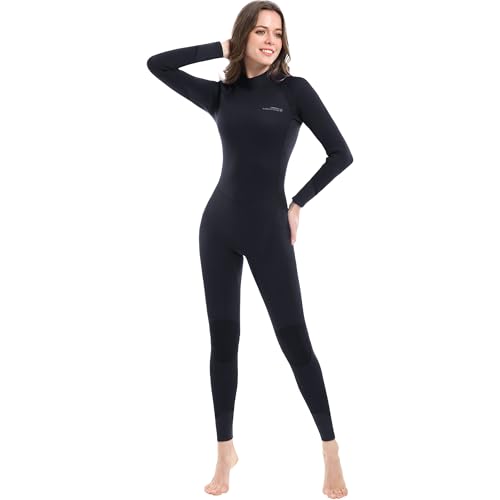
The Dark Lightning 3/2mm women’s wetsuit emphasizes a comfortable fit with high-elasticity neoprene for warmth in 58–68°F waters and unrestricted swimming, surfing, or snorkeling motion. Its back-zip design with an extended leash supports easy on/off, making it suitable for both first-time users and seasoned triathletes transitioning between disciplines.
Key features include an updated size chart for precise fitting, premium stretch neoprene for warmth and flexibility, and a back zipper optimized for quick entry and exit. The wetsuit aims to balance warmth with mobility, reducing drag during the swim segment while maintaining comfort across long workouts.
Synergy Triathlon Wetsuit 3/2mm – Volution W1
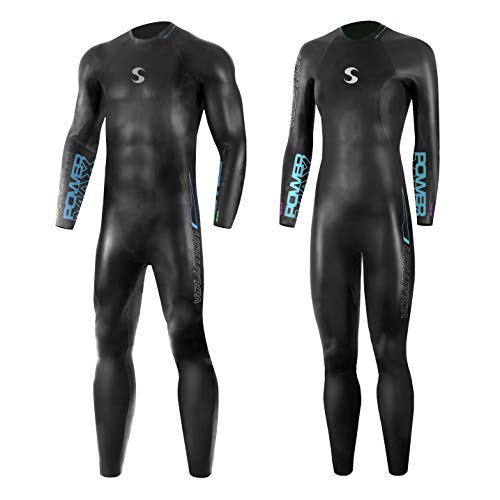
Designed for a wide range of athletes, Synergy’s Volution W1 wetsuit uses hydrodynamic SyPrene neoprene with a 3/2mm core and 2mm panels on the legs and back to balance buoyancy and mobility. It features a high-quality YKK internal zipper to reduce drag, a soft neck, and smoothskin interior surfaces to enhance comfort and reduce water resistance during the swim.
This model supports full range of motion with a focus on ease of entry and exit, making it appealing for triathletes who train in open water across varying terrains and temperatures. The design aims to deliver consistent performance across all levels of competition.
Synergy Triathlon Wetsuit 3/2mm – Volution W2
Similar to the W1, the Volution W2 emphasizes balance between buoyancy and flexibility with a 3/2mm core and 2mm panels. It uses hydrodynamic neoprene and a smoothskin exterior to minimize drag. The zipper system is designed to be corrosion-resistant and easy to operate, while the neck area remains soft to reduce chafing during long swims.
This variant targets athletes seeking dependable performance across different water temperatures, ensuring a secure fit and minimal restriction during the swim portion and subsequent transitions.
Santic Triathlon Suit For Women

The Santic women’s triathlon suit combines a 3-in-1 padded design with quick-dry fabrics. Its foam-cushioned pad provides comfort during cycling, while a flattering cut, elastic stitching, and non-slip hem help prevent riding up during runs. The suit is designed for full body aerodynamics and female-oriented fit, with emphasis on flexibility and ventilation for hot-weather portions of races or training.
Key advantages include a lightweight construction, stretchable fabric, and a fit tailored to female contours. The back panel and leg hems are optimized to reduce drag and ensure freedom of movement across the three disciplines.
Zoot Maui Sleeveless Wetsuit
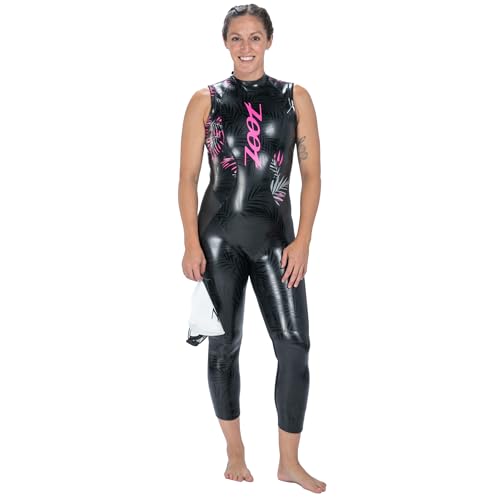
The Zoot Maui Sleeveless Wetsuit emphasizes shoulder mobility with a sleeveless design, improving range of motion in the swim while maintaining buoyancy through targeted Neoskin and neoprene layering. The Neoskin SCS hydrophobic coating reduces drag and enhances durability, and strategically placed thicknesses support core stability and buoyancy where it matters most.
Ideal for warmer-water events or training where extended shoulder mobility is beneficial, this wetsuit aims to boost confidence and streamline the stroke without sacrificing essential buoyancy and warmth in key zones.
Buying Guide: Key Purchase Considerations
- Water temperature and season: Choose thickness (2mm–3/2mm typical) aligned with local water temps and your comfort threshold. Warmer waters favor sleeveless or thinner suits; cooler seas benefit full suits with thermal panels.
- Fit and sizing: Proper fit reduces drag and improves efficiency. Look for a size chart with measurements, and consider users’ feedback about whether the brand runs small or large. A snug fit around the shoulders and chest improves arm extension.
- Flexibility and mobility: Prioritize suits with smoothskin panels, flexible neoprene, and minimally restrictive necklines. A back zipper provides easy entry, but some athletes prefer front-entry for balance.
- Buoyancy profile: Core buoyancy panels help maintain an optimal body position in the water. If you need more lift, select models with buoyant chest and back panels or strategically placed thicknesses.
- Durability and wear: Look for high-quality YKK zippers and reinforced seams (flatlock or taped seams) to withstand repeated use and saltwater exposure.
- Padding and comfort: If triathlon cycling and running are a major focus, padded sections can improve comfort during long bike segments, but ensure padding doesn’t overly restrict mobility.
- Entrylevel vs. performance: Entry-level wetsuits emphasize value and fit for beginners, while performance models focus on hydrodynamics and reduced drag for faster swim splits.
- Care and maintenance: Rinse with fresh water after use, dry away from direct sunlight, and store flat to maintain shape and elasticity.
In selecting a women’s triathlon wetsuit, balance fit, flexibility, and buoyancy with the water context and race demands. These options collectively address common needs—from easy entry and mobility to buoyant support and hydrodynamic drag reduction—helping athletes optimize their swim performance and transition times.