Choosing the right helmet is essential for performance and protection in triathlon training and racing. This guide highlights five top options that blend aerodynamics, ventilation, and secure fits suitable for mixed terrain and long rides. Each helmet has a focus on lightweight construction, effective ventilation, and reliable safety technology to help triathletes maintain speed without compromising comfort.
| Product | Brand | Key Benefit |
|---|---|---|
| Schwinn Thrasher Helmet for Adults | Schwinn | Lightweight microshell with adjustable fit |
| Giro Isode MIPS II Cycling Helmet | Giro | MIPS Evolve Core for rotational impact protection |
| SMITH Signal Cycling Helmet | SMITH | Koroyd coverage with strong venting and eyewear integration |
| Kask Utopia Y Bike Helmet | Kask | Aerodynamic design with advanced cooling |
| ROCKBROS Bike Helmet | ROCKBROS | Removable goggles/visor and adjustable fit |
Schwinn Thrasher Helmet for Adults

The Schwinn Thrasher helmet is designed for fitness and recreational rides with head sizing suitable for riders ages 14 and up (58–62 cm). It features an adjustable dial retention system for a secure fit and easy fine-tuning with side and chin straps. A removable visor adds sun protection, while lightweight microshell construction and 360° padding deliver comfort during long sessions. The interior padding is washable, helping maintain freshness after training or racing blocks. This model emphasizes a balance of everyday comfort and practical safety for triathletes who value simplicity and reliability.
Giro Isode MIPS II Cycling Helmet

The Giro Isode MIPS II uses MIPS Evolve Core to reduce rotational forces in certain impacts, combining a slip plane with an adjustable fit system. The in-mold construction fuses a tough polycarbonate outer shell with impact-absorbing foam for improved ventilation and a lighter overall feel. The Roc Loc Sport fit system enables one-handed adjustments across a 7 cm range, with a secure, comfortable fit even during strenuous transitions in triathlon events. This helmet suits riders seeking advanced protection with dependable adjustability.
Giro Isode MIPS II Adult Recreational Helmet

This is a universal-fit version of the Isode line, emphasizing MIPS protection and a robust sizing range aimed at adult recreational cyclists. Features include MIPS protection to redirect rotational energy and a sizing system designed to fit a wide range of head shapes. The emphasis is on comfort, easy sizing, and consistent protection across daily training rides or weekend triathlon brick sessions. For athletes who value simplicity in gear setup, this helmet offers dependable protection with straightforward adjustment.
SMITH Signal Cycling Helmet

Smith’s Signal helmet combines Koroyd coverage for lightweight, energy-absorbing protection with MIPS safety systems, aligning with U.S. and international safety standards. It features 21 fixed vents for consistent airflow and the AirEvac system to work with Smith eyewear, helping prevent fogging and keeping glasses clear during intense efforts. The design is focused on staying cool during hot segments and transitioning smoothly between swim-to-bike-to-run phases common in triathlons.
Kask Utopia Y Bike Helmet

The Kask Utopia Y is designed for speed, combining aero efficiency with advanced cooling. It features a rotational impact WG11 approval, reflecting a focus on protection against rotational forces. High-visibility reflective inserts improve safety in low-light conditions, while enhanced inner padding fibers speed evaporation and help regulate temperature. The helmet’s aerodynamics are complemented by cooling performance, making it a strong option for triathletes seeking a competitive edge without sacrificing comfort.
ROCKBROS Bike Helmet
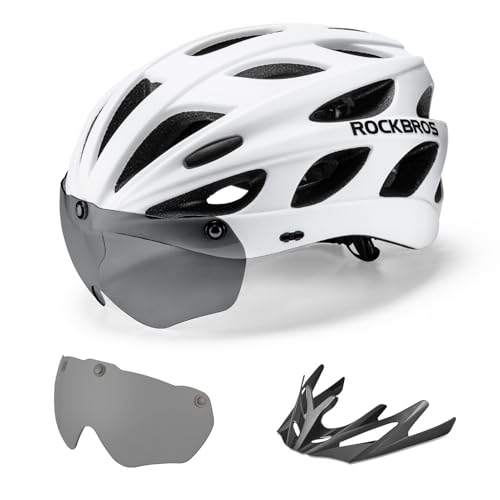
The ROCKBROS helmet targets versatile road and mountain riding with a fit range of 58–62 cm and adjustable chin straps. It includes a visor and goggles compatibility, helpful for sun protection during long training sessions or endurance races. The helmet is made with high-density EPS and single-mode technology to maintain protective performance over extended use. Its design emphasizes practicality for athletes who wear glasses or goggles during training and events.
Buying Guide: Key Purchase Considerations and Comparisons
- Fit and sizing: Look for adjustable dial systems or Roc Loc-type fit mechanisms that let you micro-adjust the tension for a secure, comfortable feel during transitions and long rides. A universal or wide size range helps reduce the need to try multiple helmets.
- Safety technology: Consider MIPS or similar rotational impact protection systems, which can reduce forces transmitted to the brain in certain crashes. The presence of a solid in-mold shell can also affect weight and ventilation.
- Aerodynamics and ventilation: For triathlons, aerodynamics matter, but ventilation remains critical to comfort during the bike leg and run transition. Look for helmets with strategically placed vents and features to facilitate airflow without adding excessive weight.
- Weight and comfort: Lighter helmets reduce fatigue during long swims-to-bike-to-run plans. Padding, washability, and interior comfort padding influence overall wearability across hours of use.
- Visor and eyewear compatibility: If you regularly race with a visor or sunglasses, a helmet with a removable visor or eyewear integration helps streamline the run transition and reduce glare.
- Ventilation technology vs. protection balance: Some helmets prioritize airflow and comfort, while others emphasize maximal protection with energy-absorbing materials. Consider your typical riding temperature and crash risk profile when choosing.
- Durability and maintenance: Removable padding and washable liners extend helmet life and hygiene between training blocks and events. Check for ease of cleaning and reuse after workouts in various conditions.
- Regional safety standards: Ensure the helmet meets applicable U.S. CPSC requirements and, if applicable, CE or AS/NZS standards for broader use. For triathlons, a safety-certified helmet is essential for race-day compliance.
All five helmets above meet common safety and performance benchmarks relevant to triathletes, offering a mix of MIPS protection, adjustable fit, ventilation, and compatibility with visors or eyewear. Depending on climate, course profile, and personal comfort, any of these choices can serve well for training and race days alike.