Triathlon runners need shoes that balance lightweight cushioning, breathability, and fast transitions. This guide highlights top tri-focused running shoes from ASICS and a select performance option from Saucony. Each pick emphasizes a combination of responsive foam, breathable uppers, and stability-focused systems to help athletes run strong from swim to bike to run. Read on for concise product insights and a buying guide to help compare features.
| Product | Brand | Key Features |
|---|---|---|
| ASICS Men’s Noosa TRI 16 Running Shoes | ASICS | FF BLAST PLUS cushioning, 3D GUIDANCE SYSTEM, breathable engineered mesh |
| ASICS Women’s Noosa TRI 16 Running Shoes | ASICS | FF BLAST PLUS cushioning, GUIDESOLE energy savings, breathable mesh |
| ASICS Men’s Noosa TRI 15 Running Shoes | ASICS | FLYTEFOAM cushioning, GUIDESOLE energy efficiency, breathable mesh |
| ASICS Women’s Noosa TRI 16 Limited Edition | ASICS | FF BLAST PLUS cushioning, GUIDESOLE, breathable mesh |
| Saucony Men’s Endorphin Shift 3 | Saucony | Soft PWRRUN foam, streamlined heel clip, centralized torsional heel groove |
Note: The table above consolidates shoes most relevant to triathlon training and racing. Each product section below expands on why these models suit triathletes, focusing on transitions, comfort, breathability, and energy efficiency.
ASICS Noosa TRI 16 Men’s Running Shoes

The ASICS Noosa TRI 16 is designed for triathletes seeking fast transitions and responsive daily training. FF BLAST PLUS cushioning delivers a soft, lightweight ride, while the 3D GUIDANCE SYSTEM supports adaptive stability during push-off. The engineered mesh upper improves breathability, helping feet stay cool during warmer race segments and workouts. This model aims for a balance between acceleration off the line and comfortable long runs, making it a strong option for sprint and Olympic-distance events.
ASICS Women’s Noosa TRI 16 Running Shoes
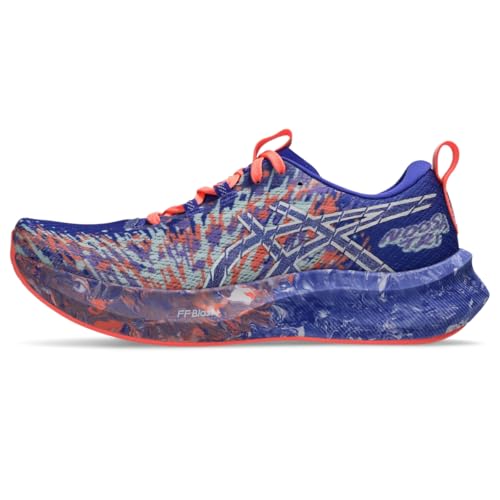
ASICS Noosa TRI 16 for women emphasizes breathability and energy efficiency. GUIDESOLE technology helps create smooth toe-offs and reduces energy loss on longer runs, while the mesh upper fosters airflow to keep feet cooler during hot sessions and race segments. The combination of light cushioning and stability makes this model well-suited for triathletes who value a quick recovery and an efficient stride between swim and bike transitions.
ASICS Noosa TRI 15 Men’s Running Shoes

Noosa TRI 15 continues the lineage with FLYTEFOAM offering lightweight cushioning and efficient performance. GUIDESOLE technology aids in conserving energy by reducing ankle flexion, which is beneficial during the transition from cycling to running. The engineered mesh upper provides breathability, helping prevent overheating during training runs and races that push pace or endure warm weather conditions.
ASICS Women’s Noosa TRI 16 Running Shoes (Limited Edition)
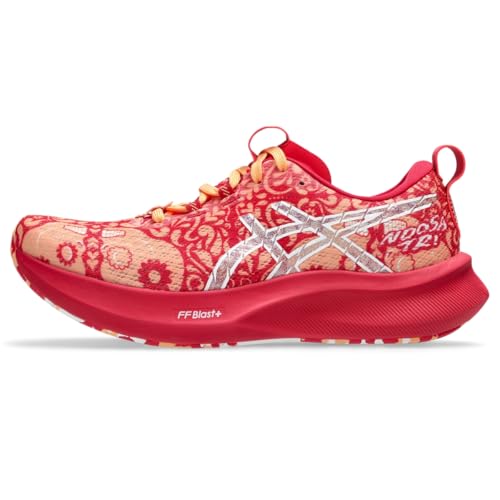
The Limited Edition Noosa TRI 16 for women emphasizes the same EVA foam and GUIDESOLE energy-saving design with a fresh colorway. Breathable mesh ensures comfort across multi-discipline sessions, and FF BLAST PLUS cushioning offers light, responsive impact absorption. The overall build supports a speedy run-off-cycling transition with a focus on comfort and stability for long workouts and races.
Saucony Endorphin Shift 3 Running Shoe

Saucony Endorphin Shift 3 offers a different performance profile that some triathletes appreciate for run segments. The shoe features a softer PWRRUN foam with an elevated insole to provide cushioned landings while preserving a responsive feel for continued speed. The durable mesh upper supports breathability, and the redesigned heel clip contributes to a secure lockdown. Its geometry supports a smooth transition from cycling to running with minimal fatigue on longer workouts.
Buying Guide: Key Purchase Considerations
- intended use: Triathletes often alternate between pool workouts, cycling, and running. Look for lightweight, breathable uppers and quick-drying materials to avoid water retention and chafing after swims.
- cushioning and energy return: For triathlons, balanced cushioning (not overly soft) helps with sustained runs. GUIDESOLE and similar energy-saving tech can reduce fatigue during longer races.
- stability vs. flexibility: A stable ride aids during running after cycling, while flexibility supports a natural stride. Depending on gait, some models with GUIDANCE systems offer adaptive stability without heaviness.
- fit and sizing: Tri shoes should fit snugly but comfortably. Consider width, toe box space, and lockdown features (laces, straps, or quick-lace systems) to ensure a secure fit during transitions.
- breathability and drainage: Mesh uppers and perforations help ventilation and fast drying. Breathability is essential for temperature management during heat or high-intensity efforts.
- durability and outsole traction: Look for outsole patterns that provide reliable grip on varied surfaces. A resilient midsole supports repeated transitions and training mileage.
- weight vs. durability: Lighter shoes improve transition speed, but some runners prefer a bit more cushioning for longer distances. Balance weight with the expected race length and terrain.
When choosing among these models, consider your typical race length, climate, and transition strategy. Athletes who focus on sprint and Olympic-distance events may prioritize lighter weight and faster transitions, while longer triathlons might favor a bit more cushioning and stability for fatigue management. The Noosa TRI line from ASICS remains a strong all-around choice for many triathletes, complemented by Saucony’s Endorphin Shift 3 option for a different feel and pacing approach.