The right mountain bike stem can improve control, steering precision, and overall riding comfort. This guide highlights five highly compatible MTB stems designed for 31.8mm handlebars and 1-1/8 inch steer tubes, offering varied lengths and angles to suit hard-charging trails or technical climbs. Each option balances strength and light weight, using high-quality aluminum alloys and precision CNC machining. Read on to compare key specs, installation notes, and how each stem might fit your bike setup and riding style.
| Product | Brand | Key Benefit | Handlebar Diameter | Steerer Diameter | Typical Length |
|---|---|---|---|---|---|
| WAKE Mountain Bike Stem 31.8 × 45mm | WAKE | Ultra-short for quick steering, versatile for MTB and BMX | 31.8mm | 28.6mm | 45mm |
| FIFTY-FIFTY Mountain Bike Stem 35mm | FIFTY-FIFTY | Lightweight and strong; 0-degree rise for stable handling | 31.8mm | 28.6mm | 35mm |
| CYSKY 31.8 Stem 35mm 0 Degree | CYSKY | Ultra-light with multiple color options; CNC precision | 31.8mm | 28.6mm | 35mm |
| LTR MTB Short Stem 50mm 30 Degree | LITEONE | 30° angle for aggressive terrain and downhill control | 31.8mm | 28.6mm | 50mm |
| JETCAT Short MTB Stem 31.8 | JETCAT | Compact stem for ergonomic riding and secure grip | 31.8mm | 28.6mm | Varies |
Note: All products are designed for common 1-1/8″ steer tubes and 31.8mm handlebars, with aluminum alloy construction to optimize strength-to-weight ratios on a wide range of mountain bikes.
WAKE Mountain Bike Stem 31.8 × 45mm
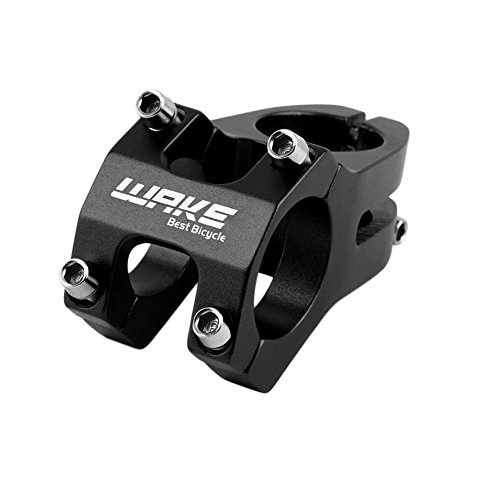
The WAKE stem features a 31.8mm handlebar clamp and a 28.6mm steerer interface, delivering a compact 45mm center distance. Crafted from CNC-machined 6061 T6 aluminum, it combines robustness with a modest weight of about 130g. Its universal design suits road bikes, fixed-gear setups, mountain bikes, and BMX, making it a flexible choice for riders who mix disciplines. The short length can enhance nimbleness on technical sections while preserving steering precision on climbs and descents.
Compatibility and installation are straightforward: the short profile reduces leverage, enabling tighter cornering without sacrificing stiffness. Riders seeking a minimalist cockpit with a quick-response feel may prefer this model. Weight is distributed to avoid unwanted fork flex, and the high-strength alloy resists corrosion and wear in diverse weather conditions.
FIFTY-FIFTY Mountain Bike Stem, 35mm

This short 35mm stem is built from 6061-T6 aluminum and undergoes 3D forging with CNC machining for a strong yet light construction. It weighs around 143.5g (approximately 5 oz) and is compatible with 31.8mm handlebars and 28.6mm steer tubes. The zero-degree rise yields a traditional, stable riding posture that favors aggressive climbs and downhill traction. Its durability supports demanding MTB use, including all-mountain and enduro riding, while maintaining a clean, minimal silhouette on the bike cockpit.
With precise machining, the FIFTY-FIFTY stem offers good fore-aft stiffness, contributing to confident steering during high-speed descents and technical turns. The lightweight design reduces inertia, helping riders maneuver through tight sections more easily. Assembly is straightforward, provided torque specs are followed to avoid over-tightening and ensure a secure grip on the handlebars.
CYSKY 31.8 Stem 35mm 0 Degree

The CYSKY 31.8 Stem offers a 0-degree rise with a 35mm length, designed for a lightweight yet sturdy setup. It weighs about 125g and fits 31.8mm handlebars with a 28.6mm steerer. Its CNC-machined 6061 T6 aluminum alloy construction emphasizes durability and corrosion resistance, making it a practical option for riders who want a clean look without sacrificing strength. The stem’s multi-color options provide a way to customize the bike’s aesthetic while maintaining solid performance on trails, cross-country races, or daily commutes.
Performance considerations include balance between stiffness and weight. A shorter stem with a neutral angle improves handling at lower speeds but may require a slight adjustment period for riders transitioning from longer stems. This model’s simplicity and reliability make it a solid baseline choice for most mountain bikes and mixed-terrain use.
MTB Stem 50mm 30 Degree by LITEONE
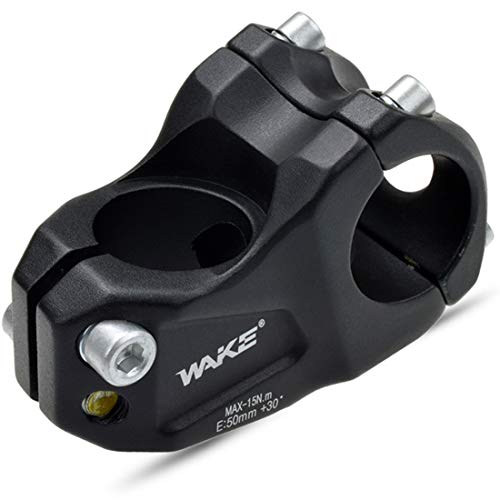
The LITEONE MTB stem is engineered for versatile mounting with a 50mm center distance and a 30-degree angle, enabling an aggressive riding stance that enhances downhill control and cornering stability. It uses a 31.8mm handlebar clamp and a 28.6mm steerer diameter, with a weight around 220g. The stem is CNC machined from high-strength 6061 T6 aluminum alloy, balancing strength and weight to reduce fatigue on long rides and rough trails. Its straightforward four-bolt bar clamp helps secure handlebars reliably, even under tough riding conditions.
Riders seeking a more responsive cockpit often favor the 50mm length paired with a 30-degree angle for enduro and downhill applications. While heavier than ultra-short stems, the added length increases lever stability, making it easier to control on steep descents, rough tracks, and rocky sections. Installation is simple, with standard torque specs ensuring a solid fit to the fork crown.
JETCAT Short MTB Stem 31.8
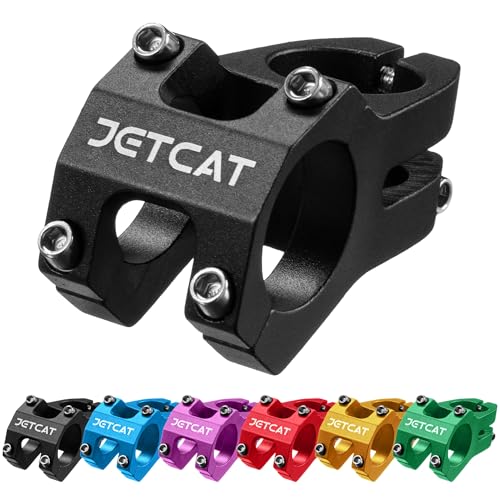
The JETCAT stem emphasizes premium performance and comfort through an ergonomic, shorter design that brings handlebars closer for a more upright posture. It improves wrist comfort and control on mixed terrains, making it suitable for road, BMX, and MTB use. The clamp area is reinforced to ensure a secure grip on 31.8mm handlebars, and the stem is built to withstand rugged trails and urban riding alike. A torque guide helps prevent over-tightening during installation, supporting consistent clamping force across rides.
As a compact stem, JETCAT offers a straightforward installation process and compatibility with a wide range of bikes. Riders who prioritize an improved riding position and quicker steering response on tight trails may find this option particularly appealing. The design focuses on stability and ease of maintenance, ensuring reliable performance for daily use and weekend adventures.
Buying Guide: Key Purchase Considerations and Comparisons
- Length and angle: Short stems (e.g., 35mm, 45mm) reduce lever length for quicker steering, ideal for technical trails, while longer stems (e.g., 50mm) increase stability at speed. Angles around 0° to 30° dictate ride posture and handling balance on climbs and descents.
- Diameter compatibility: Ensure handlebar diameter is 31.8mm and steer tube diameter is 28.6mm to match most modern MTB frames. Some stems offer multi-color finishes for cosmetic customization.
- Material and construction: Aluminum alloys like 6061 T6 provide a strong weight-to-strength ratio and corrosion resistance. CNC machining yields precision and consistent clamping surfaces.
- Weight vs. strength: Lighter stems improve efficiency, but very light options may compromise stiffness. Choose based on riding style—enduro and downhill riders may prioritize stiffness and reliability over ultra-light weight.
- Installation and maintenance: Look for torque guides and clear installation instructions. A four-bolt clamp design generally offers robust bar retention and easier alignment adjustments.
- Versatility and compatibility: Some stems are marketed as multi-discipline options (road, MTB, BMX). Verify that the stem suits your primary riding discipline and bike geometry to avoid mismatch with your cockpit setup.
- Aesthetics and finishes: Color options and CNC finishes allow you to personalize the bike’s appearance without affecting performance.
- Pricing and warranty: While primarily a performance upgrade, consider stems with established warranty coverage or reputable brands known for consistent manufacturing quality.
When selecting a stem, consider your riding goals: aggressive trail riding, enduro, or cross-country require different balances of weight, stiffness, and stem length. For riders seeking a quick, responsive feel, a short stem with little rise is beneficial. For those who prioritize stability in rough terrain, a longer stem with a modest rise can provide steady handling. Always verify compatibility with your frame, fork, and handlebars, and follow torque specifications to ensure proper clamping force and rider safety.