For newcomers to goose hunting, selecting a reliable specklebelly call can make the difference between a promising morning in the field and a silent stand. This guide highlights five beginner-friendly specklebelly goose calls that balance easy operation with authentic sound reproduction. Each option emphasizes clear yodels, clucks, and purrs, enabling new hunters to learn the basics while still performing under real hunting conditions. The list prioritizes ease of use, forgiving guts, and consistent volume for successful decoy setups and closer finishes.
Summary overview of selected products:
| Product | Brand | Key Benefit |
|---|---|---|
| Duck Commander Goose Call | Duck Commander | Short barrel for effortless Speck Yodels |
| Haydel’s Game Calls HPS-18 Half Pint Speck | Haydel’s Game Calls Inc. | Low-air-pressure brek and crisp breaks |
| Buck Gardner Speck Hammer | Buck Gardner Calls | Full speck vocabulary with easy handling |
| The Rice Wrecker Speck Goose Call | Slayer Calls Call The Wild | Realistic sounds from loud hail to soft notes |
| Haydel’s Compensator Speck Goose Call | Haydel’s Game Calls Inc. | Two-finger blow with precise yodels |
Duck Commander Goose Call For Beginners
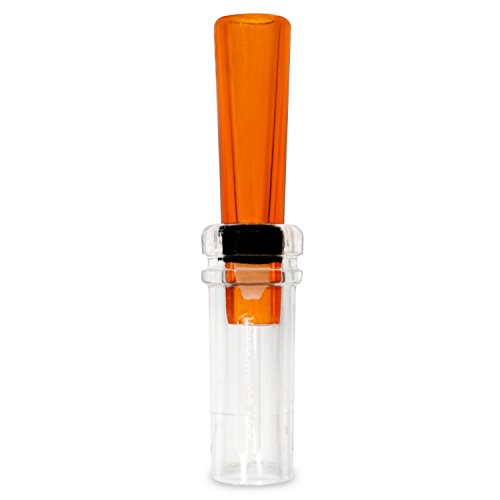
The Duck Commander Goose Call is designed with a short barrel to deliver signature Speck Yodels with ease. This compact design helps beginners develop a confident mouth call technique, reducing fatigue during long practice sessions. Beyond yodels, the call is capable of producing clucks and purrs that are essential to attracting and finishing specklebelly geese in close range. The large end-piece adds volume for clear sound transmission in field conditions, making it a practical first investment for new hunters building foundational calling skills.
Key features highlighted for beginners include an approachable air pressure requirement and a forgiving mouthpiece that supports learners learning basic yodel patterns. With practice, this call can become a reliable daily tool in a novice’s goose-hunting kit. It is well-suited for waterfowlers who want a balanced entry point between ease of use and realistic sound reproduction. Overall, it aligns with the goal of building confidence while progressing toward more demanding field scenarios.
Haydel’s Half Pint Speck Goose Call

The HPS-18 Half Pint Speck Goose Call features a compact acrylic barrel and a half-inch guts system paired with a newly designed reed. This combination requires very little air pressure to break crisply, which is beneficial for beginners who are still dialing in breath control. The result is cleaner yodels with less effort, helping new hunters produce consistent sounds over longer sessions. Its design prioritizes precise control without sacrificing the characteristic Specklebelly voice, making it a strong match for those who want reliable response with forgiving operation.
From a learning perspective, the Half Pint encourages steady technique development by emphasizing a clean blow and controlled venting. It’s also robust enough for field practice in varied weather and terrain, enabling newcomers to simulate realistic sequences that attract birds. For learners aiming to expand from basic yodels to a broader range of calls, this model serves as a solid stepping stone toward more complex repertoire.
Buck Gardner Speck Hammer
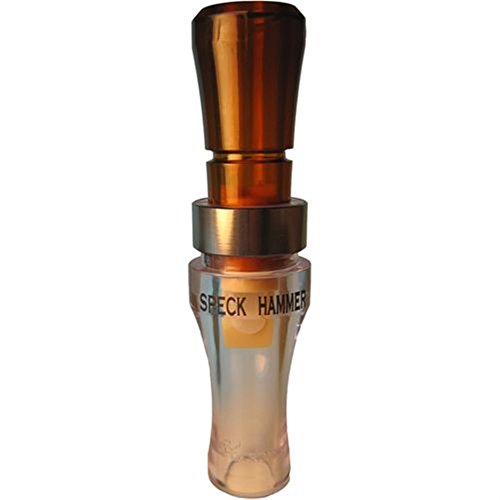
The Buck Gardner Speck Hammer is noted for ease of use and a full vocabulary that captures the specklebelly’s distinct yodels and clucks. Featuring custom 5/8″ guts and a gunmetal band, this call combines durability with realistic sound production. For beginners, the Speck Hammer offers predictable performance; learners can practice standard yodel cadences while gradually incorporating clucks and murmurs. The call’s design supports consistent air flow and stable tuning, reducing frustrating variances during early field sessions.
From a performance standpoint, the Speck Hammer balances traditional craftsmanship with practical field use. Its intuitive design allows beginners to focus on technique rather than troubleshooting, helping novices quickly develop a reliable calling style before transitioning to higher-end models. Hunters who want a recognizable Specklebelly voice in a sturdy, beginner-friendly package may find this option particularly appealing.
Rice Wrecker Speck Goose Call

The Rice Wrecker Speck Goose Call is hand-tuned to deliver realistic specklebelly sounds, including yodels, clucks, and murmurs aimed at convincing white-fronts to commit. The design emphasizes broad dynamic range—from loud hail calls to soft finishing notes—giving beginners a versatile tool as they learn to modulate volume and cadence in the field. Its forgiving guts and smooth airflow help new callers maintain a steady stream of tones while practicing precision in breath control.
Conditioned for field performance, The Rice Wrecker excels in flooded fields and belly-bar setups, with a build that tolerates varied weather and hunting environments. For beginners, this model supports experimentation with different sequences and intonation, which is essential for developing a convincing specklebelly call that can adapt to different flocks and scenarios.
Haydel’s Compensator Speck Goose Call

The Compensator Speck Goose Call by Haydel’s is designed to minimize guesswork in mouth placement. Its baffle allows a user to blow straight through the call while holding it with only two fingers, providing a straightforward approach for beginners who are mastering mouth positioning and air pressure. The call is engineered to produce dependable yodels, making it a practical first choice for new hunters who want consistent response without complicated technique. This model emphasizes reliability and repeatable tone across practice sessions and real hunts.
From a technique perspective, the Compensator emphasizes controlled hand positioning and simple airflow management. For learners, this reduces the cognitive load during early attempts at sequence calls, enabling more focus on timing and repetition. Over time, the call’s stability helps emerging hunters gain confidence as they expand their repertoire to include other vocalizations within the specklebelly range.
Buying Guide: Key Purchase Considerations For Beginners
Choosing the right specklebelly goose call as a beginner involves balancing ease of use with authentic sound. Consider the following perspectives to make an informed choice:
- Ease of Use: Look for calls with forgiving guts, moderate air requirements, and comfortable mouthpieces. Beginners benefit from gear that minimizes fatigue and reduces the learning curve for practicing basic yodels, clucks, and purrs.
- Sound Realism: A good beginner call should reproduce essential specklebelly sounds—yodels, clucks, and murmurs—with enough realism to engage geese without requiring advanced technique.
- Durability and Build: Choose models with sturdy construction (acrylic or durable plastic barrels, robust bands) that withstand field conditions and repeated handling by new users.
- Field Adaptability: Consider calls that perform well in varied environments—rice fields, flooded fields, and pits. A versatile call helps beginners respond to different flocks and weather scenarios.
- Maintenance: Prefer calls that are easy to clean and tune. Simple gut systems and easily replaceable reeds can extend the usable life for a new caller.
- Brand Support: Reputable brands with clear instructional resources can assist beginners through practice routines and technique tips, improving learning outcomes faster.
- Budget and Upgrading Path: Start with a model offering straightforward operation; plan for future upgrades as skills grow. Many beginners use their first call as a stepping-stone to more nuanced gear.
In terms of sound strategy, beginners should practice a balanced sequence that begins with short, crisp yodels and gradually integrates clucks and murmurs. Recording practice sessions can help compare tone, cadence, and volume, guiding improvements. Field practice remains essential; multiple short sessions can be more productive than a single long session, enabling consistent technique refinement and better recall under real hunting conditions.