The .223 caliber is popular for varmint control, plinking, and lightweight defense setups. Choosing the right scope can improve hit probability, especially in varying lighting and ranges. This guide highlights five versatile scopes well-suited for .223/.556 platforms, covering magnification range, reticles, build quality, and recoil resistance. Each entry links to a trusted Amazon listing for quick comparison and purchase.
Below is a quick at-a-glance table of the selected products to help you compare key specs side by side.
| Product | Magnification | Objective | Reticle Type | Mount |
|---|---|---|---|---|
| CVLIFE 2.5-10x40e | 2.5-10x | 40 mm | Illuminated red/green | 20 mm |
| CVLIFE 3-9×40 | 3-9x | 40 mm | R4 Crosshair | 20 mm |
| UUQ Tactical 4X32 Compact | 4x | 32 mm | Reticle with rangefinding | 20 mm |
| CVLIFE EagleTalon 1-6×24 | 1-6x | 24 mm | BDC Reticle | 30 mm |
| Triton 1-6x Orion FFP LPVO | 1-6x | 50 mm share? | FFP Reticle | 1 inch/varies |
CVLIFE 2.5-10x40e Red & Green Illuminated Scope
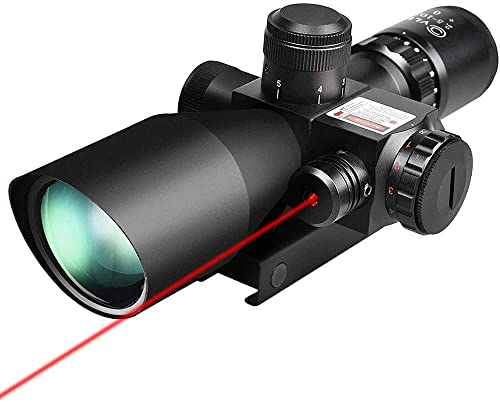
Magnification ranges from 2.5x to 10x, with a 40 mm objective designed to balance light gathering and size. The scope delivers a practical field of view, listed at 100 yards as 32.5 feet at 2.5x and narrowing to 8.9 feet at 10x. A 2 mW laser Class IIIA capability is included to assist close-range aiming, though the primary value comes from the multi-coated green lens for higher light transmittance than blue-tinted optics. Illumination modes include red and green with five intensity levels to adapt to dawn or dusk shooting. Built with a 20 mm mount compatible rail, this optic is suited for lightweight AR platforms and rifles chambered in .223/5.56.
Key considerations: robust body construction, consistent illumination, and a balance between magnification and eye relief. Users should assess whether a 20 mm mount aligns with their existing mounting hardware and whether the illuminated reticle remains visible in bright daylight. Because the optic supports both red and green illumination, it provides flexibility across various target contrasts, though battery management becomes a practical factor in field use.
CVLIFE 3-9×40 Optics With R4 Reticle
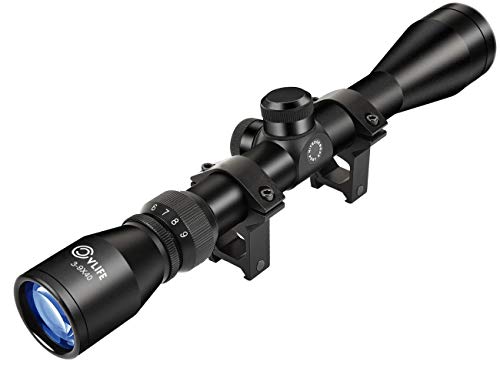
This scope provides a 3-9x zoom with a 40 mm objective and a straightforward 1.57 inch (approx.) exit pupil. The R4 reticle design favors quick target acquisition with a practical balance between field of view and resolution. The 20 mm scope mount is a common choice for many AR platforms, making this an accessible upgrade for .223 rifles used in sport shooting or practical precision tasks.
Key considerations: the 3-9x range suits mid-range targets and varmint hunting; the R4 reticle is optimized for quick holds, but buyers should confirm eye relief and parallax characteristics meet their preferences. This optic is a solid budget-friendly option for those prioritizing a lightweight, versatile scope with a simple reticle design.
UUQ Tactical 4X32 Compact Rangefinder Reticle

With a fixed 4x magnification and a 32 mm objective, this compact scope emphasizes durability and recoil resistance, aided by a milled one-piece aircraft-grade aluminum body. It is designed to withstand heavy recoil with fog-proof and shock-resistant housing, aided by nitrogen charging and weather-sealed construction. The blue fused multi-coated lens aims to improve light transmission, and the scope includes windage and elevation adjustments for precise zeroing. The rangefinding reticle can be helpful for quicker holds at practical .223/5.56 distances.
Key considerations: fixed magnification limits flexibility, but the compact form reduces weight and profile on lighter rifles. Consider whether a 4x zoom aligns with your typical engagement range and whether the rangefinding reticle matches your preferred ballistic calculations.
CVLIFE EagleTalon 1-6×24 LPVO

This LPVO spans 1x to 6x, delivering true 1x for close targets and up to 6x for longer-range aiming. The 30 mm cantilever mount helps accommodate AR platforms while maintaining a low profile. Its BDC reticle is designed for .223/5.56 and .308/7.62, enabling holdovers out to roughly 600 yards with appropriate ballistic data. The scope emphasizes HD optics and full multi-coating for improved edge-to-edge clarity across magnifications, providing consistent performance in varying light. Exposed locking turrets allow quick adjustments with tactile feedback, then locking to re-zero when needed.
Key considerations: a larger objective and solid build offer more light collection, but the 30 mm tube increases compatibility considerations with mounts and rings. If you value fast target acquisition and a versatile reticle, this option balances performance and practicality for typical .223 engagements.
Triton 1-6x Orion FFP LPVO

This first focal plane (FFP) LPVO offers true 1-6x magnification with a reticle that scales with magnification, enabling precise holdovers and ranging at any power. Triton’s ED glass enhances light transmission for better clarity and color accuracy, helping shooters identify targets in lower light. The scope’s argon-purged, aircraft-grade aluminum body is designed to withstand weather, shock, and pressure changes, providing reliable performance from dawn to dusk. The combination of an intensified 1x close-quarters view and high-quality optics makes it a strong choice for versatility in .223/5.56 setups.
Key considerations: FFP reticles offer precise holdovers across magnifications but may require reticle familiarity. Ensure the mounting setup aligns with your rifle and that the optic’s size and weight are appropriate for your intended use.
UUQ 4X32 Compact .223/.308 Rangefinder Reticle

This compact UUQ optic mirrors the lightweight, recoil-ready approach, featuring a 4x magnification, 32 mm objective, and a solid aluminum chassis designed to withstand constant heavy recoil. The blue fused multi-coated lens aids light transmission, while weather resistance and nitrogen charging help prevent fogging. The reticle supports windage and elevation adjustments, providing a practical aiming reference for .223/5.56 and .308/7.62 calibers when combined with proper zeroing.
Key considerations: the compact design suits small to mid-sized AR builds, though a fixed 4x is less flexible than a true LPVO. Ensure compatibility with your mount and confirm that the weight aligns with your rifle’s balance and your shooting style.
Buying Guide: Key Purchase Considerations for .223 Scopes
- Magnification range: For .223 rifles, a scope in the 1-6x or 2.5-10x range covers close-quarters engagement to mid-range precision. Consider your typical targets and distances to choose the right balance of field of view and zoom.
- Reticle type: First focal plane (FFP) reticles scale with magnification, useful for ranging at any power. Second focal plane (SFP) reticles stay the same size, often simpler to read at any magnification. Consider how you’ll use holdovers and ballistic calculations.
- Lens coatings and light transmission: Multi-coated, blue-tinted or green-tinted lenses specialize in different light conditions. Green coatings can improve light transmission in dawn/dusk; blue coatings may emphasize scratch resistance and clarity in bright light.
- Mount compatibility: Most .223 optics in this range use 20 mm or 30 mm tubes. Ensure your rings and rail system match the scope’s tube diameter and the mounting footprint.
- Durability and seals: Look for fog-proof, shock-resistant housings and nitrogen or argon purging. Recoil resistance is especially important for higher-caliber .223/.556 platforms and rough field use.
- Illumination and batteries: Illuminated reticles offer improved visibility in low light but require battery management and maintenance. Check brightness levels, battery type, and estimated runtime.
- Weight and size: LPVOs and compact scopes vary widely in weight. For rifles intended to move quickly or carry longer, a lighter optic can improve handling and balance.
- Zeroing and adjustability: Exposed locking turrets with tactile clicks help preserve zero after field adjustments. Confirm that windage and elevation controls are precise and easy to reset.
When evaluating options, assemble a short list of your priorities: field of view at 2-4x, low-light performance, available reticle types, and how the optic integrates with your existing rifle setup. A well-chosen scope for .223 should deliver consistent clarity, reliable holdovers, and smooth operation across the intended engagement distances.