Choosing the right running shoes can play a crucial role in reducing stress on the feet and lower legs. This guide highlights five shoes and related accessories designed to support stability, cushioning, and proper alignment—factors that may lower the risk of stress fractures for runners and walkers alike. Each product below includes a brief feature snapshot and a direct link to the Amazon listing for quick comparison.
| Product | Brand | Key Benefit |
|---|---|---|
| Brooks Ghost Max 3 Neutral Running & Walking Shoe | Brooks | High-density cushioning and GlideRoll for smooth transitions |
| IRUNSVAN Carbon Plate Marathon Shoes | IRUNSVAN | Carbon plate stability with lightweight rebound |
| OrthoComfoot Orthopedic Trail Sneakers | OrthoComfoot | Advanced arch support and versatile outdoor traction |
| Titanium-Enhanced Carbon Fiber Insole | UBARONY | Carbon-infill support to reduce fatigue and injuries |
| Superfeet Run Cushion High Arch Insoles | Superfeet | High-arch orthotic support for efficient turnover |
Brooks Ghost Max 3 Neutral Running & Walking Shoe
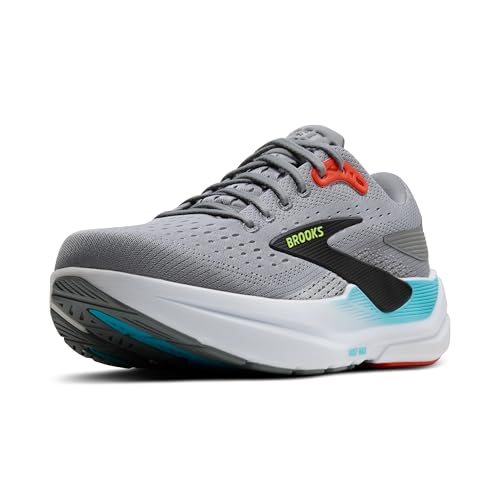
The Brooks Ghost Max 3 pairs a high stack of DNA Loft v3 cushioning with a wide base to reduce underfoot pressure. Its GlideRoll Rocker promotes smooth heel-to-toe transitions, benefiting both runners and walkers who prioritize stability. This model is PDAC A5500 Diabetic certified and APMA accepted, with carbon-neutral credentials. The upper uses a high-fidelity textile and engineered mesh for breathability and a comfortable, ventilated fit. The cushioning aims to lower injury risk by providing a natural stride and energy-efficient movement.
IRUNSVAN Carbon Plate Marathon Running Shoes

These shoes incorporate carbon plate stability for enhanced propulsion and energy transfer, suitable for marathon training and daily workouts. They combine a lightweight design with high-rebound cushioning—offering over 70% rebound—to support fast tempos and long-distance runs. The upper is designed to fit men and women with a true-to-size approach, promoting adaptive comfort across varying running styles. The combination targets efficient stride mechanics while maintaining comfort during extended sessions.
OrthoComfoot Men’s Orthopedic Trail Sneakers

Designed with advanced arch support to alleviate flat feet and plantar fasciitis symptoms, these trail sneakers emphasize proper foot alignment to reduce strain on the feet, knees, and lower back. They’re built for multi-activity use—from trail running to walking and cross-training—offering high cushioning and a durable outsole with solid traction for wet or dry surfaces. The goal is consistent support across activities, potentially lowering stress-related injuries during long days on your feet.
Titanium-Enhanced Carbon Fiber Insole (1 Pair)

This carbon fiber insole pair aims to reduce fatigue and injuries by delivering stronger material with better thermal regulation. The titanium-carbon fiber construction provides improved abrasion resistance and lighter weight, supporting a quicker recovery from turf toe, hallux rigidus, stress fractures, and related conditions. It is designed to fit under the original insole or as a direct insert, aligning with a wide range of athletic shoes to improve foot mechanics during activity.
Superfeet Run Cushion High Arch Insoles

Superfeet Run Cushion insoles provide high arch support and adaptive comfort for runners and walkers who need enhanced stability. The trim-to-fit design ensures a precise fit, while the patented Adaptive Comfort Technology flexes with your foot to optimize heel-to-toe turnover. For individuals seeking a reliable orthotic boost within their existing footwear, these insoles offer durable arch support and sustained comfort during long runs or daily activities.
Buying Guide
Key purchase considerations for reducing stress fracture risk include cushioning and impact absorption, stability features, arch support, and compatibility with your foot type. Here are multiple perspectives to help you decide:
- Foot type and arch: High arches often require additional arch support, while flat feet benefit from stability-focused designs. Look for insoles or shoes that reinforce arch support without causing overpronation.
- Cushioning technology: Cushioned midsoles (like DNA Loft) can dampen impact, potentially lowering the stress placed on bones. Consider carbon plates or responsive foams for efficient energy transfer with controlled rigidity.
- Stability and guidance: Shoes with a wider base, rocker geometry, or carbon plate stabilization can promote even load distribution and smoother gait cycles, reducing localized stress on bones.
- Insoles and inserts: Independent insoles (e.g., Superfeet or carbon fiber inserts) can be added to tailor support and fit. Ensure compatibility with your current shoes and last.
- Activity and terrain: Trail surfaces demand better tread and protection, while road running benefits from responsive cushioning and consistent midsole feel. Choose accordingly.
- Fit and sizing: A proper fit helps prevent compensatory gait adaptations that could elevate fracture risk. Try shoes with fit guides and available width options when possible.
- Care and maintenance: Regularly inspect cushioning and outsole wear. Replacing worn footwear at recommended intervals helps maintain protective features and reduces injury risk.
For runners and walkers aiming to minimize stress fracture risk, a combination approach often works best: a well-cushioned, supportive shoe aligned with an orthotic insole or enhanced arch support. This strategy can balance cushioning, stability, and foot alignment to reduce repetitive stress during long workouts or daily activity.