Finding footwear and inserts that alleviate shin splints and knee discomfort can help you maintain a consistent running routine. This guide highlights top-running options and supportive insoles designed to reduce impact, stabilize alignment, and promote a healthier stride. Each pick focuses on cushioning, support, or corrective features that address common overuse pains while keeping you comfortable during long runs and workouts.
| Product | Brand | Key Benefit |
|---|---|---|
| Brooks Men’s Glycerin 22 Neutral Running Shoe | Brooks | Luxurious cushioning with neutral support |
| Brooks Women’s Adrenaline GTS 24 | Brooks | Holistic support with responsive cushioning |
| Dr. Scholl’s Performance Running Insoles | Dr. Scholl’s | Size-specific arch support and shock reduction |
| PowerStep Pulse Maxx Insoles | PowerStep | Motion control with arch support for shin and knee relief |
| Fulton Athletic Insoles | Fulton | Customizable arch support and deep heel cup for stability |
Brooks Glycerin 22 Neutral Running Shoe

The Brooks Glycerin 22 is engineered for premium cushioning and smooth transitions. It features DNA Tuned midsole technology that blends dual-size cells for plush landings and responsive toe-offs. The neutral support is designed for road running and gym workouts while prioritizing comfort over long distances. For runners seeking a balance of softness and bounce, this model offers high cushioning with a focus on natural foot motion. For those managing shin splints and mild knee discomfort, the Glycerin 22 provides a forgiving ride with consistent energy return.
Brooks Adrenaline GTS 24

The Adrenaline GTS 24 delivers guided stability through a holistic support system that helps control excess motion while maintaining a smooth, cushioned ride. The nitrogen-infused DNA Loft v3 midsole foam provides soft, responsive cushioning that adapts to your stride, which can help reduce knee stress and shin impact over time. This model is designed for runners needing structured support without sacrificing comfort, making it a strong option for those dealing with shin splints or knee pain from overpronation or fatigue.
Dr. Scholl’s Performance Running Insoles
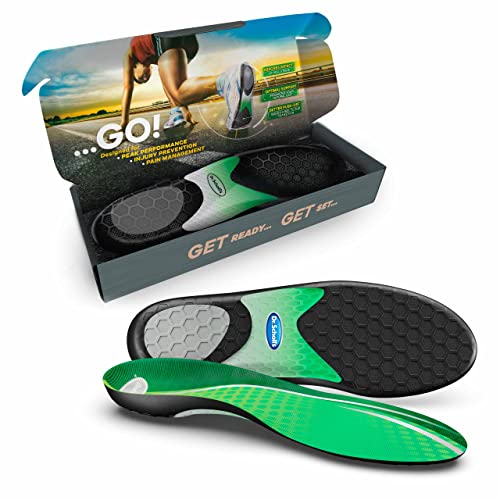
These insoles are sized to fit without trimming and feature ActivPerform technology to reduce shock by up to 40 percent. They include size-specific arch support for precise motion control and enhanced energy return, promoting a natural gait. This combination helps alleviate shin splints and knee discomfort by offering targeted shock absorption and alignment support across a full foot strike, making them a practical upgrade for existing running shoes.
PowerStep Pulse Maxx Insoles
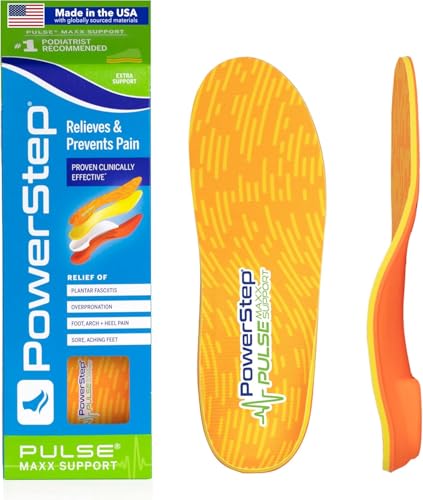
The PowerStep Pulse Maxx insoles offer a rigid shell with an angled heel for enhanced correction and alignment. They provide motion control along with dual-layer cushioning to absorb impact and reduce stress on the feet, ankles, and knees. Designed for runners who overpronate or experience fatigue, these insoles aim to improve stability and comfort across long training sessions and daily runs, potentially helping shin splints and knee pain by promoting a more neutral stride.
Fulton Athletic Insoles

Fulton athletic insoles provide customizable arch support with a deep heel cup to stabilize the foot and reduce fatigue. They are designed to fit a wide range of arch types and runner weights, offering a balance of cushioning and support. The insoles help absorb shock in high-impact activities like running, which can lessen shin splint symptoms and dampen knee joint stress during repetitive strides.
Buying Guide
Key purchase considerations for shin splint and knee pain relief include footwear type, arch support, cushioning level, stability features, and fit. For shoes, prioritize models with ample cushioning, a smooth midsole transition, and a level of guidance that matches your foot movement (neutral versus stability). If shin splints are a primary concern, insoles with targeted arch support, heel stabilization, and shock absorption can dramatically improve comfort. For knee pain, seek products that promote a more neutral alignment, reduce excessive inward motion, and maintain energy return without adding fatigue.
Choosing between a cushioning shoe and an insole solution depends on your gait, foot structure, and training goals. Runners with overpronation or flat feet may benefit from stability- or motion-control options combined with supportive insoles for enhanced comfort. Conversely, runners with neutral feet seeking plush cushioning might do well with soft midsole shoes paired with insoles offering arch support to maintain proper alignment. Always try a fit with your typical running socks and consider a brief test run to assess impact, comfort, and response.
When evaluating options, look for the following: responsive yet protective cushioning, a supportive heel cup, arch alignment features, a midsole that balances softness with energy return, and a design that accommodates your foot strike. Insole choices should match your arch type and provide a secure heel fit to prevent slipping. Compatibility with your current shoes is essential to maximize the benefits without introducing new friction points. Finally, verify the product’s suitability for long-distance runs if endurance is your goal.