Finding footwear that alleviates forefoot pain while still delivering everyday comfort can be challenging. This guide highlights five products designed to reduce pressure on the ball of the foot, support natural stride, and promote comfort during walking, running, or training. Each item focuses on metatarsal cushioning, supportive insoles, or wide-toe-box designs to help relieve forefoot discomfort. Whether you’re dealing with Morton’s neuroma, metatarsalgia, or general forefoot soreness, these picks offer evidence-based options to reduce pressure and improve foot alignment. Below is a quick overview of the selected products.
| Product | Brand | Purpose |
|---|---|---|
| Metatarsal Pads 12 Pack | FOMIBOBRI | Forefoot cushioning and pain relief |
| Keroius Forefoot Pads | Keroius | Gel forefoot support and repetitive-use comfort |
| Powerstep Pulse Plus Insole | PowerStep | Full-length metatarsal support and odor control |
| Brooks Adrenaline GTS 24 | Brooks | Holistic support with dynamic cushioning |
| OrthoComfoot Wide Toe Box Shoes | OrthoComfoot | Orthotic-friendly, wide toe box for plantar relief |
Each option targets forefoot comfort in distinct ways—from insole inserts and pads that cushion the ball of the foot to shoes engineered with extra width and arch support. The list below expands on each product, detailing features, fit, and how they contribute to forefoot relief during activities.
Metatarsal Pads 12 Pack From FOMIBOBRI

The FOMIBOBRI metatarsal pads are designed to reduce forefoot pressure across a wide range of shoe types. The pads are described as flexible and breathable, with a honeycomb design and multiple holes to wrap comfortably around the forefoot. Suitable for both women and men, these cushions aim to relieve pain associated with long walking, running, or standing. The pads are lightweight and intended to fit most shoes, including stylish options that women may wear daily.
Key features include a focus on relieving metatarsal pain, reducing contact between the ball of the foot and footwear, and a non-slip design to help the pads stay in place during activity. The product emphasizes compatibility with various sizes (4-12 women, 5-14 men) and emphasizes comfort during extended wear.
Keroius Forefoot Pads
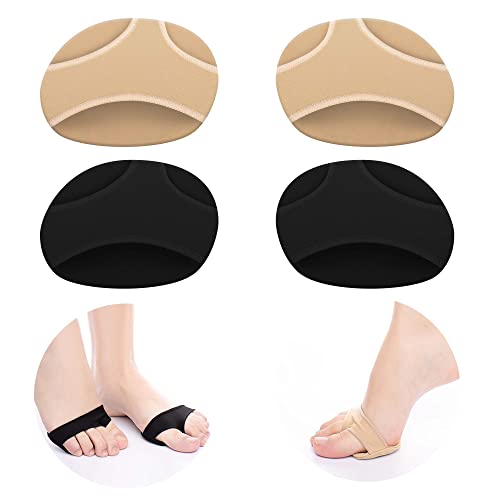
Keroius foregrounds foot health with metatarsal insoles designed for both women and men. The pads use a combination of Lycra and medical-grade SEBS, forming an oval-shaped gel pad that wraps the forefoot and shares pressure across the ball of the foot. The design aims to be soft against the skin and suitable for repeated use with socks. These forefoot sleeves are intended to reduce impact when standing, walking, or running, offering relief for common forefoot conditions like metatarsalgia and Morton’s neuroma.
Highlights include durability through repeated use, comfortable skin feel, and broad mechanistic coverage for forefoot pain relief during daily activities or workouts.
Powerstep Pulse Plus Insole

Powerstep Pulse Plus insoles are full-length, designed to provide total foot support and metatarsal cushioning. The product notes include an odor-control top fabric to help reduce heat and friction. These insoles target metatarsal pain by distributing pressure across the entire foot, making them suitable for runners and walkers who experience forefoot discomfort. The design emphasizes stability, responsibility to the arch, and comfort for prolonged wear.
Use cases include daily wear in running shoes, hiking footwear, and casual sneakers where forefoot pain is a limiting factor. The insoles’ total contact approach aims to minimize hot spots and fatigue during extended activity.
Brooks Adrenaline GTS 24

The Adrenaline GTS 24 adds nitrogen-infused DNA Loft v3 cushioning for a soft, plush ride while delivering a holistic support system via GuideRails. Certified as a PDAC A5500 Diabetic shoe, it emphasizes stability and alignment to keep excess movement in check. This model is designed for runners who need reliable support without compromising energy return, offering a balance of cushioning and guidance to minimize forefoot overpronation and fatigue over long runs or daily wear.
Key considerations include whether you need increased stability, a supportive ride for longer mileages, and a shoe that accommodates standard-width feet with room to install orthotics if needed.
OrthoComfoot Wide Toe Box Shoes

OrthoComfoot’s orthopedic wide-toe-box shoes are designed for plantar fasciitis relief and bunion comfort, emphasizing arch support and a roomy front end. The design aims to reduce pressure across the forefoot by providing a stable base, supportive arch alignment, and breathable comfort. These shoes target individuals who need extra space and orthotic compatibility, making them suitable for extended walks, gym sessions, and casual wear where forefoot pain can be an issue.
Considerations include the shoe’s overall width, arch support level, and whether the design accommodates custom orthotics or insoles for enhanced metatarsal relief.
Buying Guide: Forefoot Pain Relief For Active Feet
Forefoot pain can arise from overuse, structural foot variations, or improper footwear. When selecting footwear or inserts for forefoot relief, consider the following perspectives and trade-offs:
- Insole vs. shoe: Metatarsal pads and full-length insoles can coexist with most athletic footwear, but check for fit and thickness. Pads are best for limiting pressure at the ball of the foot, while insoles offer comprehensive arch support and distribution of load.
- Foot type and width: If you have a wide forefoot or bunions, look for wide-toe-box designs or adjustable closures to avoid pressure points. Orthotic-friendly shoes can accommodate custom inserts for personalized support.
- Activity type: Running, walking, or standing all stress the forefoot differently. Cushioned, responsive midsoles help with shock absorption, while supportive guides reduce excessive foot movement that aggravates pain.
- Material and breathability: Breathable fabrics reduce heat and moisture, which matters for comfort during long sessions. Gel pads and Lycra blends provide comfort with stretch.
- Durability and maintenance: Reusable forefoot pads and insoles should be cleaned as directed to prevent odor buildup and preserve fit. Replace worn components to maintain protective function.
Key comparison points
- Padding density and coverage: Full-length insoles offer overall support, while metatarsal pads focus pressure on the forefoot.
- Support system: GuideRails or arch support features help align the foot for reduced forefoot strain.
- Fit flexibility: Materials like Lycra and medical-grade SEBS offer stretch without deformation, which is important for varied foot shapes.
- Usage scenario: Shoes ideal for daily wear vs. performance running may differ in cushioning style and width.
- Maintenance: Reusability and ease of cleaning influence long-term satisfaction and odor control.
Choosing the right combination of pad, insole, and footwear can address forefoot pain across different activities. When in doubt, consult a footwear professional or clinician to tailor insert thickness, arch support, and toe-box width to your specific needs, ensuring optimal comfort and alignment during movement.