Shin splints can slow training, but choosing the right footwear and footbed support can help alleviate pain and improve recovery. This guide highlights five products designed to cushion impact, stabilize your stride, and support arch and calf. Each selection targets shin splints through a mix of supportive insoles, compression sleeves, and cushioning running shoes, offering options for different foot types and running styles.
| Product | Brand | Key Benefit |
|---|---|---|
| ASICS Gel-Contend 9 | ASICS | Cushioned heel strike with breathable mesh |
| currex RunPro Insoles | currex | Dynamic arch support with zero heel drop |
| Crinova Plantar Fasciitis Insoles | crinova | High arch support and breathable materials |
| Rymora Calf Compression Sleeves | Rymora | Gradual compression to reduce fatigue and shin stress |
| Brooks Glycerin 22 | Brooks | Plush cushioning for soft landings and long runs |
ASICS Gel-Contend 9 Running Shoes

The ASICS Gel-Contend 9 focuses on stability and comfort for runners who experience shin splints or impact-related discomfort. Its rearfoot GEL technology enhances shock absorption at footstrike, delivering a softer feel as the foot lands. A Jacquard mesh upper promotes airflow to keep feet cool during longer runs, while the OrthoLite sockliner offers step-in comfort that can reduce fatigue on mid- or long-distance workouts. This combination supports a smoother transition from impact to propulsion, helping runners maintain form when shin pain flares up. Suitable for daily training and rehabilitation runs, the Contend 9 provides dependable cushioning without excessive bulk.
currex RunPro Insoles For Running Shoes
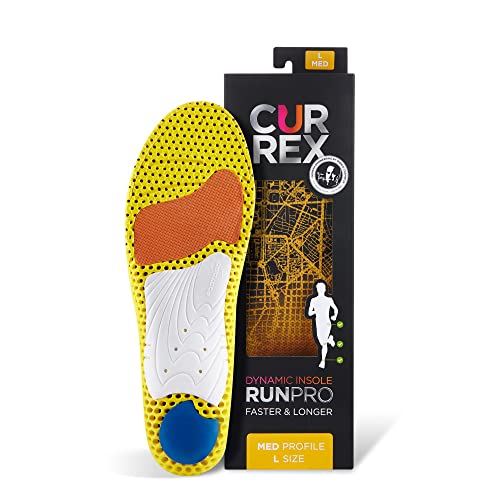
Currex RunPro insoles offer flexible support and shock-absorbing cushioning from heel to toe, designed to reduce fatigue and prevent common running injuries, including shin splints. Their 3D Dynamic Arch Technology provides multi-profile arch support, with options for low, medium, or high arches to fit a wide range of feet. The insoles feature a deep decoupled heel cup to stabilize the heel and improve stability, helping control motion for various foot strikes. A zero heel drop feature aims to create a natural foot position inside most running shoes, while the ability to trim the insoles ensures a snug fit. This makes RunPro a versatile option for runners seeking better propulsion and reduced stress on the lower legs.
Crinova Plantar Fasciitis Insoles

Crinova plantar fasciitis insoles are designed to address flat feet, pronation, and arch-related pain that can contribute to shin splints. The high arch support design uses a semi-rigid heel pad and a soft forefoot made of PU foam and gel to deliver moderate support, improve stability, and reduce stiffness. Breathable materials help keep feet dry during long runs, helping prevent friction-related discomfort. The insoles can be trimmed to fit, making them adaptable to various shoe models while supporting daily activities, running, or training sessions aimed at reducing shin-related symptoms.
Rymora Calf Compression Sleeves

Rymora calf compression sleeves are designed to provide targeted support to the calf muscles, which can help alleviate shin splint symptoms by reducing muscle oscillation and improving circulation. The sleeves emphasize graduated compression to keep legs feeling fresher during runs, workouts, or long days on your feet. They are suitable for recovery use as well, helping to reduce soreness after exertion. For runners dealing with shin splints, consistent calf support can complement foot-level cushioning and arch support by stabilizing the lower leg during impact and stride, contributing to overall symptom management.
Brooks Glycerin 22 Neutral Running Shoe

The Brooks Glycerin 22 is a neutral running shoe designed for maximum cushioning and plush landings. With DNA Tuned cushioning, larger heel cells provide a soft initial landing while smaller forefoot cells deliver a more responsive toe-off. This balance helps reduce impact forces during midstance, potentially alleviating shin splint discomfort for runners who require substantial shock absorption. The shoe’s overall ergonomic design focuses on smooth transitions and long-ride comfort, making it a viable option for longer runs or recovery miles where shin pain is a concern. It is important to assess fit and arch type to ensure the best results for your gait.
Buying Guide: Key Purchase Considerations For Shin Splints
- Foot type and arch support: Identify whether you have low, normal, or high arches. Insoles with customizable arch profiles or a zero heel drop can help align the foot and reduce shin load.
- Cushioning versus stability: For shin splints, balanced cushioning that absorbs impact without overly collapsing the foot can help; consider models with targeted rearfoot gel or well-cushioned midsole.
- Calf and ankle support: Compression sleeves or calf supports can complement foot-level cushioning by stabilizing the lower leg, reducing fatigue, and aiding recovery after runs.
- Fit and sizing: Insoles and sleeves require precise sizing for comfort and effectiveness. Trim-to-fit options increase compatibility with various shoe models.
- Breathability and materials: Look for breathable uppers and moisture-wicking insoles to prevent blisters and irritation during longer sessions.
- Durability and maintenance: Consider materials that hold up under regular running or cross-training, and check for easy cleaning or replacement parts for longevity.
- Usage scenarios: If shin splints are persistent, combine a cushioned daily trainer with targeted insoles and calf support to create a comprehensive approach to symptom relief.
- Recovery compatibility: Some products are suitable for post-exercise recovery use; wearing sleeves after workouts may help soothe fatigued muscles and reduce soreness.
- Gait and biomechanics: If shin splints persist, consult a running coach or clinician to assess stride mechanics and identify underlying causes such as overpronation or training load spikes.
When selecting products to address shin splints, consider a combined approach: footwear with adequate cushioning, insoles tailored to your arch, and calf or leg support that promotes proper muscle engagement. The options above provide a spectrum of choices—from high-cushioning running shoes to arch-support insoles and calf sleeves—that can be mixed and matched according to your foot type, activity level, and recovery needs.