Finding the right stability shoe can help align your stride and reduce excess inward motion. The following selection focuses on proven stability technologies, comfortable cushioning, and durable construction designed for overpronation. Each product below includes at-a-glance features to help compare support, cushioning, and fit across brands.
| Product | Brand | Key Stability Feature | Notes |
|---|---|---|---|
| Saucony Hurricane 24 | Saucony | PWRRUN PB cushioning with Center Path Technology | High cushioning and guidance for overpronation control |
| ASICS Gel-Contend 9 | ASICS | Rearfoot GEL cushioning for impact absorption | Affordable stability with breathable upper |
| Brooks Adrenaline GTS 24 | Brooks | GuideRails holistic support | Balanced support and plush feel |
| ASICS GT-2000 13 | ASICS | 3D GUIDANCE SYSTEM with stable platform | Reliable daily trainer with recycled upper content |
| Brooks Adrenaline GTS 25 | Brooks | Holistic GuideRails with DNA Loft v3 cushioning | Enhanced comfort and support for long runs |
Note: All products listed are designed to aid overpronation with varied cushioning, stability guidance, and fit profiles. Images and product pages link to Amazon for more details and sizing guidance.
Saucony Hurricane 24: Maximum Cushioning And Support

The Saucony Hurricane 24 combines MAX CUSHIONING with Center Path Technology to guide your stride. Its PWRRUN PB foam aims to deliver a plush yet responsive ride, helping control excessive inward movement during daily runs. ORTHOLITE insoles support foot comfort and alignment for longer sessions. The sneaker is noted for its comfort-first design, making it suitable for runners who need steady stability across miles.
ASICS Gel-Contend 9: Everyday Stability And Comfort

The Gel-Contend 9 is designed for reliable everyday stability with rearfoot GEL technology for smoother landings and better impact absorption. The Jacquard mesh upper improves airflow to keep feet cooler during longer runs. Some runners may find the fit runs slightly smaller, so consider trying a half to a full size up for comfort.
Brooks Adrenaline GTS 24: Holistic Support And Plush Ride

Brooks Adrenaline GTS 24 features aGuidERails Holistic Support System to guide your body in its natural motion, reducing excess movement. Its nitrogen-infused DNA Loft v3 cushioning delivers soft, dynamic support, balancing comfort with stability for everyday miles and longer runs. It has been recognized with a diabetic-friendly design and the APMA Seal of Acceptance.
ASICS GT-2000 13: Balanced Stability For Daily Training
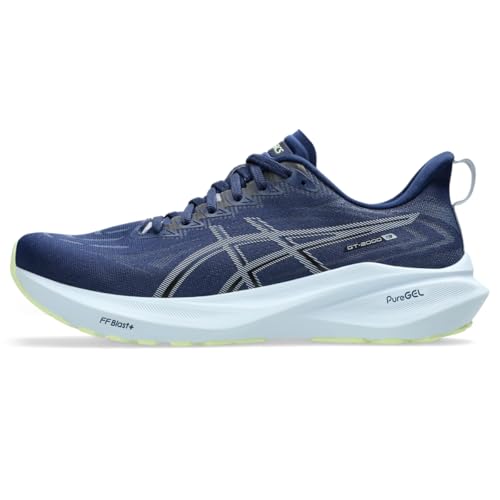
The GT-2000 13 uses a 3D GUIDANCE SYSTEM to provide adaptive stability through platform geometry and controlled deformation. A jacquard mesh upper offers breathable support, while the shoe also emphasizes sustainability with recycled upper content and dyeing process reductions that lower water usage and carbon emissions compared to conventional methods.
Brooks Adrenaline GTS 25: Updated Support And Comfort

The Adrenaline GTS 25 builds on its predecessor with an enhanced GuidERails system and soft, dynamic DNA Loft v3 cushioning. This model aims to deliver a smoother ride with reliable support for runners who need minimal distractions from motion control. It remains a solid choice for daily training and longer sessions that demand stability and comfort.
Buying Guide: Key Purchase Considerations For Overpronation
- Stability technology: Look for models with GuideRails or similar holistic support that realigns movement without rigidly constraining the foot. This tends to offer a more natural feel while reducing inward roll.
- Cushioning balance: Prioritize a balance between cushioning and support. Brands like Brooks and Saucony often pair plush midsole foams with guided systems to maintain comfort over long miles.
- Upper and fit: Jacquard or mesh uppers improve breathability and comfort. Ensure the shoe accommodates wider or medium foot anatomy if that is your baseline fit.
- Weight and ride: Heavier stability shoes can feel more supportive but slower. If speed matters, seek models with responsive foams and lighter constructions without sacrificing stability.
- Durability and use case: Consider whether you need a daily trainer, long-run trainer, or a mix. Some shoes emphasize diabetic-friendly design or sustainability features, which may influence long-term use and maintenance.
- Sizing guidance: If you’re between sizes, try half to full size up, especially for models noted to run small.
- Testing guidance: If possible, test stability shoes with the type of surface you train on (roads, light trails) to observe heel lockdown and arch support behavior in real-world use.