Finding a reliable road bike GPS computer helps you ride smarter, train more effectively, and stay on course during long climbs. The following selections cover compact navigation, durable outdoor performance, and feature-rich metrics to suit varied riding styles. Read on to compare top picks, their core strengths, and buying considerations.
Quick Product Summary
| Product | Brand | Key Strengths |
|---|---|---|
| Garmin Edge 540 | Garmin | Advanced navigation, adaptive coaching, long battery life, compatibility with power meters |
| CYCPLUS GPS Bike Computer | CYCPLUS | Automatic backlight, high battery capacity, IPX6 waterproof |
| GEOID CC600 | GEOID | Color screen, colorful navigation, automatic re-routing, fast WiFi & Bluetooth updates |
| iGPSPORT BSC300T | iGPSPORT | Large touchscreen, multiple modes including off-road, strong satellite support |
| Bikevee GPS | Bikevee | Long battery life, auto start/stop, clear display |
Garmin Edge 540: Compact GPS Cycling Computer

The Garmin Edge 540 is a compact, button-controlled GPS cycling computer designed for riders who want precise navigation without sacrificing screen real estate. It supports advanced routing and performance tracking, along with cycling awareness features and smart connectivity. In demanding use cases, battery life reaches up to 26 hours, while battery saver mode can extend to about 42 hours. When paired with compatible power meters and heart rate monitors, you can view daily suggested workouts on screen. Personalized coaching adapts to your training load and recovery, helping you optimize performance across rides and events.
CYCPLUS GPS Bike Computer

The CYCPLUS GPS Bike Computer offers a wireless setup with an automatic backlight and a large, durable battery. It highlights dynamic GPS positioning for accurate route tracking, ride time, distance, speed, altitude, and more. The backlight uses FSTN technology for improved readability in sunlight, and the screen is protected by tempered glass against scratches. With IPX6 waterproofing and a long-lasting 1200 mAh battery, this device is built for rainy rides and extended sessions, delivering up to roughly 55 hours of continuous use in typical scenarios.
GEOID CC600 Color Screen Bike Computer

The GEOID CC600 introduces a vibrant 2.4-inch color display with an intuitive three-button layout. It provides colorful navigation with turn reminders and automatic re-routing when you upload external GPX files through the companion app. WiFi and Bluetooth transmission enable quicker firmware updates and seamless data transfers, reducing downtime between rides. The device aims to simplify route planning and on-the-fly navigation for road cyclists who value clear visuals and reliable connectivity.
iGPSPORT BSC300T Wireless Bike Computer
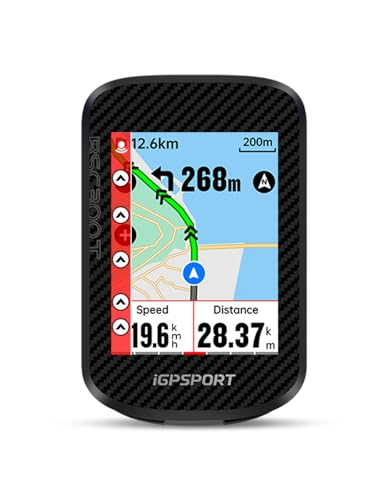
The iGPSPORT BSC300T combines a touchscreen interface with a 2.4-inch display and a rugged wireless design. It supports multiple bike modes, including road and mountain bikes, and can even display power metrics for compatible setups. The device features five-satellite GPS coverage (GPS, Beidou, GLONASS, Galileo, QZSS) for faster positioning and enhanced data accuracy. It’s well-suited for riders who want a simple-to-use device without sacrificing the breadth of navigational data.
COOSPO Bike Computer GPS Wireless CS600

The COOSPO CS600 features a bright 2.4-inch color touchscreen with auto-backlight that adapts to ambient light conditions. It combines precise GPS tracking with GLONASS, ensuring accurate speed, distance, and route data. Built-in route navigation helps you explore new roads, and breadcrumb trails keep you on course even when you stray. The device supports Bluetooth and ANT+ connectivity for sensor integration and firmware updates, making it a versatile option for riders who want a feature-rich but user-friendly computer.
COOSPO CS600 Color Touchscreen GPS Bike Computer

The COOSPO CS600 offers a 2.4-inch high-resolution color touchscreen with auto-backlight and robust GPS support via GPS and GLONASS. It emphasizes precise data collection for speed, distance, and time, and provides built-in route navigation. Users can upload routes or use breadcrumb navigation to stay on track. The CS600 is designed for riders who want a reliable, bright display and dependable navigation in a compact package, with the added benefit of Bluetooth and ANT+ compatibility for sensor connections.
Buying Guide: Key Purchase Considerations
- Display quality and readability: A bright, high-contrast screen with configurable backlight is essential for day and night visibility, especially on sunny roads or misty mornings.
- Navigation and routing: Look for turn-by-turn guidance, re-routing if you go off course, and the ability to upload GPX routes from popular apps like Strava or Komoot.
- Battery life: For long training rides or multi-day events, prioritize devices with extended battery life in both normal and battery saver modes.
- Sensor compatibility: If you use a power meter or heart rate monitor, ensure the device supports ANT+ and Bluetooth connections to collect accurate training data.
- Display size and controls: Decide between touchscreen and physical button interfaces. Buttons can be easier to operate with gloves, but touchscreens offer more data at a glance.
- Water resistance and durability: IP ratings (IPX7, IPX6) and rugged construction help with weather resistance and long-term reliability.
- Data compatibility: Confirm that the device can export or sync activities with your preferred training platforms (Garmin Connect, Strava, TrainingPeaks, etc.).
- Updates and ecosystem: Some brands provide frequent firmware updates and ecosystem advantages (community routes, coaching plans, seamless device-to-phone sync).
- Price-to-feature balance: Consider which features you truly need—navigation depth, coaching, or raw data metrics—and compare across models to maximize value.
What to Consider By Riding Style
Racers who prioritize compact devices may prefer the Garmin Edge 540 for its deep navigation capabilities and adaptive coaching. Weekend warriors who ride in variable weather might choose models with robust waterproofing and long battery life, such as the CYCPLUS or GEOID CC600. If you value a large, colorful display and straightforward route planning, the GEOID CC600 or COOSPO CS600 can be strong fits. For riders who rely on multiple sensors, ensure ANT+ compatibility to future-proof your setup.
Connectivity And Ecosystem Options
Many devices support seamless syncing with mobile apps, which helps you manage routes and review performance after rides. A few models offer automatic firmware updates, one-touch navigation, and easy route sharing. Consider whether you want an open platform that supports third-party routes or a more integrated experience within a specific brand’s ecosystem.
Durability And Everyday Use
Ruggedness matters for road cyclists who face rain, road spray, and exposure to the elements. IP ratings, splash resistance, and glass protection are meaningful indicators of durability. Additionally, consider how the unit attaches to your handlebar setup and whether its controls are easy to operate when you’re in motion.
Overall, the best road bike GPS device depends on your emphasis—navigation depth, screen usability, battery life, or sensor integration. The listed models offer a mix of compact design, color displays, and robust navigation features to help you ride with confidence on every road.