Finding the right Muay Thai punching bag depends on your training goals, space, and preferred feel. This guide aggregates top-rated options, detailing construction, fill, and durability to help you choose a bag that matches your kicking, knee, and elbow work. Each product below is selected for quality, relevance to Muay Thai technique, and longevity for serious at-home or gym use.
Summary of chosen products:
- Meister 110lb Filled Muay Thai Heavy Bag (6 ft) — Professional-grade density, banana design.
- Fairtex HB6 6 Ft. Banana Bag — Durable synthetic leather, versatile Muay Thai configuration.
- Ringside 100-Pound Muay Thai Heavy Bag — Durable, versatile for multiple combat sports.
- Meister 100lb Filled Heavy Bag (60 in) — Gym-quality, balanced for boxing and Muay Thai.
- Muay Thai Heavy Bag (130 pounds) — USA-made, shipped filled, no D-ring requirement.
Meister 110lb Muay Thai Heavy Bag — 6ft Pro Grade

The Meister 110lb Filled Muay Thai Heavy Bag combines pro-grade density with a long 72-inch length and a 13-inch diameter, making it a banana-style bag well-suited for full-range Muay Thai work. The bag is filled with 100% packed textiles to achieve consistent rebound and a surface that responds predictably to punches, elbows, and knees. The thick military-grade textured vinyl cover protects against abrasion from bare-knuckle or thin gloves, delivering a durable strike surface ideal for advanced training. At 110 pounds, it provides substantial resistance for power development while remaining manageable for home gyms with ceiling height constraints.
Fit and finish emphasize durability and performance, with a design that accommodates a variety of strikes without excessive rope pull or shifting. The bag is designed for professional use, and the density helps athletes practice precise technique and footwork. If you want a heavy bag that preserves a true Muay Thai feel across rounds, this Meister model offers solid value and reliability for dedicated practitioners.
Fairtex HB6 6 Ft. Banana Bag
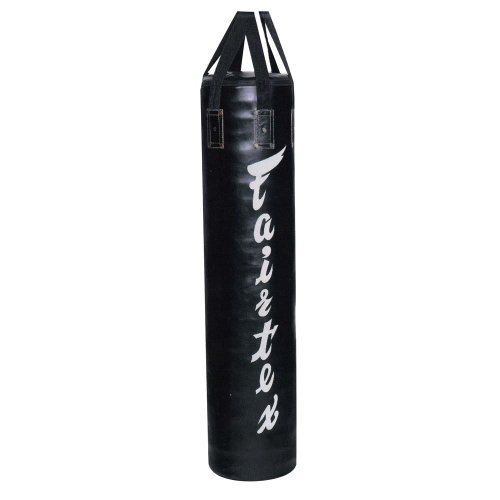
The Fairtex HB6 bag features a 6-foot banana shape, designed to accommodate a wide range of Muay Thai, boxing, and kickboxing techniques. Crafted from high-quality synthetic leather, it combines durability with a long service life, making it a go-to option for both home gyms and professional studios. The unique shape supports kicks, knees, and clinch work while maintaining an even distribution of impact for consistent training feedback. Secure hanging straps and a swivel system simplify installation and ensure stable operation during high-volume sessions.
Key attributes include robust construction, a shape tailored for fluid Muay Thai movements, and straightforward maintenance. This bag is a versatile choice for athletes who want to practice a broad mix of strikes, transitions, and footwork without changing bags between sessions. It’s well-suited for users seeking a balance between cost, performance, and durability in a mid-to-large training setup.
Ringside Muay Thai Heavy Bag — 100 Pounds
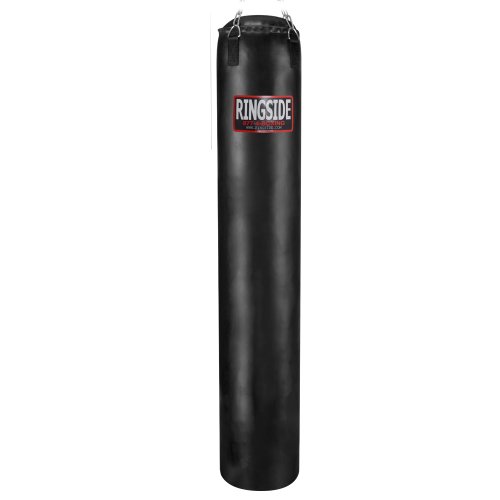
The Ringside 100-Pound Muay Thai Heavy Bag emphasizes durability and versatility. With a rugged construction designed to maintain a consistent shape through frequent training, this bag is suitable for Muay Thai, boxing, MMA, kickboxing, and general striking practice. Its 72-inch height and 13-inch diameter deliver a spacious striking surface that supports long-range punches, low kicks, elbows, and knee work. The bag’s design emphasizes resilience against repeated impacts, making it a practical long-term investment for both home gyms and commercial studios.
Ringside notes its bag as a solid all-around choice for athletes who want a dependable heavy bag capable of supporting daily training cycles. The balance between density and surface resilience helps players refine their technique while building power and precision. A reliable option for Muay Thai-specific routines or mixed-discipline routines, especially where a versatile, heavy bag is preferred over multiple bags.
Meister 100lb Filled Heavy Bag — 60 Inches

This Meister model provides a 60-inch long, 14-inch diameter heavy bag focused on boxing, MMA, and Muay Thai. The bag is filled to deliver a balanced density that responds well to punches, kicks, elbows, and knees. Its gym-grade construction uses a thick, textured vinyl surface designed to tolerate high-intensity sessions and long-term use in both home and commercial environments. The design aims to strike a balance between weight and height to accommodate a wide range of striking angles and target zones, making it a flexible choice for comprehensive Muay Thai training routines.
Built to endure repeated training cycles, this bag suits athletes who want a single bag capable of supporting varied drills—from precision punching to dynamic kicking sequences. The 60-inch length assists in practicing extended combinations and footwork patterns, aligning well with typical Muay Thai session structures that include varied target areas and movement drills.
Muay Thai Heavy Bag (130 lbs) — Made in the USA
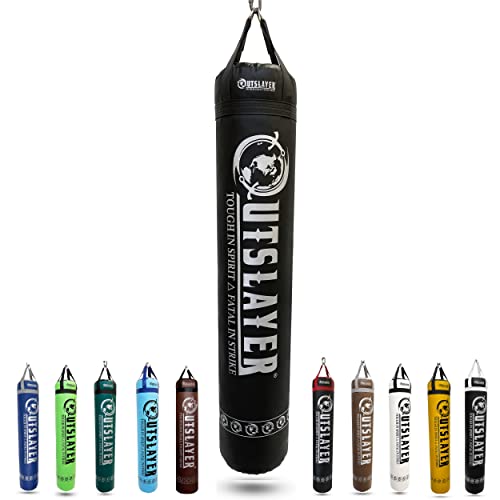
This Outslayer Muay Thai Heavy Bag is a USA-made option that ships filled at 130 pounds. It does not require a D-ring and is designed to deliver stable performance for Muay Thai and other combat sports. The filled design ensures a consistent feel and reliable rebound, supporting heavy strikes with minimal bag shift during sessions. The 130-pound weight is ideal for experienced practitioners who require high resistance for power development, as well as for gym environments hosting regular Muay Thai classes and sparring rounds.
The bag’s construction emphasizes resilience and consistent performance across sessions, offering a reliable platform for practicing long combos, clinch transitions, and knee work. For athletes prioritizing a ready-to-train bag with a dense impact surface and straightforward maintenance, this model provides a strong balance of durability and training fidelity.
Buying Guide: Key Purchase Considerations And Comparisons
- Weight and density: Heavier bags (100–130+ pounds) deliver more resistance for power development, while lighter bags allow quicker, more precise technique work. For Muay Thai, aim for a bag that encourages controlled power without excessive rebound that could damage joints.
- Bag shape and size: Banana or long-teardrop designs help with knee and elbow work, whereas cylindrical bags support varied punching angles. Consider ceiling height and the space needed to swing through full range of motion.
- Fill material: Bags filled with textiles provide consistent density; unfilled bags offer customization but require you to fill them yourself. Pre-filled bags save setup time but may differ in density than your preference.
- Cover material: Nylon, vinyl, and synthetic leather each have pros and cons. Military-grade vinyl and reinforced stitching improve durability in high-volume gyms, while synthetic leather can offer a balance of cost and longevity for home use.
- Mounting and hardware: Check for sturdy hanging straps, D-rings, or mounting hardware. Some models include chains and swivels, which help reduce bag sway and improve balance during heavy strikes.
- Maintenance: Wipe down after sessions, address any seam wear promptly, and ensure the bag remains level and properly supported. Easy-clean surfaces extend bag life in shared spaces or hot environments.
- Intended use: If you practice a wide mix of Muay Thai, boxing, and MMA, a versatile bag with solid density and a large striking surface may reduce the need for multiple bags.
- Value and warranty: Consider the total cost of ownership, including fill, replacement parts, and any included accessories. A bag backed by a solid warranty often indicates higher long-term reliability.
In choosing a Muay Thai heavy bag, weigh your training priorities: sustained knee work, elbow strikes, and long combinations require different surface feedback than sharp punch work. For home gyms with ceiling limits, a bag in the 6-foot to 6.5-foot range offers practical reach without crowding the space. If you’re training in a commercial setting, look for professional-grade density, durable covers, and reliable mounting hardware to withstand high-frequency use.