For serious strength training at home, a pro-grade weight bench is a cornerstone piece of equipment. The following selection prioritizes stability, versatile incline/decline options, and compatibility with other adds like racks and smith machines. Each entry includes core features, build quality, and safety considerations to help you compare performance and value across premium benches.
| Product | Brand | Key Strengths |
|---|---|---|
| Keppi 1200LB Weight Bench, Bench1000 PRO | Keppi | High weight capacity, multiple angles, removable foot catch |
| FLYBIRD Adjustable Weight Bench 800LBS | FLYBIRD | Wide angle range, solid frame, ASTM-certified |
| KeppiFitness Weight Bench Bench6000 | Keppi Fitness | 1500 lbs capacity, multi-angle, compact design |
| Body-Solid Pro Clubline Adjustable Bench | Body-Solid | Multiple incline/decline, transport wheels |
| Marcy PM-5108 Cage System with Weightlifting Bench | MARCY | All-in-one cage and bench, versatile exercises |
Keppi 1200LB Weight Bench, Bench1000 PRO

The Bench1000 PRO from Keppi targets professional-grade home gyms with a high 1200-pound capacity. It’s ASTM and EN20957 certified, signaling adherence to stringent material and performance standards. With 36+ setting combinations, users can customize incline, decline, and flat positions to fit diverse routines—from bench presses to accessory movements. An adjustable, removable foot catch supports decline movements while maintaining stability, and soft foam cushions protect legs during intense sessions. This bench emphasizes stability and long-term durability for frequent lifters in a home context.
RitFit M1 Pro Smith Machine Package

While focused on a smith machine package, this unit integrates a weight stack system, a sturdy power cage, and a bench, offering an all-in-one solution for serious home lifters. Built with heavy-duty steel uprights and multiple adjustment holes, it provides flexibility to perform a wide variety of exercises while preserving safety. The integrated cable crossover and adjustable safety components expand potential workouts beyond traditional bench pressing, making it a strong platform for full-body strength training at home.
FLYBIRD Adjustable Weight Bench

FLYBIRD’s 800-pound rated bench balances robustness with a compact footprint. Its 144 adjustable positions span from -30° to 90°, enabling flat, incline, decline, and upright work for chest, shoulders, and core. A 30-inch backrest and a 15.7-inch seat pad provide stable contact points, reducing arching during heavy pressing. The frame uses an elongated steel design with a dual-triangle structure and a double-locking mechanism. Overall, it’s designed to deliver reliable performance for both novices and experienced lifters in a home gym setting.
Body-Solid Pro Clubline Adjustable Bench
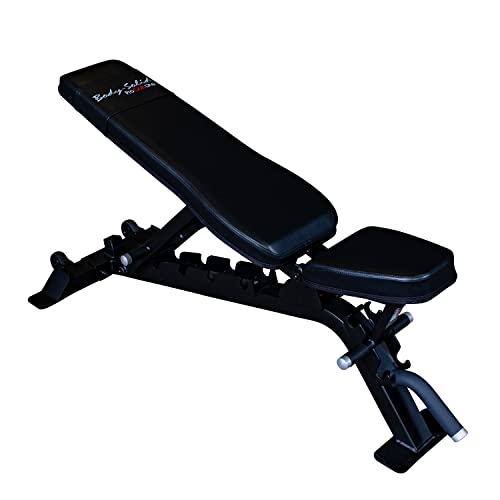
The Body-Solid Pro Clubline Adjustable Bench emphasizes versatility and mobility within a compact footprint. It supports multiple incline and decline positions with independent seat and back pad adjustments, enabling comprehensive upper- and lower-body movements. Built to accommodate commercial-style workloads, it features transport wheels for easy relocation and storage, which is helpful in home gyms that prioritize space efficiency. The bench’s design integrates well with power racks and free-weight setups for a cohesive workout area.
Marcy PM-5108 Cage System With Bench
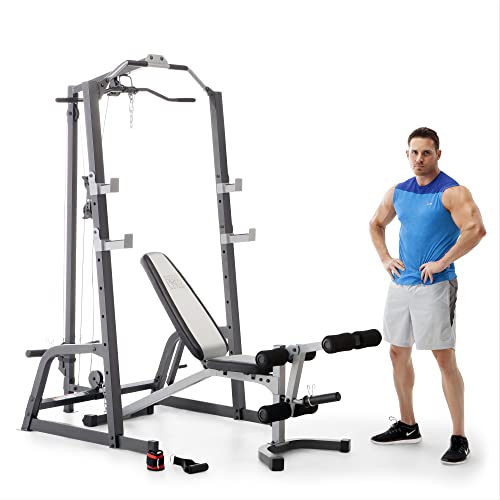
Marcy’s PM-5108 combines a heavy-duty cage with an included bench to deliver an all-in-one home gym solution. The unit features oversized 14-gauge square tubing, a guided weight trolley, and adjustable multi-position bench components. This setup enables classic squat and bench movements, plus cable-based exercises via integrated pulley systems. It’s designed for multi-user homes and spaces where a single machine must handle a broad range of strength routines without requiring additional standalone benches or cages.
Buying Guide: Key Considerations For Pro-Grade Benches
- Weight capacity and stability: Look for benches rated for at least 800–1500 lbs to accommodate progressive overload. Non-slip feet, wide base, and solid welds improve stability under heavy lifts.
- Adjustability and range of motion: A wide array of incline, flat, and decline positions expands exercise variety. For safety, independent back and seat pad adjustments help maintain proper form across angles.
- Foot support and safety features: Removable foot catches or leg hold-downs aid decline movements and reduce shifting. Soft cushions prevent skin and shin injuries during intense sets.
- Compatibility with racks and cages: If you plan to pair the bench with a power rack or smith machine, ensure compatible attachment points and spacing. Some models offer integrated cage systems for a compact setup.
- Space, weight, and storage: Consider weight and footprint, plus whether built-in transport wheels simplify repositioning.
- Materials and durability: Look for steel frames with reinforced joints and quality upholstery. ASTMF/EN20957 certifications indicate adherence to industry standards for fitness equipment.
- Maintenance and warranty: A robust warranty and accessible replacement parts reduce long-term ownership costs. Regularly check bolts and upholstery for signs of wear.
- Multi-user and home-use balance: For households with multiple users, a bench with broad adjustment and durable components offers greater longevity and value.
Performance Scenarios And User Considerations
For home lifters focusing on bench presses, incline and decline versatility directly impact training variety and progress. Benches with integrated foot supports help stabilize decline movements, reducing risk during heavy sets. If you expect to repurpose the bench for cable or rack work, prioritize models that align with standard rack heights and offer compatibility with optional add-ons like lat pulldown stations or cable crossover systems.
Those training for powerlifting or Olympic lifts may favor benches with higher weight capacities and firmer, more supportive backrests. Conversely, users prioritizing space efficiency might lean toward multi-functional cages with an attached bench, reducing the total footprint. Always assess the bench’s build quality, padding comfort, and user feedback to balance performance with long-term reliability.
In practice, the strongest options in this lineup emphasize stability, wide angle ranges, and safety features. The combination of high-capacity frames, adjustable supports, and thoughtful cushioning enables a broad spectrum of strength training—from heavy bench work to accessory movements and safe decline patterns. Review your home gym layout to determine how a pro-grade bench will fit with existing equipment and future expansion plans.