Non motorized dog treadmills offer a low-maintenance, quiet way to help dogs burn energy indoors. These models rely on a dog’s own effort, promoting natural pacing and reducing noise and upkeep compared with electric machines. In this guide, five top non-electric or self-driven options are highlighted, each designed to fit different dog sizes, living spaces, and activity goals. Use the quick table below to compare key details and then explore in-depth product sections to find the best match for your pet.
| Brand | Model | Capacity | |
|---|---|---|---|
| Albott | Non-Motorized Indoor Slatmill | Up to 330 lbs | Pace-Adjustable Hand Brake |
| Moysoon | Indoor Non-Electric Slatmill | Up to 300 lbs | Self-Driving, Dog-Driven Track |
| CATWEST.art | Non-Electric Slatmill | Up to 300 lbs | Non-Electric, Weatherproof |
| PawPaw’s | Non-Electric Dog Treadmill | Large to Extra Large breeds | Brake and Indoor/Outdoor Use |
| Sunny Health & Fitness | Smart Manual Walking Treadmill SF-T1407SMART | 300 lb | Manual, Foldable, Bluetooth App |
Below are five carefully selected non motorized or self-driven dog treadmills. Each section includes a clickable Amazon link, an image, key features, and a concise overview to help you compare options quickly.
Albott Non-Motorized Indoor Slatmill

Designed for large and medium dogs, this Albott model leverages a pace-adjustable hand brake to give owners total control. It operates without a motor, encouraging natural pacing and reducing maintenance. The enlarged slat running surface supports heavier breeds and promotes consistent movement in indoor settings, making it suitable for rainy days or limited outdoor access. Key safety features include a brake mechanism that allows quick speed reduction as needed.
Moysoon Indoor Slatmill For Dogs

This large/medium dog treadmill uses a non-electric, self-driving design that lets the dog determine the track pace. A brake hand control offers immediate speed adjustments, enhancing safety during exercise sessions. The unit is designed for indoor use and features quiet rollers to reduce noise, creating a calm environment for dogs and owners alike. The setup supports up to about 300 pounds, balancing durability with user-friendly operation.
Petbobi Non-Electric Dog Treadmill
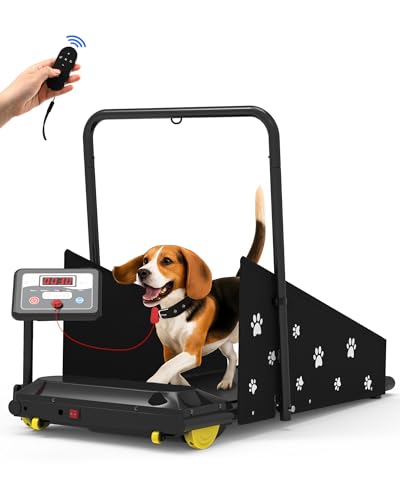
Petbobi’s model emphasizes a 360° rotatable display and a remote-controlled experience, though it remains non-electric in its core design. The enclosed side panels and top leash ring boost stability and safety during indoor workouts. It operates quietly, catering to dogs with sensitive hearing and making it suitable for apartments or home offices. The treadmill is designed for small to medium dogs, supporting controlled, calm activity with easy supervision.
CATWEST.art Non-Electric Slatmill

This dog treadmill for large and medium dogs emphasizes an electric-free design, letting dogs drive the pace themselves. Its weatherproof construction supports indoor and outdoor use, enabling consistent exercise regardless of climate. The unit emphasizes safety and reduces ongoing maintenance compared with motorized options, making it a practical solution for households seeking durable, low-noise dog exercise equipment.
PawPaw’s Non-Electric Dog Treadmill
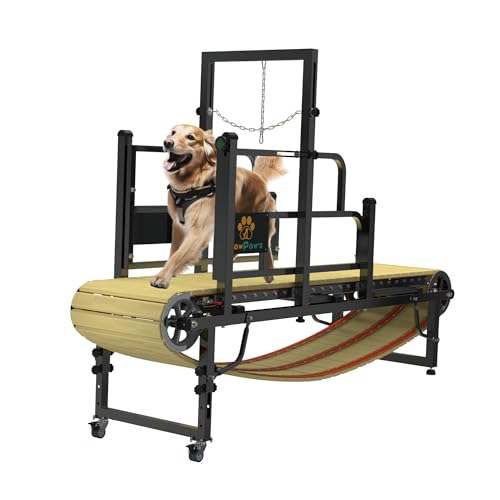
PawPaw’s model highlights a brake system and a focus on indoor/outdoor versatility. The non-electric design allows dogs to walk or run at their own pace, with owners guiding quickly using treats. This setup provides a simple, interactive option for busy households seeking flexibility in where and how dogs exercise, emphasizing safety and ease of use in daily routines.
Sunny Health & Fitness Manual Walking Treadmill

Sunny Health & Fitness offers a compact, foldable manual treadmill with a fixed incline and a digital monitor for basic tracking. Although marketed for human use, it serves as a useful companion for dogs at lower speeds during controlled walking sessions or as part of a broader indoor exercise routine. The dual flywheel and low-noise design support quieter operation in shared living spaces.
Buying Guide: Key Considerations For Non Motorized Dog Treadmills
- Dog size and weight capacity: Choose a model that supports your dog’s weight and height to ensure safe stride and stable movement.
- Drive mechanism: Non-electric treadmills rely on the dog’s own energy; self-driven designs let dogs control pace, while brake-assisted models provide quick adjustments for safety.
- Surface and stability: Look for a padded, grippy running surface and sturdy frame. Enclosed side panels and anti-slip feet help prevent wobble during use.
- Indoor suitability: Consider space requirements and whether the unit can be used indoors, outdoors, or both. Weatherproof designs add versatility for sheltered outdoor use.
- Noise and distraction: Low-noise rollers and quiet operation reduce stress for dogs with sensitive hearing, improving focus during workouts.
- Safety features: Brakes, safety keys, and protective covers minimize risk during entry, exercise, and dismounting. Leash rings and barriers can aid supervision.
- Maintenance and setup: Non-electric units typically require less maintenance than motorized treadmills. Check for foldability and easy storage in smaller homes.
- Tracking and data: Some models offer basic metrics or remote controls to monitor progress, which can help maintain a consistent exercise plan.
- Terrain compatibility: For dogs with joint concerns or aging pets, ensure the incline and surface are adjustable to offer gradual progression.
- Replacement parts availability: Confirm that spares (slats, rollers, brakes) are accessible if needed for long-term use.
When selecting, align the treadmill’s capabilities with your dog’s energy level, living space, and daily routine. Non motorized options emphasize safe pacing, simple maintenance, and quiet operation, while self-driven designs empower dogs to lead their workouts. If you need more structured tracking, pairing a non-electric model with a simple at-home activity log can help monitor improvements in stamina and weight management over time.