Building muscle with non-dairy protein powders offers options for athletes avoiding dairy while still fueling recovery and growth. This guide evaluates five top picks across beef protein isolates, vegan blends, and dairy-free blends, focusing on protein content, ingredient quality, and recovery support. Each section links to an Amazon product page for quick comparison and purchase.
Summary of Selected Products
| Product | Protein per Serving | Type | Diet Compatibility | Notable Benefit |
|---|---|---|---|---|
| MuscleMeds Carnivor Beef Protein Isolate | 23 g | Beef Protein Isolate | Non-dairy, Lactose-Free | Highly concentrated protein source |
| Orgain Organic Vegan Protein Powder | 21 g | Plant-Based | Vegan, Non-GMO | Prebiotic fiber support |
| OWYN Only What You Need Pro Elite | 30 g | Vegan Protein Blend | Allergen-Free (gluten, dairy, soy) | Comprehensive greens and probiotics |
| Grass Fed Beef Protein Powder (Peak Performance) | ~20 g | Beef Protein Isolate | Non-Dairy, Paleo/Carnivore | Beef-based muscle support |
| Optimum Nutrition Gold Standard Plant Based | 24 g | Plant-Based | Vegan, Gluten-Free | Pea, rice, and fava bean blend |
These options span dairy-free protein profiles, enabling muscle-building routines without lactose or dairy ingredients. The table helps identify diversified sources—from beef isolates to vegan blends—each with unique benefits for recovery, digestion, and everyday training demands.
MuscleMeds Carnivor Beef Protein Isolate
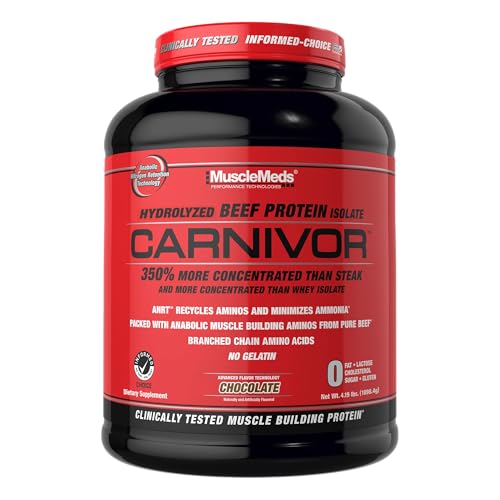
The world’s first beef protein isolate offers a highly concentrated protein source engineered to support muscle building and rapid recovery. Lactose-free and sugar-free, it provides 23 grams of protein per serving and is marketed as a strong option for athletes seeking a non-dairy alternative. The formulation emphasizes efficient amino acid recycling to aid muscle repair after intense training.
Orgain Organic Vegan Protein Powder, Vanilla Bean
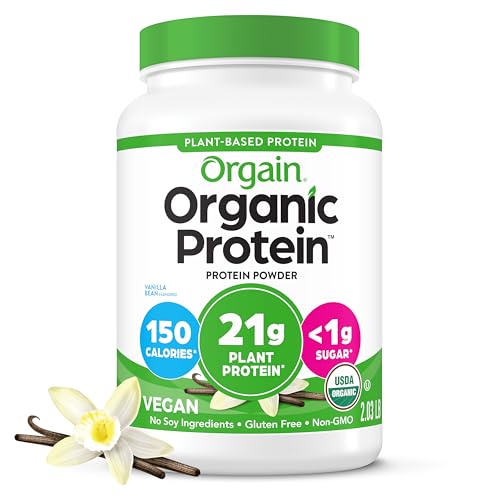
Orgain’s organic vegan protein blends plant-based protein sources—peas, brown rice, and chia—providing 21 grams of protein per serving with 6 grams of prebiotic fiber. The formula emphasizes clean ingredients, no lactose, no added sugar, and a certified organic, non-GMO profile. It’s designed for shake-prep and smoothie use while supporting gut health through prebiotic fiber.
OWYN Only What You Need Pro Elite High Protein Powder

This premium vegan protein powder delivers 30 grams of plant protein per serving with zero sugar and 10 vitamins and minerals. It includes omega-3s and a greens blend, plus probiotics, to support recovery and gut health. It’s dairy-free, soy-free, gluten-free, egg-free, and non-GMO, appealing to athletes seeking a comprehensive, allergen-conscious protein option.
Grass Fed Beef Protein Powder (Peak Performance)
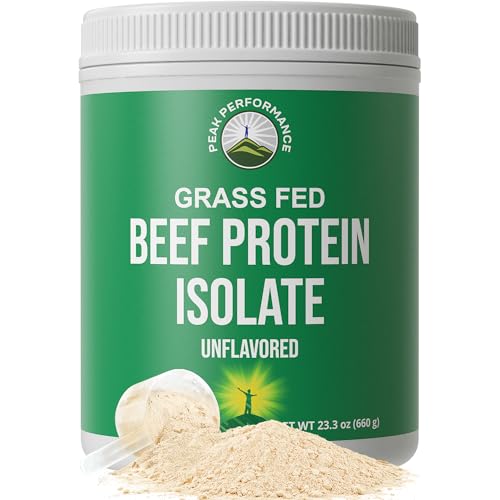
Peak Performance offers a lactose-free beef protein isolate with a focus on whole-food amino acids from real beef. The product highlights a flavor-oriented approach, aiming to blend easily into shakes or recipes. It positions itself as a strong choice for those seeking an animal-based, dairy-free protein that supports lean muscle gains without traditional dairy proteins.
Optimum Nutrition Gold Standard Plant Based Protein Powder

Optimum Nutrition’s plant-based blend combines pea, rice, and fava bean proteins to deliver 24 grams of protein per serving. This product emphasizes quality ingredients, a smooth taste profile, and support for muscle recovery and growth. It’s gluten-free and vegan-friendly, making it a versatile option for athletes with dairy sensitivities or those following a plant-forward diet.
Buying Guide: Non-Dairy Protein Powder for Muscle Building
Key factors to consider when selecting a non-dairy protein powder include protein quality and source, amino acid profile, digestibility, and overall fit with training goals. Below are multiple perspectives to help you compare options effectively.
- Protein source and completeness: Beef isolates provide a complete amino acid profile and high protein density per scoop. Plant-based blends rely on combining multiple plant proteins to achieve a complete amino acid profile. Evaluate whether the product lists all nine essential amino acids and includes BCAAs.
- Digestibility and allergen considerations: If lactose, dairy, or soy sensitivities exist, choose dairy-free formulas that are explicitly labeled gluten-free, dairy-free, and non-GMO. Probiotics or prebiotic fibers can support gut comfort and digestion for some users.
- Calories, sugar, and net carbs: Look for products with minimal or zero sugar if you’re monitoring carbohydrate intake. Some dairy-free options include added greens, omega-3s, or extra vitamins and minerals that can complement a training plan.
- Protein per serving and serving size: Higher protein per scoop can help with recovery and satiety, but consider total daily protein targets, meal timing, and appetite. Some athletes prefer 20–30 g per serving depending on body weight and training intensity.
- Taste, texture, and mixability: Flavor variety and smoothness influence adherence, especially for smoothies or shakes used post-workout. Plant-based blends may have grainier textures, while beef isolates can have a stronger taste profile; flavor options like vanilla or chocolate are common.
- Usage scenarios: For workouts that require rapid amino acid delivery, faster-absorbing isolates may be beneficial. Some products include added greens, probiotics, or prebiotic fibers for broader health benefits beyond muscle building.
- Certifications and brand integrity: NSF Certified for Sport or USDA Organic labels can indicate quality assurance. Check for third-party testing and clear ingredient sourcing information when possible.
In summary, non-dairy protein powders offer diverse options to support muscle building and recovery. Depending on dietary preferences—beef-based isolates, vegan blends, or mixed plant proteins—athletes can choose products that align with nutrition goals, digestibility, and flavor preferences while avoiding dairy ingredients.