Finding the right hiking boots with solid ankle support can reduce fatigue and prevent injuries on rugged terrain. The following picks prioritize ankle stability, waterproofing, breathability, and durable outsoles. Each option below is geared toward American outdoors enthusiasts who tackle rocky, muddy, or sandy paths while keeping feet comfortable from trailhead to camp.
| Product | Brand | Key Benefit |
|---|---|---|
| NORTIV 8 Ankle High Waterproof Hiking Boots | NORTIV 8 | All-day comfort with shock-absorbent insoles |
| ARTOPEAK All-Terrain Hiking Boots | ARTOPEAK | Sand-proof gaiter and anti-slip outsole |
| NORTIV 8 Waterproof Hiking Boots Mid | NORTIV 8 | Protective toe cap and reinforced heel |
| SHULOOK Waterproof Hiking Boots | SHULOOK | Lightweight, breathable, waterproof membrane |
| Columbia Newton Ridge Plus II Waterproof | Columbia | Lightweight midsole with durable traction |
NORTIV 8 Ankle High Waterproof Hiking Boots

The NORTIV 8 Ankle High Waterproof Hiking Boots are designed for all-day comfort on long hikes. They feature removable, shock-absorbent insoles to support foot comfort and lightweight, flexible EVA midsoles to reduce fatigue. The rubber outsole offers strong traction, making them suitable for wet, muddy, and uneven surfaces. A waterproof membrane helps keep feet dry, enhancing comfort on rainy or damp days. These boots emphasize stability for ankle protection, ideal for hikers who navigate mixed terrains.
ARTOPEAK All-Terrain Ankle Hiking Boots
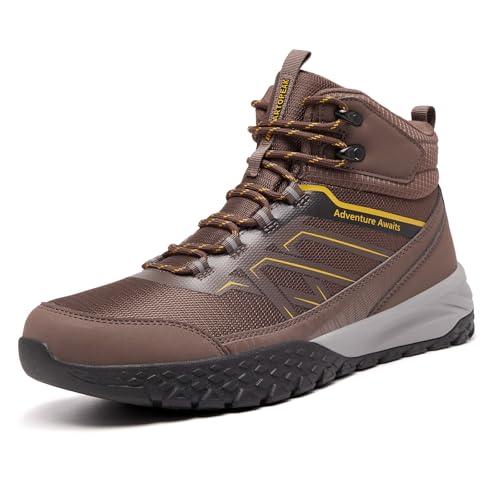
ARTOPEAK’s all-terrain hiking boots blend waterproof protection with an integrated gaiter that blocks sand, pebbles, dirt, and twigs. The hydrophobic upper combined with a moisture-wicking inner membrane helps feet stay dry and cool during long backpacking sessions. A deep, multi-directional lug outsole delivers excellent grip on slippery rocks and loose gravel. The design supports ankle stability, reducing the likelihood of twist injuries when navigating uneven desert or mud trails.
NORTIV 8 Waterproof Hiking Boots Mid

These NORTIV 8 mid-height hiking boots emphasize waterproof protection with a durable rubber outsole designed for multi-directional traction. A rubber toe cap and reinforced heel help prevent injuries on rocky trails, while suede leather contributes to wear resistance. The combination supports stability on rugged terrain and keeps moisture out, making them a practical choice for hikers who encounter streams or persistent damp conditions along the route.
SHULOOK Waterproof Hiking Boots

SHULOOK boots emphasize a lightweight, breathable design with a waterproof membrane to keep feet dry in wet weather. The closed-cell tongue reduces entry of rain, muck, and sand, while a lace-up system provides a secure, adjustable fit. The rugged exterior includes a protective toe area and a sealing structure for overall protection and comfort during long hikes in variable conditions.
Manfen Thermator Mid-Rise Boots

Manfen Thermator mid-rise hiking boots are built for warmth with a 200-gram insulation layer, enabling comfortable use in colder conditions. The DRY Membrane waterproof system, moisture-wicking mesh lining, and a cushioned EVA midsole work together to keep feet dry, warm, and fatigue-free. A 7mm multi-directional lug outsole provides improved traction on mixed terrain, contributing to reliable ankle support during long treks in chilly or damp climates.
Columbia Newton Ridge Plus II Waterproof

Columbia’s Newton Ridge Plus II combines waterproof full-grain leather with a breathable bootie construction for all-weather use. Its lightweight midsole and advanced traction rubber sole provide comfort and grip across uneven ground. The lace-up closure allows a secure, adjustable fit, supporting ankle stability on rocky or muddy trails. This boot balances durability with comfort, suitable for hikers who require dependable ankle support without extra weight.
Buying Guide: Key Purchase Considerations And Comparisons
- Ankle Support And Fit: Look for boots engineered with a structured collar and reinforced ankle area. Try different lacing patterns to ensure a snug midfoot hold without restricting circulation.
- Waterproofing vs. Breathability: Waterproof membranes help keep feet dry but can add warmth. For hot climates, prioritize breathable membranes or ventilated designs to avoid overheating.
- Outsole And Traction: Deep, multi-directional lugs stabilize footing on mud, loose gravel, and wet rocks. MD or rubber outsoles with good wear resistance extend boot life on rugged trails.
- Insulation And Temperature Range: If hiking in cold environments, consider insulation levels like 200g or higher. For milder weather, lighter insulation reduces bulk and heat buildup.
- Weight And Comfort: Lighter boots tend to reduce fatigue on long day hikes, but may compromise support. Balance weight with cushioning and midsole responsiveness to match trail demands.
- Durability And Materials: Full-grain leather and reinforced toe caps offer durability, while synthetic uppers reduce weight. Consider stitching quality and sole attachment for longevity.
- Maintenance And Care: Waterproof boots require reproofing over time. Cleaning after wet hikes helps preserve materials and waterproof performance.
When choosing boots for ankle support, prioritize stability, secure fit, and reliable traction. The options above provide a range of materials and features to meet varied climates and terrains, from desert trails to wet forest paths. Consider your typical hiking environment, distance, and season to select the best all-around option for your needs.