Choosing between magnetic and belt-driven exercise bikes depends on your goals, noise tolerance, and maintenance preferences. This guide highlights five popular models that balance performance, quiet operation, and value, helping you decide which technology suits a home gym setup. Each product section provides core features, so you can compare how magnetic resistance stacks up against belt-driven systems in real-life use.
| Product | Drive Type | Weight Capacity | Notable Feature |
|---|---|---|---|
| YOSUDA PRO Magnetic Exercise Bike | Magnetic | 350 lbs | Hyper-quiet magnetic drive |
| Sunny Health & Fitness SF-B1709 | Magnetic Belt Drive | — | 13-level resistance with RPM sensor |
| WENOKER Magnetic Resistance Bike | Magnetic | — | Inertia-enhanced, updated bearing system |
| pooboo Stationary Bike | Belt Drive with Magnetic Resistance | 300 lbs | Silent belt drive with adjustable fit |
| Sunny Health & Fitness SF-B1986 Evolution Pro II | Magnetic Belt Drive | — | Advanced monitor and clip-in pedals |
Below are five selections that illustrate how magnetic and belt-driven systems perform across common home-use scenarios, from quiet apartment workouts to high-demand routines. Each entry reviews accessibility, noise, stability, and user experience while avoiding price emphasis.
YOSUDA Pro Magnetic Exercise Bike

The YOSUDA Pro Magnetic Exercise Bike combines a heavy-duty, light-commercial frame with a 350 lbs weight capacity, designed for long-term use. Its magnetic drive minimizes mechanical noise, delivering a whisper-quiet ride suitable for living spaces. The bike’s build emphasizes stability and durability, with commercial-grade steel tubing and a solid base to reduce wobble during intense sessions. The magnetic system eliminates friction-based wear, contributing to smoother resistance changes across workouts. The setup supports steady cadence tracking and a comfortable seat for sessions of various lengths.
Sunny Health & Fitness SF-B1709 Magnetic Rear Belt Drive Indoor Cycling Bike
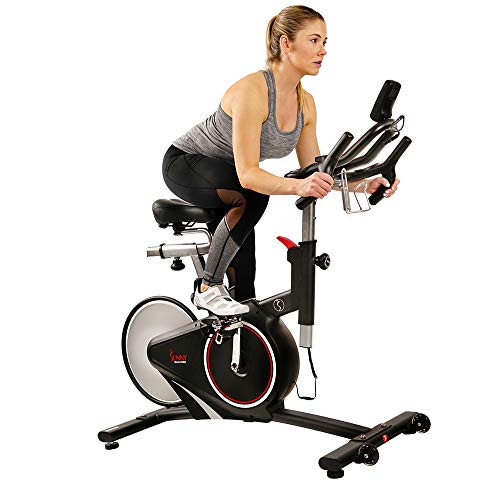
This model combines a magnetic resistance system with a belt drive, offering 13 resistance levels for quick, reliable changes. The belt drive provides a near-silent ride with low maintenance needs, while the magnetic component enables smooth ramping of resistance. Its digital display tracks speed, cadence (RPM), distance, and calories, enabling cadence-oriented workouts. The monitor’s cadence metrics help users balance effort and form, making it suitable for steady aerobic routines and interval training within a home gym context.
WENOKER Magnetic Resistance Stationary Bike
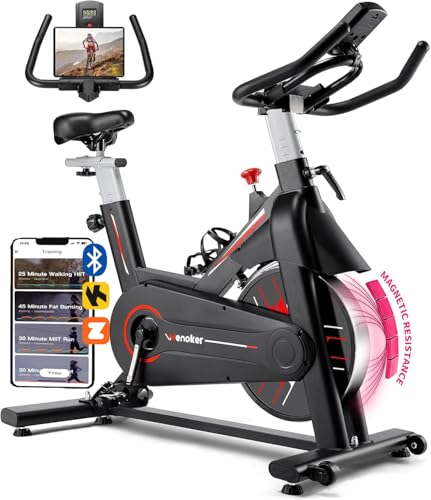
The WENOKER model emphasizes stability and quiet operation through an inertia-enhanced flywheel and ABS belt pulley design. The upgraded components reduce vibration and wear, promoting a smooth, consistent ride. Its magnetic resistance provides low-maintenance adjustments with minimal noise, making it well-suited for shared spaces. A robust frame and reliable bearings contribute to long-term durability, while the internal drive system minimizes belt-related interruptions, supporting longer, uninterrupted cardio sessions.
pooboo Stationary Bike with Magnetic Resistance

This pooboo bike delivers a belt-drive experience enhanced by magnetic resistance for smoother transitions. The 4-way adjustable seat and 2-way handlebar allow a customizable fit for different users, supporting comfort during longer workouts. The system aims for quiet operation at low to moderate resistance, with a design that prioritizes a stable ride and user-friendly controls. The included features such as a tablet mount expand entertainment options while exercising, supporting longer, adherence-friendly sessions.
Sunny Health & Fitness Evolution Pro II Magnetic Belt Drive Bike

The Evolution Pro II emphasizes advanced performance monitoring, combining a powerful 40 lb flywheel with magnetic and belt-drive elements for a balanced ride. The monitor tracks cadence, speed, distance, calories, and pulse, enabling data-driven workouts. Its pedal system supports caged or clip-in options, giving athletes flexibility in power transfer and form. The bike’s sturdy frame and stable base aim to minimize movement during high-intensity intervals, while magnetic resistance provides smooth, silent adjustments to difficulty levels.
Buying Guide: Key Considerations for Magnetic vs Belt-Driven Exercise Bikes
- Noise and space: Magnetic systems tend to run more quietly than belt-driven setups. If you share a living space, quieter models minimize disturbance during early-morning or late-night workouts.
- Maintenance: Magnetic resistance requires less ongoing maintenance than belt-driven systems, which may need belt alignment or replacement over time.
- Resistance feel: Some riders prefer the direct feel of belt drive for a more traditional road-bike feel, while magnetic systems offer smoother, steadier resistance changes with less inertia at lower speeds.
- Durability and weight capacity: Look for a solid frame and adequate weight capacity appropriate for your usage level. Heavier frames generally provide more stability at high resistance.
- Display and metrics: A clear display that tracks cadence (RPM), speed, distance, time, and calories helps structure workouts. Some models add heart rate or pulse tracking for more precise training zones.
- Adjustability: Ensure seat and handlebar adjustments accommodate your height and reach. A comfortable riding position is essential for longer sessions.
- Extras: Tablet mounts, water bottle holders, and accessory racks can enhance usability, especially for longer or more varied routines.
- Compatibility and updates: For bikes with app support, verify available features, Bluetooth compatibility, and whether the app offers guided workouts or online classes.
- Footwear and pedals: Check pedal types (toe cages vs. clip-in) and ensure they match your footwear preference and safety needs.
When evaluating magnetic versus belt-driven bikes, key trade-offs include noise level, maintenance needs, and the specific ride feel. Magnetic systems often excel in quiet, low-maintenance environments, while belt-driven configurations may offer a familiar road-bike sensation with robust direct-drive feedback. The models reviewed above illustrate how each approach can align with common home gym goals, from steady-state cardio to interval training, with attention to build quality, user comfort, and practical features.