Choosing the right hiking boots is essential for Kilimanjaro’s diverse terrain, from dusty trails to rocky ridgelines and wet, foggy mornings. This guide highlights five reliable boots that balance stability, waterproofing, and comfort, helping climbers manage mileage, altitude, and unpredictable conditions. Each pick offers distinct strengths, whether you prioritize rugged grip, breathable insulation, or ankle support for long days on the trail.
| Brand | Product | Key Strength | Size/Model |
|---|---|---|---|
| ASOLO | Fugitive GTX Hiking Boot – Men’s Wool/Black 10.5 | Waterproof, insulated comfort | 10.5 |
| Columbia | Newton Ridge Plus II Waterproof Hiking Boot | Durable midsole, strong traction | 11 |
| NORTIV 8 | Waterproof Hiking Boots Outdoor Mid Trekking | Waterproof membrane, rugged grip | 11 |
| Oboz | Bridger Mid B-DRY Hiking Boot | Proprietary insole, Trail Tread outsole | 12 |
| La Sportiva | Karakorum Mountaineering/Hiking Boots | Roughout leather, Vibram grip | 11 |
All five options provide solid performance in varied Kilimanjaro conditions, from wet rainforest at the base to craggy alpine zones. Read on for detailed product sections, then use the buying guide to compare fit, materials, and overall value for your specific trekking plan.
ASOLO Fugitive GTX Hiking Boot – Men’s Wool/Black
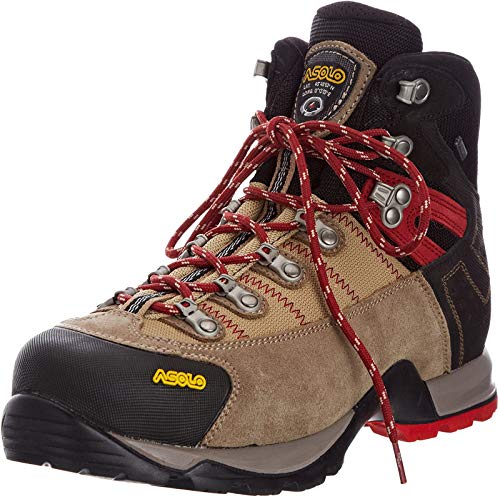
The ASOLO Fugitive GTX combines a water-resistant suede upper with Gore-Tex Insulated Comfort Footwear, offering weather protection and insulation for cooler Kilimanjaro mornings. Anatomic footbed supports alignment over long days, while the boot’s mid-height design provides ankle stability on uneven terrain. This model emphasizes warmth, moisture management, and a secure fit, making it a strong choice for altitude trekking where unpredictable weather is common.
Columbia Newton Ridge Plus II Waterproof Hiking Boot

This boot emphasizes comfort and versatility with a lightweight, durable midsole designed for long days on the trail. Waterproof full-grain leather and a breathable mesh bootie keep feet dry, while a reinforced tongue reduces debris intrusion. The lace-up closure allows a secure, adjustable fit, helping maintain foot control during slippery ascents or uneven rock sections on Kilimanjaro routes.
NORTIV 8 Men’s Waterproof Hiking Boots

These hiking boots offer a waterproof membrane to keep feet dry across muddy trails and occasional streams. A rubber toe cap guards against toe injuries, while a reinforced heel enhances stability and support. The suede leather upper provides durability, and the rugged outsole with multi-directional traction helps you respond confidently to varied terrain, including rocky switchbacks and wet slabs encountered on Kilimanjaro routes.
Oboz Bridger Mid B-DRY Hiking Boot

The Oboz Bridger Mid B-DRY centers on fit and comfort with a proprietary insole designed to match the boot’s construction. Built for day hikes and multi-day trips, it also features Trail Tread outsoles for reliable grip on mixed terrains—essential for Kilimanjaro’s shifting surfaces, from well-worn tracks to rocky ledges. The boot’s durability helps it stand up to rough trails and long mileage.
La Sportiva Karakorum Mountaineering/Hiking Boots

The Karakorum blends a rugged leather upper with durable Vibram traction. The leather’s water repellency, breathability, and durability react well to Kilimanjaro’s climates. A Cordura ankle cuff enhances ease of entry and durability, while the Aircushion sole provides cushioning and thermal insulation in varied conditions. This boot is designed to deliver long-lasting support on demanding ascents and rugged terrain.
La Sportiva Makalu Mountaineering/Hiking Boots

A classic all-leather boot built for durability and stability, the Makalu uses heavy-duty leather and an aggressively lugged sole to tackle rugged environments. The burly 3.0mm Idro-Perwanger Roughout Leather provides water resistance, while the Vibram rubber rand adds toe protection. This model supports long days on variable ground, from dusty trails to loose scree, with solid edging and grip.
Buying Guide: How To Choose Kilimanjaro-Ready Boots
- Waterproofing and insulation: Kilimanjaro’s climate ranges from warm base camps to cold alpine zones. Look for a waterproof membrane and optional insulation for early starts and high-altitude regions.
- Support and fit: A mid-height silhouette helps ankle stability on uneven paths. Prioritize a secure lacing system and a footbed that supports arches for long days.
- Traction: Varied terrain requires varied grip. Rubber outsoles with multidirectional tread or Vibram compounds provide solid traction on rocks, mud, and scree.
- Durability vs. weight: Durable leathers and composite materials offer longevity but add weight. Balance the boot’s weight with the expected mileage and terrain.
- Breathability: Even with waterproofing, breathability reduces sweat buildup. A mesh tongue or breathable lining improves comfort on warmer sections.
- Break-in and fit: Regardless of brand, break in new boots before the trip. Ensure there’s no heel slippage and that toe room is sufficient for swelling at altitude.
- Maintenance: After Kilimanjaro climbs, cleaning and drying boots properly extends life. Reproof leather and check seals on waterproof membranes.
- Price vs. value: While premium boots may cost more upfront, they often offer longer wear and better performance in demanding conditions. Consider planned trip length and frequency.
For Kilimanjaro expeditions, selecting boots that combine waterproof protection, ankle support, and reliable traction is essential. The five models reviewed provide varied approaches to foot protection and comfort, enabling climbers to choose based on climate expectations, trekking pace, and personal foot shape. Always prioritize fit, as a well-fitted boot reduces the risk of blisters and fatigue on long ascents.