A reliable heart rate monitor can help you optimize workouts on an exercise bike, track progress, and stay within target zones. This guide highlights top options known for compatibility with cycling devices and bikes, plus features like real-time data, long battery life, and comfortable wear. Whether you prefer chest straps or armband sensors, the selections below cover a range of budgets and connectivity needs to keep you in the zone during every pedal stroke.
| Product | Brand | Type | Connectivity |
|---|---|---|---|
| Powr Labs Heart Rate Monitor Chest Strap | POWR LABS | Chest Strap | ANT+, Bluetooth |
| Polar H10 Heart Rate Monitor Chest Strap | POLAR | Chest Strap | Bluetooth, ANT+, 5 kHz |
| COOSPO H6 Heart Rate Monitor Chest Strap | CooSpo | Chest Strap | Bluetooth, ANT+ |
| COOSPO HW9 Heart Rate Armband | CooSpo | Armband | Bluetooth, ANT+ |
| COOSPO H808S Armband | CooSpo | Armband | Bluetooth 4.0, ANT+ |
All five options offer reliable data, broad device compatibility, and useful features for cycling workouts. The table above provides a quick snapshot to compare connectivity and form factor. Read on for in-depth looks to help you choose the best heart rate monitor for your exercise bike sessions.
Powr Labs Chest Strap Keeps Connections Smooth
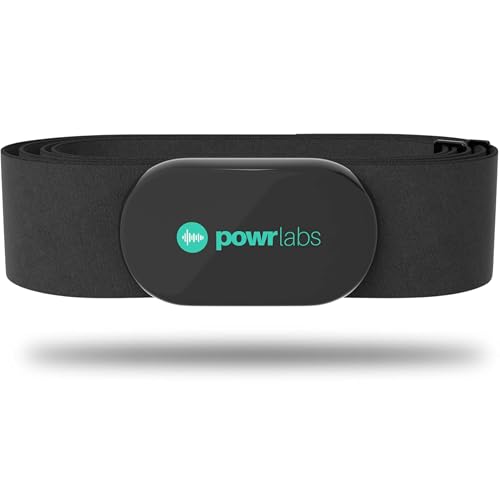
Powr Labs designs a chest strap that emphasizes “zero connection headaches.” The dual ANT+ and Bluetooth syncs are designed to pair with cycling computers, Garmin, Wahoo, Polar, Peloton, and more than 400 fitness apps. This broad compatibility is particularly helpful if you switch devices or ride with others who use different systems. The strap is made with soft, seamless fabric intended to minimize chafing and slip during long rides. It adjusts from 24 to 61 inches for a comfortable fit. A long battery life—over 400 hours—reduces the need for frequent charging, with a replaceable battery included for continued reliability.
Polar H10 Delivers Supreme Accuracy And Versatility

The Polar H10 is widely recognized for high-precision heart rate data and robust performance. It’s designed to work with almost all HRM-compatible equipment. Connectivity options include Bluetooth, ANT+, and 5 kHz, enabling simultaneous connections to multiple devices and apps. This makes it especially versatile for cyclists who use more than one device for training data or who pair with non-Bluetooth gym systems. The H10’s accuracy and connectivity are often cited as top-tier in independent reviews, making it a strong choice for serious riders.
COOSPO H6: Dual-Mode Simplicity And Connectivity
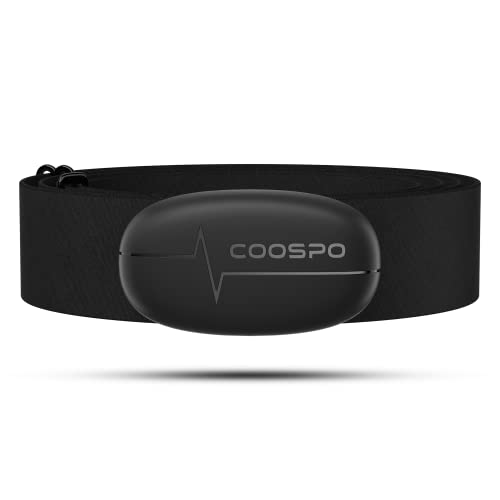
COOSPO’s H6 combines Bluetooth 4.0 and ANT+ dual-mode transmission to connect to multiple devices smoothly. It emphasizes real-time heart rate data with typical ±1 BPM accuracy, supporting a stable signal during vigorous cycling. The chest strap is compatible with popular apps and platforms (e.g., Strava, Wahoo, Polar Beat, and Zwift), which helps cyclists integrate HR data into existing training routines. The device is designed to work with Peloton, Polar, Wahoo, and Garmin devices, broadening its appeal for riders using multiple ecosystems.
COOSPO Armband HW807 With Clear Zone Indication

HW807 is an armband-style HR monitor featuring Bluetooth 5.0 and ANT+ for dependable connectivity with Peloton, Polar, Wahoo, Garmin, and other major systems. It includes a heart rate zone LED indicator to help users see zone shifts at a glance, plus HRV functionality for broader training insights. The armband design aims to reduce the feeling of a chest strap while delivering reliable data, appealing to riders who want freedom of movement without compromising accuracy.
CYCPLUS Armband: Comfortable, Clear HR Zoning

The CYCPLUS armband model emphasizes freedom of movement with a single-button setup for quick activation. It provides ±1 BPM real-time heart rate data and features a simple color LED system to indicate HR zones—green for lower, orange for moderate, and red for higher intensity. Its lightweight armband form factor makes it a practical option for riders who prefer not to wear a chest strap, while still delivering reliable workout data for training zones.
Buying Guide: Key Purchase Considerations And Comparisons
When choosing a heart rate monitor for exercise bike sessions, consider these factors to ensure a fit that matches your needs:
- Form factor: Chest straps tend to offer the most stable signal during intense workouts, while armbands provide greater comfort and freedom of movement for some riders.
- Connectivity: Look for devices with Bluetooth and ANT+ support to maximize compatibility with bikes, wearables, and training apps. Dual-mode options reduce signal drop risks.
- Accuracy: Most models advertise ±1 BPM accuracy under typical conditions. If you train seriously, prioritize widely recognized brands and customer reviews noting real-world performance during cycling.
- Battery life: Consider how often you train per week. Models with long battery life or replaceable batteries are advantageous for daily training without frequent recharging.
- App and platform compatibility: If you rely on apps like Strava, Zwift, or Peloton, confirm the HR monitor’s compatibility with those ecosystems and whether it supports real-time data streaming.
- Durability and comfort: Look for moisture resistance (IP ratings) and breathable materials. Comfort affects how consistently you’ll wear the device during longer rides.
- Warranty and support: A reliable warranty helps protect your investment and provides confidence in the product’s longevity.
From cuff-style armbands with zone indicators to chest straps offering broad device compatibility, the options balance accuracy, ease of use, and integration with common cycling setups. Consider your preferred wear style, the devices you already own, and how you train most often to determine the best fit for your exercise bike routine.