New to foam rolling? This guide highlights beginner-friendly rollers that balance comfort and effectiveness. Each option focuses on gentle pressure, durable materials, and practical sizes to help you warm up, release tension, and recover after workouts.
Summary Of Chosen Products
| Product | Length | Density | Ideal For |
|---|---|---|---|
| Amazon Basics High Density Foam Roller (18″) | 18 inches | High | Balance, flexibility, light to moderate pressure |
| Amazon Basics High Density Foam Roller (24″) | 24 inches | High | Longer back and leg work, stability |
| Gaiam Restore Marbled Foam Roller (18″) | 18 inches | Medium | Targeted massage, back and limbs |
| OPTP PRO-Roller Soft Density (36″ x 6″) | 36 inches | Soft | Gentle rehab, therapy, sensitive areas |
| Yes4All Medium Firm Round PE Foam Roller (12″) | 12 inches | Medium-Firm | Portable, versatile exercises, beginners |
Amazon Basics 18″ High Density Foam Roller
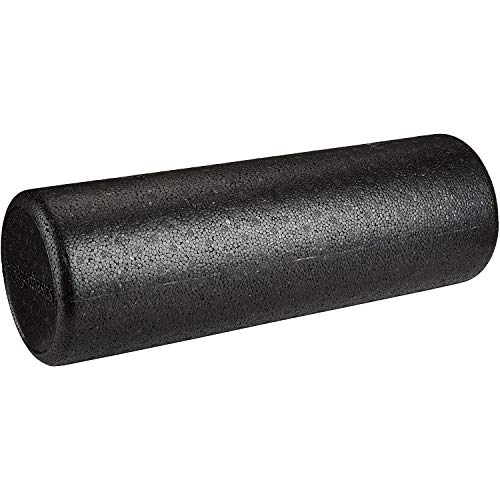
The Amazon Basics 18-inch High Density Foam Roller provides a firm, durable option for beginners. Its high-density foam helps maintain shape during use, offering reliable support for balance, strengthening, and flexibility routines. Molded edges add comfort for longer sessions, reducing pressure on joints while you roll out tight muscles.
Amazon Basics 24″ High Density Foam Roller

Offering the same dense construction as the 18-inch model, the 24-inch version extends coverage along the back and legs while staying user-friendly for beginners. Durable polypropylene maintains its shape through routine use, and the molded edges provide comfortable contact points as you perform warm-ups or post-workout recovery rolls.
Gaiam Restore 18″ Marbled Foam Roller
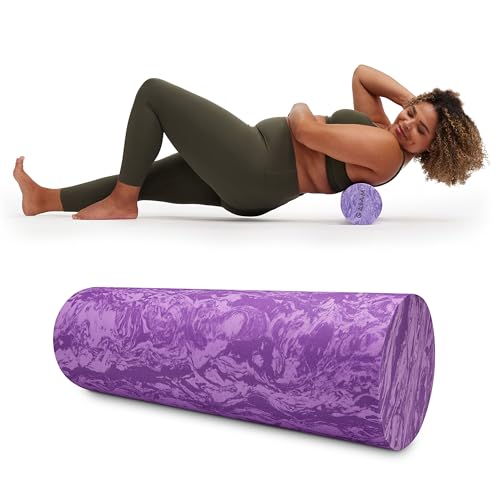
The Gaiam Restore roller features a medium-density surface with a textured tread pattern for targeted massaging and improved control. Its 18-inch length is well-suited for isolating smaller muscle groups in the back, arms, and legs, including quads and glutes. This roller supports both warm-ups and post-workout relief, and it can be used over clothes or bare skin for comfort.
OPTP PRO-Roller Soft Density Foam Roller

The OPTP PRO-Roller Soft Density is designed for gentle rehabilitation and therapy. Made with EVA closed-cell foam, it’s easy to wipe clean and ideal for Pilates, yoga, balance, mobility, and muscle release. The soft density makes it a beginner-friendly option for those seeking a comfortable, less intense rolling experience.
Yes4All 12″ Medium Firm Round Foam Roller

The Yes4All 12″ roller provides a compact, portable option with a medium-firm density. Built from durable PE, it supports up to 250 pounds and covers a wide range of exercises—from seated and kneeling stretches to core and balance work. This size is particularly useful for travelers or athletes needing a quick on-the-go recovery tool.
Buying Guide: Key Purchase Considerations
- Density and comfort: Beginners typically start with medium to soft density to ease into rolling and minimize discomfort. Higher-density rollers offer firmer support for deeper muscle relief as you adjust.
- Length and coverage: Shorter rollers (12–18 inches) are easier to maneuver and ideal for isolating small areas; longer rollers (24–36 inches) better cover the back and larger muscle groups during full-body routines.
- Texture and surface: Smooth surfaces are gentle for beginners, while textured patterns can provide pinpoint massage and improved leverage. Textured rollers can be used over clothing or skin depending on comfort.
- Material and durability: Most beginner rollers use EVA or polypropylene. Closed-cell designs clean more easily and resist moisture, making them suitable for regular use in a home gym or clinic setting.
- Portability: If you travel or have limited space, consider a shorter, lighter model. A 12–18 inch roller is typically the easiest to transport while still offering effective muscle release.
- Usage goals: Define whether you want pre-workout warm-ups, post-workout recovery, or rehab-focused rolling. Different densities and lengths align with each goal.
- Maintenance: Wipe down after use and store in a cool, dry place to preserve the material and shape. Soft-density rollers may require gentler handling to avoid deformation over time.
Foam rolling, when performed correctly, can aid in mobility, reduce delayed onset muscle soreness, and support tissue recovery. Beginners should start with slow, controlled movements, avoiding discomfort, and gradually increase pressure as tolerance improves. Pair rolling with a balanced warm-up and cooldown to maximize benefits.