Choosing the right fitness training shoes depends on your activity, foot shape, and comfort needs. This article highlights five versatile options that cover barefoot-style training, trail-friendly minimalism, weightlifting, and high-impact workouts. Each pair is evaluated for toe space, drop, cushioning, and stability to help you balance performance with foot health.
| Product | Brand | Type | Key Benefit |
|---|---|---|---|
| relxfeet Men’s Minimalist Barefoot Shoes | relxfeet | Barefoot / Cross-Trainer | Wide toe box, zero-drop for natural movement |
| WHITIN Men’s Trail Running Shoes | WHITIN | Minimalist / Trail | Natural stride with zero drop and adaptive materials |
| Ryka Women’s Influence | Ryka | Training / Dance Fitness | Designed for women’s foot shape with cushioned support |
| MANUEKLEAR Deadlift Shoe | M MANUEKLEAR | Weightlifting / Cross-Trainer | Lightweight with reinforced support and stability |
| Nike Air Max Alpha Trainer 6 | Nike | Training / Cross-Training | Stability with responsive cushioning and durable outsole |
Note: Product links and details are provided by the retailer. This guide remains objective and focuses on features relevant to a range of workouts, from lifting and jumping to light running and aerobic classes.
Relxfeet Minimalist Barefoot Shoes

Relxfeet barefoot shoes feature a wide toe box that gives the toes room to spread naturally, supporting better grip and comfort. The zero-drop sole encourages a natural foot strike, reducing excessive heel elevation and promoting balanced posture. Built to endure, the high-density rubber sole and one-piece molding provide flexibility and longevity. Ideal for gym workouts, cross-training, and activities demanding foot mobility.
WHITIN Trail Running Shoes

WHITIN emphasizes a natural stride with zero drop from heel to toe. The anatomical design and minimalist construction support a comfortable, barefoot-like feel on trails and gym floors. Adaptive materials and a low-profile silhouette help maintain balance during dynamic movements, making these suited for functional training and light trail sessions.
Ryka Influence Training Shoe

The Ryka Influence is crafted for women’s feet with a narrower heel and roomier toe box, delivering a secure fit and soft cushioning. The N-Gage energy return foam provides consistent shape retention and responsive cushioning, supporting dance fitness and low-impact workouts. This model blends comfort with a design oriented toward women’s biomechanics for a stable training experience.
MANUEKLEAR Deadlift Shoe

MANUEKLEAR deadlift shoes are designed to support lifting performance with a light, sock-like fit and a laterally widened sole for stability. Breathable mesh keeps feet cool, while a sturdy rubber outsole distributes impact and enhances grip during squats, deadlifts, and cross-training sessions. The shoe aims to balance comfort, responsiveness, and safety during high-intensity movements.
Nike Air Max Alpha Trainer 6
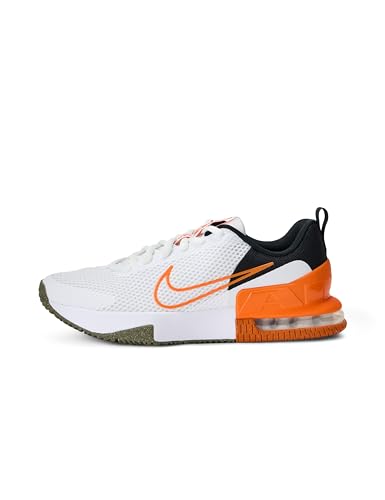
Nike’s Alpha Trainer 6 balances stability and cushioning with a tuned heel Max Air unit and a flat, wide outsole for traction. The midsole foam provides forefoot and heel cushioning, while flex grooves in the forefoot allow natural movement during lunges and dynamic workouts. This model suits multi-directional training, circuit sessions, and classes demanding both support and flexibility.
Buying Guide
Key purchase considerations
- Foot shape and toe space: Wide toe boxes aid toe splay and balance, especially for barefoot-style or lifting shoes.
- Drop and sole geometry: Zero-drop footwear encourages natural alignment, while traditional drops provide cushioning under the heel.
- Cushioning vs. stability: Cushioned shoes suit cardio and impact work; stable, flat-soled shoes support lifts and cross-training.
- Material and breathability: Mesh uppers and breathable linings help keep feet cool during workouts.
- Durability and outsole tread: Durable rubber and grip patterns matter for gym surfaces and outdoor training.
- Intended activity: Minimalist barefoot designs suit mobility work, while deadlift or cross-trainer shoes prioritize stability and energy transfer.
Comparison of perspectives
- Natural movement vs. traditional support: Minimalist shoes promote foot dexterity but may require adaptation time, whereas stabilized shoes offer immediate support for high-intensity routines.
- Breathability vs. protection: Lightweight mesh favors airflow; reinforced materials protect during lifting and rugged use.
- Versatility: Cross-trainers often balance flexibility with stability, suitable for mixed workouts, while specialized shoes excel in specific tasks like lifting or plyometrics.
Fit and sizing tips
- Test with socks similar to your training routine when possible.
- Allow a thumb’s width of space at the toe for everyday comfort, especially if workouts involve jump movements.
- Consider a half-size up for wider feet or if you use thicker insoles.