Finding the right speed and cadence sensor can enhance your indoor cycling or outdoor rides by providing precise data for training apps, smart trainers, and bike computers. Below you’ll find five top-performing options, highlighting how each sensor measures speed and cadence, connectivity options, and compatibility. This guide helps American riders compare features and choose the sensor that best supports your workout goals.
Summary Table Of Chosen Products
- Wahoo RPM Cycling Cadence Sensor — Bluetooth & ANT+ compatible, cadence-focused.
- Garmin Bike Speed 2 and Cadence 2 Sensor — Dual sensors for speed and cadence with Garmin ecosystem.
- Magene S3+ — Single-sensor option with Bluetooth/ANT+ support and mode limitations.
- Sunny Health & Fitness CB110 — Magnet-less, Bluetooth, SunnyFit app integration.
- Sunny Health & Fitness CB110S — Magnet-less with Bluetooth & ANT+, app connectivity.
Wahoo RPM Cycling Cadence Sensor Overview
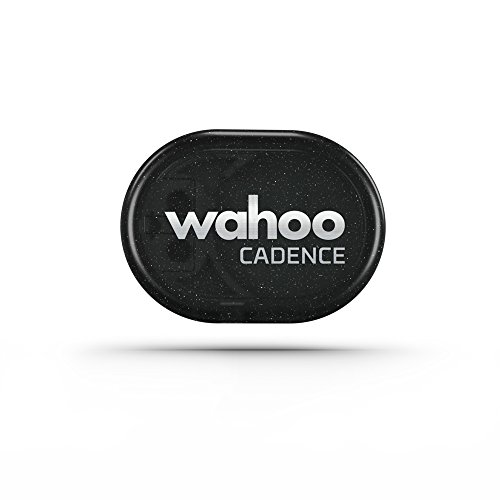
The Wahoo RPM Speed & Cadence Sensor provides real-time cadence data and speed measurements when paired with compatible training apps via Bluetooth. It focuses on cadence (RPM) as a key metric, helping riders optimize pedal efficiency and endurance. Dual-band technology combines ANT+ and Bluetooth Smart, enabling connection to smartphones, tablets, or bike computers. For cyclists who ride with Zwift, Peloton Digital, or other apps, this sensor broadens data access and improves training feedback without a head unit complication.
With the RPM sensor, you can monitor revolutions per minute to tailor workouts that improve efficiency, climbs, and sprint cadence. The device is compact and designed for quick installation on a wide range of bikes. Battery life and setup are typically minimal, making it suitable for both casual riders and serious training regimens. The dual-band design ensures compatibility across major ecosystems, reducing compatibility concerns for new app integrations.
Garmin Bike Speed 2 and Cadence 2 Sensor Details

The Garmin Speed Sensor 2 attaches to the wheel hub to measure speed, while the Cadence Sensor 2 tracks pedal strokes per minute. Self-calibration with compatible Edge devices ensures accuracy for speed and distance, even when not using a dedicated head unit. ANT+ and Bluetooth Low Energy connectivity enables live data transmission to Garmin Connect and other training apps. This setup is ideal for riders invested in the Garmin ecosystem who want seamless integration with their existing devices and training software.
The sensors are designed for broad compatibility with various wheel sizes and crank arms. The self-calibration feature helps maintain reliable metrics across different riding conditions. Garmin’s ecosystem advantages include easy data sharing, route planning, and richer activity logs, making this a strong option for users who value ecosystem coherence and long-term data access.
Magene S3+ Speed/Cadence Sensor Overview
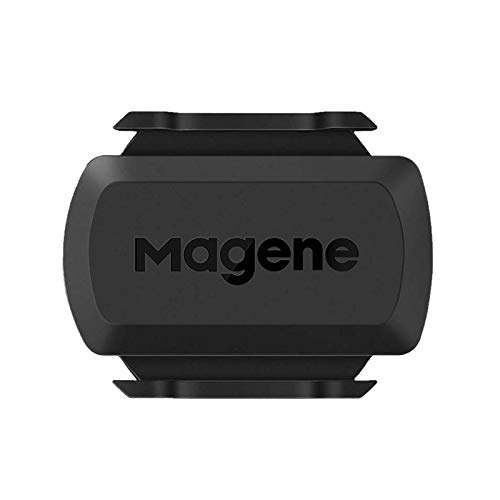
The Magene S3+ is a combined sensor designed to provide speed or cadence data with Bluetooth and ANT+ support. A single unit can be configured for either speed or cadence, so cyclists may require two sensors to monitor both metrics simultaneously. The device emphasizes compact design and straightforward pairing, with universal compatibility to popular apps and bike computers. Battery tips and mode limitations are noted in the product details, which can influence long-term usage and data collection strategies for mixed workout types.
Users should consider usage scenarios: if you primarily train with one metric at a time, S3+ offers a reliable, affordable option. For comprehensive data across multiple devices or apps, plan for additional sensors or alternative products that support concurrent mode operation, especially when ANT+ is used to connect to several devices at once.
Sunny Health & Fitness CB110 Cadence/RPM Sensor

The CB110 offers Bluetooth connectivity and integration with the SunnyFit App, allowing real-time monitoring of RPM, speed, and calories. The magnet-less design contributes to a lighter sensor and simpler setup, improving battery life and reducing mechanical alignment concerns. The SunnyFit ecosystem provides access to numerous workouts, tours, and community features, making the sensor a practical choice for users who enjoy guided training content in addition to standard workout tracking.
Bluetooth-enabled pairing enables straightforward use with compatible devices and apps. For users focused on a broader training community or who value a connected experience through the SunnyFit platform, the CB110 delivers a compelling package that combines data tracking with engaging training resources.
Sunny Health & Fitness CB110S Cadence/RPM Sensor

The CB110S expands the magnet-less design to a 2-in-1 cadence and speed sensor package, with Bluetooth and ANT+ compatibility. Like the CB110, it is intended for indoor and outdoor bikes, and integrates with the SunnyFit App. The magnet-less approach simplifies installation and reduces potential interference, while offering extended battery life. The sensor supports both cadence and speed data streams through compatible devices and apps, enabling flexible workouts across different training environments.
For riders who want a single, compact solution without magnets and with broad app compatibility, the CB110S presents a versatile option. As with similar devices, consider your primary app ecosystem and whether you need concurrent data streaming to multiple devices when choosing between single-mode and multi-sensor setups.
Buying Guide: Key Purchase Considerations And Comparisons
- <strongConnectivity — Decide between Bluetooth, ANT+, or dual-band devices. If you use multiple apps or devices (phone, watch, trainer, bike computer), a dual-band model reduces compatibility friction.
- <strongSingle vs. Dual Sensors — Some sensors are dedicated to speed or cadence, while others cover both. If you need both metrics simultaneously, plan for either a dual-sensor setup or a combined unit that supports both modes.
- <strongMagnet-less Design — Magnet-less sensors simplify installation and maintenance and often extend battery life. They are generally easier for beginners but verify compatibility with your bike and crank/ hub geometry.
- <strongApp Ecosystem — If you already use a specific app or platform (Garmin Connect, Wahoo SYSTM, Zwift, SunnyFit), choose a sensor that integrates smoothly to minimize setup time and maximize data consistency.
- <strongBattery Life — Longer battery life reduces the frequency of replacements or recharges. Check user reviews for real-world longevity and battery performance under typical training loads.
- <strongAccuracy And Calibration — Self-calibration features and auto-calibration can reduce setup friction. For critical training, read user feedback on real-world accuracy and consistency across sessions.
- <strongDurability And Fit — Ensure the sensor fits your wheel hub, crank arm, and bike type (road, mountain, indoor trainer). Rugged builds help in a variety of riding environments.
- <strongPricing And Value — Balance features (speed vs. cadence, app access, ecosystem compatibility) against cost. A slightly higher investment may yield better long-term compatibility and data value.
When selecting a speed or cadence sensor, align the choice with your training goals, preferred apps, and device ecosystem. A well-integrated sensor improves data reliability, enabling more precise pacing, endurance planning, and performance tracking across both indoor and outdoor cycling contexts.