For cyclists aiming to optimize performance, a power meter on an exercise bike provides precise data on output, efficiency, and training zones. This guide aggregates top power meter options that suit home setups, gym bikes, and trainer cranks. Each pick emphasizes accuracy, durability, and easy installation so you can measure true power without sacrificing ride feel. Below, you’ll find five strong contenders with distinct approaches—from pedal-based to crank-based systems—capped with a practical buying guide to help you choose the right model for your workouts.
| Product | Brand | Key Benefit |
|---|---|---|
| Favero Assioma Uno Pedal-Based Power Meter | Wearable4U | Left-sensor precision; easy transfer between bikes |
| Magene PES P505/P515 Crankset | Magene | High-accuracy, lightweight crank-based power |
| Magene P715 Dual-Sensing Pedals | Magene | Left/Right independent data; SPD-SL compatible |
| LOOK Keo Blade Power Pedals | LOOK | Ultra-light, high-performance pedal-based power |
| Magene PES P505/P515 (Alternative Link) | Magene | Same precision with different integration options |
Note: Each product section below includes a direct link to Amazon, an image, and a concise overview of features drawn from the listing details. Images are provided for quick visual reference, while the feature notes help compare core functions at a glance.
Favero Assioma Uno Pedal Power Meter
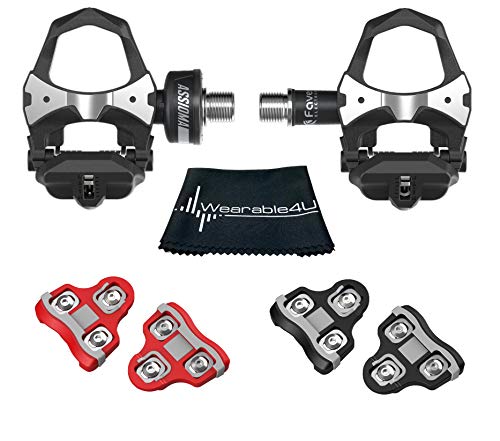
The Favero Assioma UNO measures power from the left pedal with a sensor in the left unit, enabling true leg power data. It is designed for quick installation and easy transfer between bikes, making it ideal for riders who train on multiple setups. In the package, you get the UNO power-meter pedals, a pair of Favero cleats (red float and black float), and a cleaning cloth for maintenance. The system provides reliable, accurate data that can be synchronized with cycling apps for structured workouts.
Magene PES P505/P515 Crankset Power Meter

Magene’s PES P505/P515 crankset delivers approximately ±1% power accuracy using advanced strain gauges and temperature compensation. The lightweight design weighs around 625 g and uses a 7075 aluminum crank with a triple hollow construction for stiffness. It’s battery-powered for long sessions (up to about 330 hours of ride time) and supports ANT+ and Bluetooth connectivity. Suitable for riders seeking a crank-based solution that blends precision with durability for extended training cycles.
Magene PES P505/P515 Crankset (Alternative Listing)
This alt listing mirrors Magene’s P505/P515 approach with the same ±1% rating, sturdy 625 g frame, and 330-hour battery life. It emphasizes reliable performance across training environments, with robust construction designed for long-term cycling use. Users who want a crank-based meter can rely on this option for stable measurements and easy integration into existing crank systems.
Magene P715 Dual-Sensing Pedals
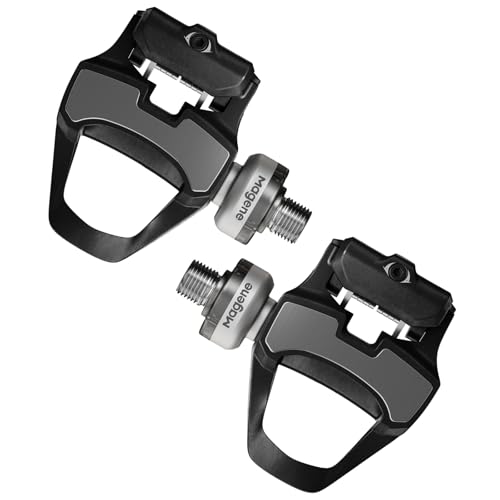
The Magene P715 pedals offer dual-sensing power measurement, allowing independent left and right data with ±1% accuracy. They’re compatible with SPD-SL cleat systems, enabling straightforward upgrades for riders who already use these pedals. The dual-sensing design provides a more detailed picture of pedaling efficiency and asymmetry, valuable for serious riders focusing on technique and balance in training routines.
LOOK Cycle Keo Blade Power Pedals

LOOK’s Keo Blade Power pedals integrate power meters directly into high-performance pedals for a light, streamlined setup. These pedals deliver comprehensive power data and are designed for precision tracking across training blocks. The Keo Blade Power line emphasizes a balance of power measurement with minimal weight impact, appealing to riders seeking top-tier performance and clean integration with existing pedal systems.
Magene PES P505/P515 Crankset (Alternate Listing)
This alternate Magene listing reiterates the same precision and durability, giving buyers another pathway to access the P505/P515 technology. It’s suitable for athletes who want a reliable crank-based power meter with the benefits of robust electronics and long battery life, compatible with standard ANT+/Bluetooth ecosystems for seamless data transfer to training apps.
Buying Guide: Key Purchase Considerations
- Measurement model: Pedal-based meters (like Favero Assioma UNO and Look Keo Blade Power) capture power through the pedal spindle, enabling easy swapping between bikes. Crank-based meters (Magene PES P505/P515) integrate directly into the crank arm, often offering broader training data on a single setup.
- Data accuracy and features: Most high-end meters aim for ±1% accuracy. Consider whether you need dual-sensing (left/right) for symmetry analysis or if single-sensor data suffices for your routine.
- Compatibility: Check pedal type (SPD-SL, LOOK Keo, etc.), cleat compatibility, and integration with your bike’s crankset or pedal system. Confirm ANT+/Bluetooth compatibility for app syncing and ride analysis.
- Install and portability: Pedal-based meters are typically easier to transfer between bikes; crank-based options require a firmer fit to the crank and may demand professional installation in some cases.
- Battery life and maintenance: Long battery life minimizes downtime between charges. Some options require periodic recalibration or torque checks; weigh maintenance needs against training frequency.
- Weight and aerodynamics: Heavier meters can subtly affect pedal feel and rolling resistance on short efforts; consider minimal-weight options if racing or sprint work is common.
When evaluating options, align your choice with your training goals—whether you need precise bilateral power data, quick bike-to-bike swaps, or minimal setup disruption. If you’re primarily focused on improving endurance metrics across long rides, a crank-based meter may offer durable performance with fewer transfer steps. For athletes chasing exact left-right imbalances on multiple bikes, pedal-based meters provide flexible, accurate readings with straightforward switching between gear setups.