Choosing the right under-bike mat helps preserve hardwood floors, reduces noise, and extends the life of your cycling setup. This guide reviews five top mats designed for home spin bikes and treadmills, focusing on thickness, durability, and floor protection. Each option is suitable for hardwood floors and aims to minimize slipping and wear during intense workouts.
| Product | Brand | Size | Thickness | Key Benefit |
|---|---|---|---|---|
| Cycleclub Exercise Bike Mat | Cycleclub | 30″ x 60″ | 6 mm | Large coverage, durable protection |
| Cycleclub Bike Mat Upgrade | Cycleclub | 36″ x 72″ | 6 mm | Extra thickness for noise reduction |
| Crostice Bike Trainer Mat | Crostice | 36″ x 72″ | 6 mm | Non-slip, sweatproof, durable |
| Crostice Bike Trainer Mat (Peloton Ready) | Crostice | 36″ x 72″ | 6 mm | Anti-slip, water and sweat resistant |
| Amazon Basics Treadmill Mat | Amazon Basics | 72″ x 30″ | 0.3″ (approx. 7.6 mm) | Full floor protection with large area |
Cycleclub Exercise Bike Mat — 6mm Thick, 30 x 60
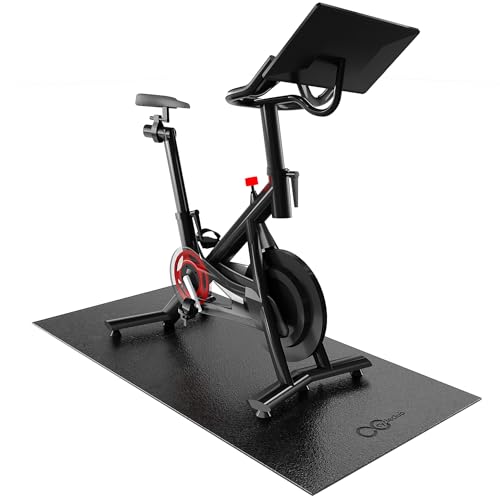
The Cycleclub mat is designed to guard hardwood floors from scratches, sweat, and scuff marks during indoor cycling. At 6 mm thick, it offers substantial cushioning and reduces noise and vibration, creating a calmer training space. The mat is cuttable, allowing you to tailor its shape to fit your setup, and it claims to leave no marks on wood floors or carpets over time. It is particularly suitable for peloton-style bikes and small treadmills, making it a versatile floor protector under various compact gym machines.
Cycleclub Bike Mat Upgrade — 6mm, 36 x 72

This upgraded mat increases coverage to 36 by 72 inches and thickens to 6 mm, delivering enhanced floor protection and noise dampening for busy home gyms. It is compatible with a wide range of equipment, including spin bikes, treadmills, and other cardio machines. The mat’s soft PVC composition aims to stay flat under equipment and resist aging and fading, while cutting down on disturbances during peak workout times.
Crostice Bike Trainer Mat — 6mm, 36″ x 72″

The Crostice mat is built to fit most bikes and treadmills with ample space for a dedicated training zone. Its 6 mm thickness helps absorb noise and reduce vibrations, enabling quieter workouts, even at higher intensities. The textured, non-slip surface provides stability, while the waterproof and sweatproof design simplifies cleanup after heavy sessions. The mat’s density helps prevent mat piling over time, supporting long-term use on hardwood floors.
Crostice Bike Trainer Mat (Peloton Ready) — 6mm
Designed to pair well with Peloton bikes and similar upright cycles, this Crostice mat provides full coverage and a stable base. The 6 mm thickness helps absorb impact and dampen operational noise. It features anti-slip textures on both sides and is sweat and water resistant for easy maintenance. The mat stays flat and durable under daily use, helping protect hardwood floors from scuffs and sweat-induced damage.
Amazon Basics Treadmill Mat and Exercise Equipment Floor Protector
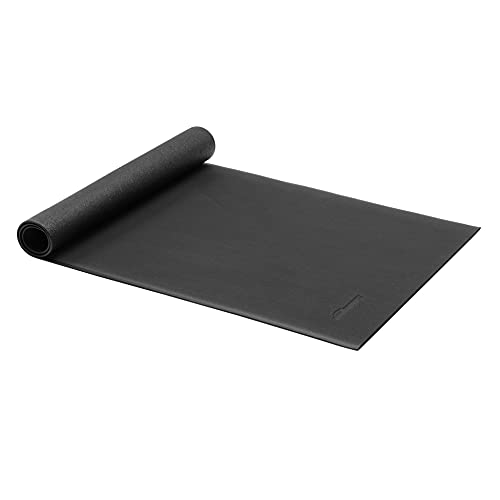
Although marketed for treadmills, this mat’s broad 72 by 30-inch footprint provides excellent hardwood-floor protection for larger equipment setups or when you run multiple machines in one area. The mat uses heavy-duty PVC to minimize noise and vibration while offering durable protection against scuffs, sweat, and moving equipment. It’s a practical choice when you want a single, large mat that works under various devices in a home gym.
Buying Guide: Key Purchase Considerations
When selecting an exercise bike mat for hardwood floors, consider thickness, size, material, and compatibility with your equipment. A thicker mat (around 6 mm) typically delivers better noise reduction and floor protection, especially under heavier bikes. Size should account for your bike’s footprint plus any space for movement during vigorous workouts. Materials vary from PVC to EVA foam; look for non-slip textures, sweat resistance, and ease of cleaning. Some mats are designed specifically for Peloton or Peloton-like bikes; ensure the mat fits your model or allows trimming. Finally, verify that the mat will lay flat on wood floors and won’t leave marks after long-term use, as highlighted by several product descriptions above.
Fit for Purpose and Versatility
Top mats in this guide emphasize compatibility with multiple devices, including spin bikes and treadmills. If you own more than one machine, a larger 36″ x 72″ mat offers flexibility to accommodate future equipment additions without needing a second mat. Conversely, a 30″ x 60″ mat provides a more compact solution for smaller spaces, though it may require repositioning with larger workouts. Always measure your equipment and space before purchasing to ensure a clean, fit-for-purpose setup that protects your hardwood floors.
Durability And Maintenance
Durability is closely tied to thickness and material quality. Six-millimeter mats typically provide better impact absorption, less wear under heavy pedals, and reduced vibration transfer. Look for mats that resist fading, curling, and odors, and that can be wiped down with a simple cleaning solution. Sweatproof and waterproof surfaces help prevent staining and simplify maintenance after sweaty sessions. A mat that stays flat and does not slip is essential to prevent accidents and preserve flooring integrity.
Noise Reduction And Floor Protection
Noise reduction is a common goal for home gyms, especially in shared living spaces. Mats designed with high-density backing and textured anti-slip surfaces generally perform better at damping sound and vibrations. Hardwood floors benefit most from thicker mats that secure stability and avoid micro-movements during sprints or interval training. If you train early in the morning or late at night, prioritize mats advertised for quiet operation and vibration dampening.
Price, Availability, And Brand Reputation
Brand reputation and availability can influence long-term satisfaction. The mats reviewed here from Cycleclub, Crostice, Crostice Peloton-ready variants, and Amazon Basics offer varied price points and coverage. When evaluating, balance cost against coverage area, thickness, and ease of cleanup. For a multi-machine setup, investing in a larger, durable mat may deliver better long-term value than buying smaller, separate mats for each piece of equipment.