Finding the right cross country running shoes means balancing traction, cushioning, and durability to handle mixed terrain—from grass and mud to rocky paths. The following selections emphasize grip, stability, and responsiveness for men across varying courses. Each option is drawn from reliable brands and backed by features designed for cross-country training and racing.
| Product | Brand | Key Features |
|---|---|---|
| New Balance Men’s 410 V8 Trail Running Shoe | New Balance | AT Tread outsole, Synthetic upper, BIO Foam midsole |
| Saucony Men’s Excursion TR14 Trail Running Shoe | Saucony | Carbon rubber lugs, Versarun cushioning, Trail mesh with overlays |
| Under Armour Men’s Charged Assert 10 | Under Armour | Breathable mesh, EVA sockliner, Charged Cushioning midsole |
| New Balance FuelCell XC7 V5 | New Balance | FuelCell foam, Angular midsole, 6 removable spike pins |
| Brooks Cascadia 19 Mountain Trail | Brooks | TrailTack Green outsole, DNA LOFT v3, Trail Adapt System |
Note: This article highlights five strong choices for male cross country runners, focusing on grip, support, and distance-friendly cushioning. Each product section below includes a clickable link to Amazon, a product image, and a concise feature summary.
New Balance 410 V8 Trail Running Shoe

The New Balance 410 V8 Trail Running Shoe combines a versatile AT Tread outsole with a supportive synthetic upper. The soft BIO Foam midsole cushions landings while maintaining a responsive feel for fast cross country efforts. This model suits mixed terrain during training blocks and race days, offering dependable traction on damp grass and light mud without adding excessive weight.
Saucony Excursion TR14 Trail Running Shoe

Saucony’s Excursion TR14 emphasizes rock-solid footing with carbon rubber grippy lugs and Versarun cushioning to support longer efforts. The trail-specific mesh and overlays hold the foot steady while protecting against debris. The overall design aims for a balanced ride across uneven turf, pine needles, and light gravel.
Under Armour Charged Assert 10
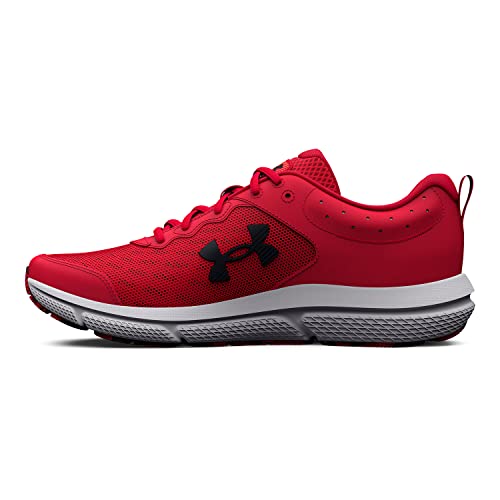
Under Armour’s Charged Assert 10 delivers a lightweight, breathable mesh upper with durable overlays, an EVA sockliner for comfort, and a Charged Cushioning midsole for a responsive, energetic ride. This model is well-suited for faster cross-country workouts and moderate-length races where speed and durability matter.
New Balance FuelCell XC7 V5
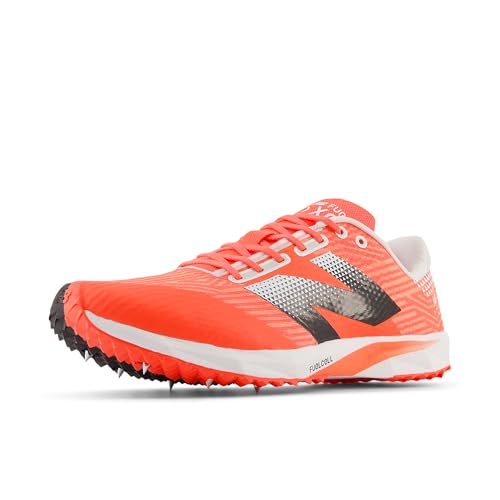
The FuelCell XC7 V5 emphasizes a propulsive feel with FuelCell foam, an angular midsole for reduced weight, and a rubber outsole featuring six removable spike pins for traction on variable terrain. This model is especially appealing for cross-country races where spike-based grip translates to confidence on uneven ground and variable weather conditions.
Brooks Cascadia 19 Mountain Trail

The Brooks Cascadia 19 delivers TrailTack Green outsole traction and DNA LOFT v3 cushioning for a soft yet responsive ride. The upgraded Trail Adapt System improves stability on uneven surfaces, making this a solid choice for challenging courses with roots, mud, and rocks. A portion of the outsole uses recycled content, aligning with sustainability considerations often important for longer seasons.
Brooks Draft XC: Cross-Country Support

The Brooks Draft XC focuses on high-level speed for young cross-country runners with strategically placed spikes for rugged terrain and better traction. BioMoGo DNA cushioning provides responsive support from start to finish, helping runners maintain pace on mixed surfaces. The shoe balances speed, grip, and comfort for training cycles and competitive meets.
Buying Guide
When choosing cross country shoes, consider the following factors to optimize performance on varied surfaces:
- Traction system: Look for outsoles with multi-directional lugs or spikes appropriate for wet grass, mud, and rocky sections. Carbon rubber compounds tend to last longer on hard-packed trails.
- Midsole cushioning: A balance between plush comfort and responsive energy return helps maintain pace across miles. Some models use nitrogen-infused foams for lighter weight and rebound.
- Weight: Lighter shoes reduce fatigue during longer workouts, but may trade off outsole durability. For many runners, a mid-weight profile offers the best compromise.
- Upper construction: Breathability and support are essential. Mesh uppers with overlays provide airflow while keeping the foot in place on uneven terrain.
- Stability and protection: Reinforced toe caps, rockplates, and support overlays protect against debris and stones on rugged courses.
- Fit and sizing: Cross country seasons span training blocks; ensure ample toe box space and secure lockdown without hotspots during longer runs.
- Terrain awareness: If you race in varied weather, consider water resistance and outsole pattern that handles both wet grass and dry dirt.
Performance considerations may differ by runner weight, cadence, and preferred terrain. For beginners, focusing on stability and reliable traction can reduce the risk of slips, while more experienced athletes might prioritize a combination of responsiveness and outsole durability for faster race pacing. Always try to match shoes to your most common course conditions and training volume for best long-term results.