Groin numbness can turn a long ride into a frustrating experience. The right saddle design, especially noseless or anatomically relieved models, can dramatically improve comfort by reducing soft-tissue pressure and boosting blood flow. This guide highlights five top-performing saddles designed to minimize numbness for riders on hybrids, road, mountain, and stationary bikes. Each option emphasizes an ergonomic shape, supportive padding, and materials crafted for durability. Explore options from trusted makers to find a saddle that keeps you comfortable mile after mile.
Summary of selected products
| Product | Brand | Key Benefit |
|---|---|---|
| IS M Metro Comfort Bike Seat | ISM | Noseless design with 60-series padding for improved comfort and blood flow |
| ISM PN 3.1 Padded Road Bike Saddle | ISM | Pro-designed noseless saddle for reduced numbness and enhanced leg clearance |
| ISM PR Series Noseless Bicycle Seat | ISM | Anatomic relief with optimized rear end for thigh clearance |
| ISM Berkley Comfortable Bike Seat | ISM | Wide, padded design with noseless comfort ideal for stationary bikes |
| ISM PR 2.0 Noseless Bicycle Seat | ISM | Professional-grade noseless design with improved blood flow and clearance |
ISM Metro Comfort Bike Seat

Designed for comfort, this noseless saddle reduces genital numbness commonly experienced with traditional wide saddles. ISM uses a patented noseless design to redirect pressure away from soft tissue, paired with the 60-series foam for enhanced cushioning. The result is a seat suitable for upright riding on hybrids, beach cruisers, and stationary bikes. Its design aims to strike a balance between width and support, helping riders maintain an upright posture without sacrificing stability or control. The combination of reduced pressure and improved padding makes it a strong candidate for riders seeking lasting comfort on longer sessions.
ISM PN 3.1 Padded Road Bike Saddle

The PN 3.1 represents a professionally designed noseless option tailored for road cycling, time trials, triathlons, and gravel riding. The noseless construction reduces soft tissue pressure and supports optimal blood flow, guiding riders toward increased comfort on long road efforts. Its tapered front design mirrors a focus on leg clearance, enabling freer movement during aggressive cornering or sprints. Built with input from pro cyclists, the PN 3.1 blends performance geometry with anatomical relief to minimize numbness while preserving efficient pedaling dynamics.
ISM PR Series Noseless Bicycle Seat

The PR Series emphasizes anatomic relief paired with an optimized rear end design. This saddle is designed to disappear under the rider, offering excellent thigh and hamstring clearance while maintaining a comfortable seating area. The noseless approach helps reduce numbness and pressure buildup during extended rides, making it a versatile choice for hybrid, time trial, road, and mountain bikes. The design supports long-duration performance without sacrificing control or stability.
ISM Berkley Comfortable Bike Seat
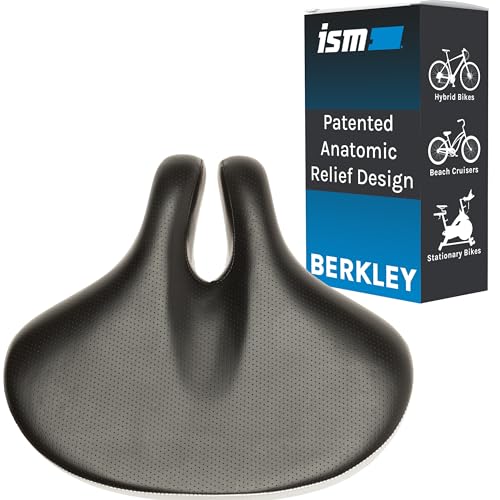
The Berkley model focuses on a very wide base and premium 60-series padding for maximum comfort on stationary and hybrid bikes. Its noseless design aims to improve blood flow and reduce numbness commonly associated with longer workouts. The padding is described as top-tier, providing a plush feel while maintaining support across a broad seating surface. Ideal for riders who spend substantial time on indoor spin bikes or casual commutes, the Berkley offers a stable, comfortable platform for everyday riding sessions.
ISM PR 2.0 Noseless Bicycle Seat

The PR 2.0 continues the brand’s emphasis on professional-grade noseless design with enhanced blood flow and comfortable rear-end geometry. It shares the core philosophy of reducing numbness while ensuring a secure seating position across various bike types, including hybrid and road setups. The ergonomic considerations aim to deliver consistent support and freedom of movement, making it a popular choice for riders who value performance alongside relief from numbness during long rides.
Buying Guide: Key Purchase Considerations
Choosing the right saddle for numbness relief involves understanding fit, riding style, and material quality. Noseless designs can significantly reduce pressure on the soft tissues, but fit is still critical. Look for a saddle with a shape that matches your sit bone width and pelvic tilt. If you ride upright on hybrids or stationary bikes, a wider base may offer better support; road riders may prioritize rear-end shaping and leg clearance to avoid chafing and friction on aggressive accelerations.
Padding type and density affect comfort and support over time. A high-density foam like ISM’s 60-series padding provides durable cushioning that resists compression during longer sessions. Consider the foam’s resilience, whether it returns quickly after impact, and how it feels when you move through different riding positions. A firmer saddle may prevent sinking into the seat, while a softer option can reduce pressure points on short rides.
Material and cover durability matter for longevity. Lycra or synthetic covers with abrasion resistance help resist wear from repeated use and exposure to sweat. A waterproof or water-resistant cover is beneficial for outdoor riding, while a cleanable surface matters for riders who clean their gear after each session. Additionally, a noseless or anatomically relieved design should be evaluated for compatibility with your bike’s geometry and your pedaling style, ensuring you don’t experience new pressure points.
Installation and compatibility are practical considerations. Most saddles are designed to fit standard rails and seat posts, but you should verify compatibility with your bike’s clamp system and whether adapters are needed for seat-post mounting. Some models include tools or mounting kits, which can simplify setup. If you are uncertain about fit, testing a few models through returns or exchange programs can help determine the best option for your anatomy and riding preferences.
Budget and maintenance also influence choice. High-quality noseless saddles may come at a premium, but their durability and comfort can justify the cost for riders dealing with numbness. Regular cleaning, checking rail tightness, and ensuring the foam retains its shape over time will help maintain ride quality. Look for warranties or customer support policies that offer assurance against wear or manufacturing defects.