The right weightlifting belt can enhance core stability, protect your back, and help you push more during squats and deadlifts. This guide reviews five popular belts from reputable brands, highlighting design, materials, and key features to help American lifters choose the best option for their training goals.
Summary table of selected products:
- RitFit Weight Lifting Belt – 6” extra-wide contour belt for back, abs, and core support
- IBRO Powerlifting Lever Gym Belt – 10mm leather with quick lever closure for rapid adjustments
- Gymreapers Quick Locking Weight Lifting Belt – 4” neoprene back support with quick-lock buckle
- ProFitness Weightlifting Belt – Leather belt for durable back support and improved form
- Dark Iron LG Fitness Weight Lifting Belt – 4” wide, fully adjustable with double-pronged buckle
RitFit Weight Lifting Belt Overview

The RitFit belt features a 6-inch extra-wide contoured design intended to stabilize the back, abs, and core. Its shape helps create consistent intra-abdominal pressure, which can aid in lifting heavier loads during squats and deadlifts. The belt is crafted from premium reinforced tricot, balancing durability with comfort to prevent riding up or digging in during long sessions. Users may experience improved lift confidence due to improved core stability and support, with a practical emphasis on injury prevention in heavy lifting scenarios.
Key features include its versatile application across exercises beyond squats and deadlifts, including lunges and thrusters. The combination of width, contouring, and robust materials aims to deliver reliable performance across training cycles. While claims of an average weight increase vary by user, many note a measurable boost in stabilization and power output during demanding sets.
IBRO Powerlifting Lever Gym Belt

The IBRO belt uses a 10mm thick genuine leather construction with a steel lever buckle. This lever system allows rapid tightening and loosening, claimed to permit wearing the belt up to 4 inches tighter than traditional belts. The design emphasizes increased intra-abdominal pressure to boost strength during heavy lifts. The belt is described as durable and built for longevity, suitable for serious powerlifting and weightlifting enthusiasts seeking quick adjustability between sets. The contoured fit is designed to stay secure during maximal lifts, with a focus on stability across squats and deadlifts.
Notes on use include careful sizing due to density of leather and lever mechanism; users should ensure proper positioning to maximize abdominal pressure without restricting breathing. The belt’s rugged construction makes it a long-term option for frequent heavy lifting, with considerations for comfort and fit during extended sessions.
Gymreapers Quick Locking Weight Lifting Belt

This belt focuses on a fast, secure fit with a strong quick-locking buckle. It uses a uniform 4-inch width to distribute pressure evenly around the torso, supporting core stability without creating awkward inconsistencies. The design emphasizes intra-abdominal pressure to drive performance during heavy lifts while maintaining comfort. The sizing guidance recommends measuring around the naval rather than relying on waist size to find an accurate fit. The belt has seen competition use and is designed for cross-training and heavy routines alike.
Strengths include minimal downtime between exercises due to the locking mechanism and a consistent belt profile that supports sustained power output. Potential considerations involve ensuring correct sizing and adjusting to the buckle’s locking action during fatigue-heavy workouts.
ProFitness Leather Weightlifting Belt

The ProFitness belt is a leather-based lifting belt designed to provide durable back support during heavy lifts like squats and deadlifts. Its leather construction aims to withstand repeated use under demanding training conditions, and the belt claims to promote improved form by encouraging proper posture throughout lifts. The emphasis is on stability and reliability, rather than rapid adjustability. This belt may appeal to lifters who prioritize old-school durability and a traditional feel during lifting sessions.
Potential trade-offs include a slower adjustment process compared to lever belts, but the leather’s longevity can translate to a trusted, long-term training partner. For athletes focusing on technique and consistent form, the ProFitness belt offers a straightforward, sturdy option.
Dark Iron LG Fitness Weight Lifting Belt
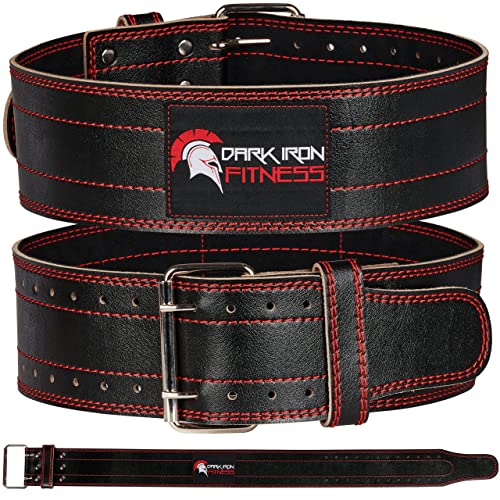
The Dark Iron LG belt is a 4-inch-wide, fully adjustable model featuring a double-pronged buckle for secure closure. It is designed for a broad range of lifters, including men and women of different sizes. The belt emphasizes maximum back and core support with a focus on stability during heavy lifts. The 12-point adjustability allows lifters to tailor tightness to their preference while maintaining comfort and support throughout long workouts. It is described as a versatile belt suitable for powerlifting, weightlifting, bodybuilding, and cross training.
Considerations include evaluating whether a double-pronged buckle aligns with your preferred quickness of adjustment and whether the belt’s 4-inch width provides the optimal balance of stabilization for your torso shape and lifting style.
Buying Guide: Key Purchase Considerations
Choosing the right belt depends on your training goals, lifting style, and personal comfort. Consider the following factors when evaluating belts for squats and deadlifts:
- Width and profile: A 4-inch to 6-inch belt offers more abdominal pressure and back support. A wider belt provides greater stabilization but may feel bulkier for beginners or those with shorter torsos.
- Material: Leather belts are durable and provide a traditional feel, while reinforced fabrics or neoprene blends can offer lighter weight and more flexibility. Leather belts typically require breaking-in but last longer with heavy use.
- Closure system: Lever buckles enable rapid tightening and consistent pressure, ideal for frequent transitions between sets. Prong or single-belt closures can be sufficient for many lifters but may require more effort to adjust.
- Intra-abdominal pressure: Belts assist in generating IAP to stabilize the spine. Ensure the belt’s design promotes even pressure distribution around the core for maximum effectiveness.
- Sizing guidance: Do not rely solely on waist measurements. Follow manufacturer sizing recommendations, often advising measurements around the navel or torso length for an accurate fit.
- Competition eligibility: Some belts are competition-approved. If you participate in competitions, verify that your belt meets the required standards for your federation.
- Comfort and durability: Look for reinforced stitching, high-quality buckles, and inner linings that resist irritation during long sessions.
- Versatility: If you perform 다양한 lifts (squats, deadlifts, lunges, Olympic lifts), choose a belt that suits multiple movements without compromising form.
In practice, lifters should assess how each belt affects breathing, core engagement, and perceived stability during sets. A belt that feels secure and stable without restricting movement is typically the most effective for heavy lifts. For beginners, starting with a 4-inch belt and gradually adjusting to wider profiles as strength and technique improve can be a prudent approach.