Choosing the right anchor system can transform a day on the water, letting you stay put for fishing, photography, or simply paddling with hands-free balance. This guide highlights five reliable kayak anchor systems, drawing from popular options that balance durability, ease of use, and versatile mounting. Each product section includes direct access to the Amazon listing, a visual, and a summary of key features to help you compare quickly.
| Product | Brand | Key Benefit |
|---|---|---|
| Scotty #276 Anchor Lock | Scotty | Smooth lock-and-release with side/deck mount |
| EDSRDPLT Kayak Anchor Lock System | EDSRDPLT | One-handed control with durable, quiet operation |
| Kayak Anchor Trolley Kit (YUSOVE) | YUSOVE | 316 stainless steel hardware with 30 ft line |
| Low Profile Kayak Anchor Wizard | Anchor Wizard | Compact, versatile for multiple watercraft |
| Fishing Online Anchor Wizard Low Profile Kit | Fishing Online | Easy deployment with track/mount options |
Scotty #276 Anchor Lock

The Scotty #276 Anchor Lock system provides a compact, sturdy solution for small boats and kayaks. The design integrates an anchor lock mechanism with a No. 241 combination Side/Deck Mount for flexible installation. Its roller-bearing mechanism enables smooth, quiet operation, which reduces wear on both the anchor line and mounting surface. This setup is ideal for anglers or paddlers in still-water conditions where quick anchor adjustments are beneficial. The easy lock-and-release action allows quick anchoring and adjustments to accommodate changing tides or wind, helping users maintain position with minimal effort.
Key considerations include compatibility with small craft, ease of use, and overall durability. The Scotty system’s roller bearing is designed to minimize resistance during deployment and retrieval, contributing to a reliable hold in calm to moderate waters. If you frequently anchor near shorelines or marshy zones, this model’s straightforward installation and operation can simplify routine anchoring tasks without adding significant weight or bulk to the craft.
EDSRDPLT Kayak Anchor Lock System

The EDSRDPLT anchor system emphasizes effortless single-handed control with a lock-and-release mechanism, enabling quick positional adjustments while the user’s other hand remains free for paddling or fishing. Built from high-strength materials with a smooth ball-bearing design, it promises quiet operation and resilience under routine use. The included Side Deck Mount expands mounting versatility, making the system suitable for kayaks, canoes, and small boats alike. This model is well-suited for paddlers who value ease of setup and reliable performance in both calm and windy conditions.
Consider durability, mounting options, and ease of operation when selecting this system. The one-handed capability is a practical advantage for anglers or photographers who need to stabilize without interrupting activity. The ball-bearing mechanism supports smooth adjustments, reducing wear over time and maintaining consistent performance across seasons.
Kayak Anchor Trolley Kit (YUSOVE)

The Kayak Anchor Trolley Kit from YUSOVE centers on a robust 316 stainless steel build with a 30-foot paracord line. The combination of pad eyes and a carabiner enhances stability and safety, ensuring dependable performance on various water conditions. The kit also includes elastic rings to dampen movement, helping keep the anchor line taut as the kayak experiences waves or current. This system is particularly useful for paddlers who want a flexible, track-like solution that can be adapted to different setups and lengths of line.
Strengths include rust resistance, ample line length, and the ability to dampen motion while preserving line tautness. The kit’s hardware quality supports longer life in saltwater environments, though users should periodically inspect fittings for wear and corrosion as part of routine maintenance.
Low Profile Kayak Anchor Wizard

The Low Profile Kayak Anchor Wizard focuses on a compact, low-profile design that fits a range of kayak sizes and other small watercraft. Marketed as suitable for anchoring various craft, this system emphasizes portability and easy storage, making it a practical option for travelers or paddlers with limited space. The product is described as Made in the USA, which may appeal to buyers seeking domestic manufacturing. Its streamlined form helps reduce drag and integration complexity on smaller boats.
Consider the balance of size, ease of mounting, and storage needs. A low-profile setup can contribute to reduced snag risk and improved maneuverability, especially in tight spaces or where anglers need quick access to gear. Compatibility with different anchor weights should be checked to ensure the system supports your typical fishing or paddling scenarios.
Fishing Online Anchor Wizard Low Profile Kit
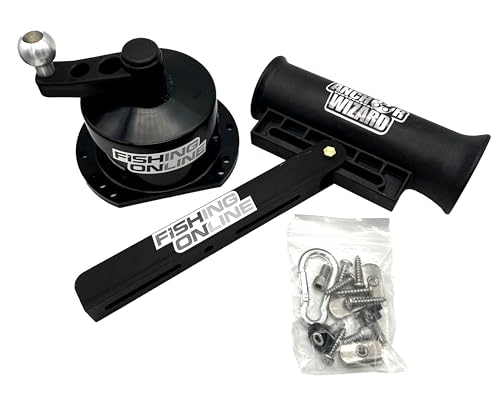
This low-profile anchor system from Fishing Online emphasizes compact design with practical mounting options for track systems and permanent installations. It holds up to 45 feet of 1/8″ anchor line and provides smooth deployment and retraction using a simple handle mechanism. The kit includes hardware for track mounting and permanent mounting, making it a versatile option for kayaks, canoes, or other small craft. The emphasis on ease of use makes it appealing for users who want quick anchoring without complex setup.
Important considerations include the compatibility with your track system, the anchor line length needed for your typical anchoring depth, and the type of anchor weight you expect to deploy. Users should verify that the design supports their preferred water conditions, whether lake, river, or coastal environments, to ensure reliable performance and safety.
Buying Guide: Key Considerations for Selecting a Kayak Anchor System
- Mounting compatibility: Check whether the system is designed for side/deck mounting, track systems, or universal attachment to your kayak model. Ensure the mounting hardware fits your boat’s rails or deck configuration.
- Anchor line length and strength: Consider your typical water depth and current. Longer lines provide more reach but add weight and handling complexity. Look for corrosion-resistant lines and hardware, especially for saltwater use.
- Deployment and retrieval: Prioritize systems with smooth, reliable deployment and friction-free retrieval. Ball bearings or roller mechanisms can reduce resistance and wear.
- One-handed operation: If you often paddle while anchoring, a design that enables one-handed use can enhance safety and efficiency.
- Durability and materials: Stainless steel, carbon steel with coating, and fiberglass-reinforced nylon are common. Choose corrosion-resistant components for longevity in varied water conditions.
- Weight and portability: For multi-day trips or travel, a low-profile, lighter system that stores compactly is advantageous without sacrificing performance.
- Versatility: Some kits offer mounting options that work across kayaks, canoes, SUPs, and small boats. Consider whether you want one system for multiple watercraft.
- Maintenance: Inspect fittings, pins, and lines regularly for wear, rust, and corrosion. Clean and dry components after exposure to water to extend service life.
- Installation effort: Some systems come with comprehensive installation hardware and instructions, while others require additional compatible pieces. Plan for potential extra parts if your kayak requires a non-standard setup.
- Warranty and support: Look for products with clear warranty terms and accessible customer support. This can be valuable for equipment exposed to outdoor environments and frequent use.
In selecting an anchor system, it helps to outline your typical activities—fishing, photography, or simply stabilizing during rests—alongside the water conditions you most often encounter. The right balance of ease of use, reliability, and mounting flexibility will determine which setup best supports your paddling goals.