Air resistance rowing machines offer a responsive, full‑body workout with scalable intensity. The following five models come from trusted brands and provide adjustable resistance, ergonomic design, and easy storage for home gyms. This guide helps you compare key features and decide which rower best fits your space, budget, and fitness goals.
| Product | Brand | Key Benefit |
|---|---|---|
| MERACH Rowing Machines | MERACH | 10‑level air resistance; tall user friendly; full‑body low‑impact |
| Concept2 RowErg | Concept2 | PM5 monitor; wide app compatibility; quiet flywheel |
| Fitvids Air Rowing Machine | Fitvids | 10‑level wind resistance; rotatable LCD; compact storage |
| GMWD Air Rowing Machines | GMWD | 10 levels; silent operation; extended rail for tall users |
| PASYOU Air Rowing Machine | PASYOU | 10 levels; solid 350 lb capacity; foldable |
Choosing an air resistance rower depends on durability, noise, user height, and data tracking. This article reviews five popular options to help you identify a model that aligns with your training style, space, and whether you prefer built‑in monitors or app support. Each product section below highlights core features, the type of rowing experience it delivers, and suitability for different users.
MERACH Rowing Machines For Home

The MERACH model features a full‑body, low‑impact workout with an emphasis on engaging more than 86% of major muscle groups in a 20‑minute session. It uses a 10‑level air resistance system delivering up to 110 lbs of peak resistance, suitable for a wide range of users and training intensities. An extended track and steel construction support users up to 350 lbs, prioritizing safety and comfort. The ergonomic seat and device holder add convenience for longer workouts and media usage during training.
Concept2 RowErg Indoor Rowing Machine
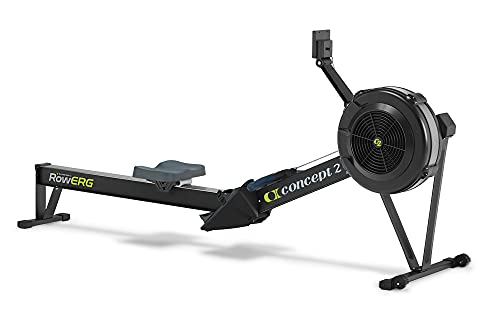
The Concept2 RowErg emphasizes a quiet, smooth ride with an adjustable air resistance system and the PM5 performance monitor. It includes an integrated device holder and is compatible with more than 40 apps. The 14‑inch seat height and adjustable footrests support a broad range of users, while the flywheel design minimizes noise for quieter workouts at home. This model is well‑matched for performance tracking and streaming workouts or competitions.
Fitvids Rowing Machine For Home

Fitvids offers a 10‑level wind resistance system with a rotatable LCD display that provides real‑time metrics. Its design supports a full‑body workout across legs, back, arms, and core, with a comfortable 15‑inch seat height and adjustable pedals. The machine emphasizes data feedback, allowing users to monitor time, distance, and calories as they row, making it suitable for users who want structured, data‑driven sessions.
GMWD Air Rowing Machines

The GMWD model provides 10 adjustable air resistance levels with up to 110 lbs peak resistance and a silent operation profile. Its extended 50‑inch rail supports taller users, up to 350 lbs, delivering comfort and stability during longer sessions. The design focuses on full‑body engagement with a robust frame and ergonomic seating, ideal for home gyms seeking a durable option that minimizes noise and disruption.
PASYOU Air Rowing Machine

The PASYOU PR70 combines a 10‑level resistance range with a foldable design and a 49.5‑inch rail to fit a variety of spaces. It offers a robust 350 lb weight capacity and a quiet, smooth rowing experience designed for both commercial and home use. The machine emphasizes stability with premium frame construction and a comfortable seat, making it suitable for users who value a compact, foldable option without sacrificing performance.
Buying Guide: Key Purchase Considerations And Comparisons
- Resistance range and feel: Air rowers typically offer 8–12 levels. Consider whether you want a broader range for HIIT or a steadier pace for endurance training.
- Weight capacity and rail length: If you are taller or heavier, prioritize extended rails (around 49–50 inches) and higher weight limits (300–350 lbs).
- Seat comfort and ergonomics: Look for ergonomic seats, adjustable footrests, and a comfortable handle grip for long sessions.
- Noise and vibration: Flywheel and bearing quality affect noise. Quieter models are preferable for apartments or shared spaces.
- Monitor and data tracking: Built-in displays vary in size and metrics. PM5 or rotatable LCDs help monitor time, distance, calories, and watts; app compatibility is a plus for guided workouts.
- Storage and footprint: Foldable designs and wheels simplify storage. Consider your room layout and available floor space.
- Warranty and customer support: Check frame, electronics, and parts coverage. A longer warranty indicates better long‑term support.
- Assembly and maintenance: Some models require simple assembly, while others may need more time. Check maintenance needs like lubrication and part replacements.
- Price vs value: Higher upfront cost often aligns with longer rail, heavier load capacity, quieter operation, and advanced monitoring. Balance cost with your intended use.
Across these models, the choice often comes down to space, preferred monitoring options, and whether you want a foldable unit or a sturdier, non‑folding design. For multi‑user households or taller users, look for extended rails, higher weight capacities, and smoother, quieter performance. If data tracking and app integration are priorities, consider models with robust monitors or strong app ecosystems. Each option below offers reliable air resistance with varying strengths to fit different training needs and living environments.